




Description
Jack Herer: A Classic Haze-Line Hybrid
Jack Herer is built from three influential strains: Haze, Northern Lights #5, and Shiva Skunk. Named after the author and cannabis activist Jack Herer, this hybrid emerged in the mid-90s and has since achieved legendary status. To this day, it plays a pivotal role in the creation of new strains, paving the way for fan faves like Cinderella 99 and Jack Flash.
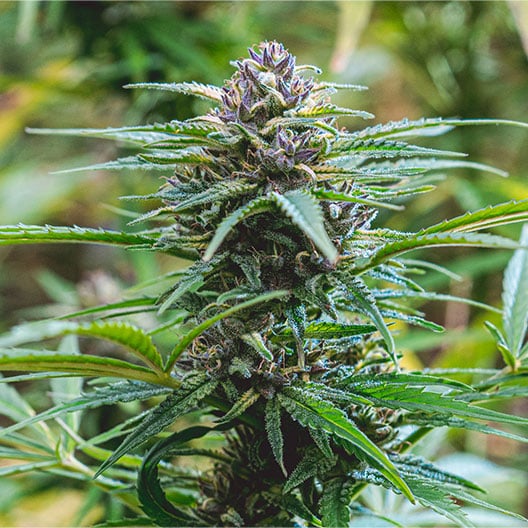
Its Haze influence shows up prominently in its structure: this plant is statuesque with a long, lean branching pattern and elongated buds. Meanwhile, Northern Lights and Shiva Skunk each add density and stability, giving the flowers a slightly chunky appearance.
At 24% THC and 80% sativa, Jack Herer provides a fast-moving, mentally active experience. Filled with clarity and forward momentum, it consistently uplifts the senses. Aromatically, it’s steeped in pine-like notes, citrus rind, and hints of spice that deepen throughout the growing process. Its sharp focus, solid structure, and potent cannabinoid profile are what make Jack Herer seeds a timeless classic.
How to Grow Jack Herer
Jack Herer can be grown by anyone with the right plan. However, its statuesque build is especially well-suited to growers who have some experience under their belt. Below, we’ve compiled some key ways to inspire your Jack Herer plants to thrive, even if you’ve never grown your own cannabis before.
Be mindful of height
As a sativa-rich strain, this strain is statuesque. Jack Herer can reach towering heights of up to ten feet when grown outdoors, although its stretch can be controlled in an indoor setup. Just be mindful that it can spout upward very quickly once the flowering stage begins. Make sure you have plenty of space early on, rather than trying to correct the structure of your plants during the flowering process.
Maintain a consistent structure
Jack Herer develops multiple active flowering sites along its branches. Without structure management techniques like low-stress training or Screen of Green (ScrOG), these sites will inevitably block one another and wind up competing for light. This type of structure can lead to uneven development across the canopy, making it difficult for your crop to reach its full potential. Using low-stress training (LST) and ScrOG can help ensure there is ample space between the branches and help boost even, healthy growth.
Support bud weight
As flowering progresses, the buds plump up and put on significant weight. This is more noticeable in the upper canopy, where light exposure is strongest. Providing physical supports, such as wooden stakes, can help maintain your plants’ posture, ensure the branches don’t bend or snap, and in turn, prevent stress as the colas finish developing.
Yields, Flowering Times, and Harvest
This strain’s flowering time mirrors its speedy high. Jack Herer typically takes just 50-60 days to complete its bloom phase. Indoor yields can reach a hefty 600 grams per square meter under stable conditions, while outdoor harvests typically hover around 550–650 grams per plant.
Aroma and Flavor Profile
Jack Herer’s terpene profile is led by caryophyllene, limonene, and terpinolene. This trio harmonizes to create one of the most recognizable aroma profiles on the cannabis scene today. Fans frequently describe the flavor as complex, layered, and forest-like.
Caryophyllene offers a sharp, peppery base that only intensifies when the buds are broken apart. Limonene adds a flash of citrus, which further intensifies this strain’s mind-brightening vibe. Terpinolene, a rarer terpene, provides Jack Flash with its signature woody, pine-like character. These botanical notes tend to intensify even further when the buds are cured.
Set the Stage for Success
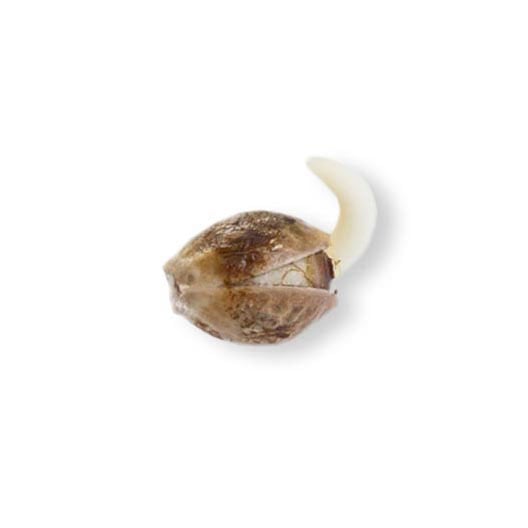
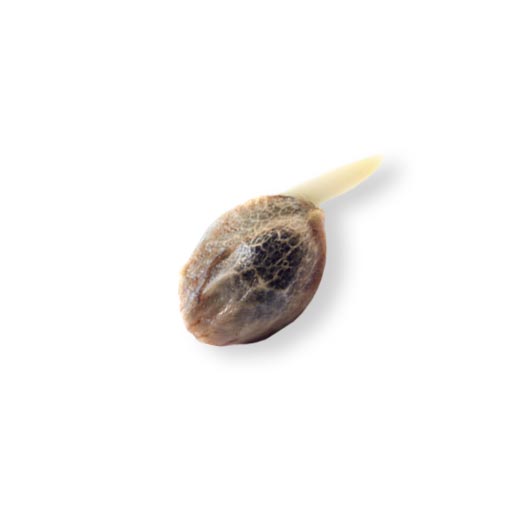
Growers of all skill levels planning to grow Jack Herer seeds have an easy way to kick off the cultivation process like a pro. Designed for cultivators of all skill levels, including first-time growers, our germination method requires just a few household items. Additionally, those who use our technique can cultivate with confidence, knowing their seeds are covered by our germination guarantee.


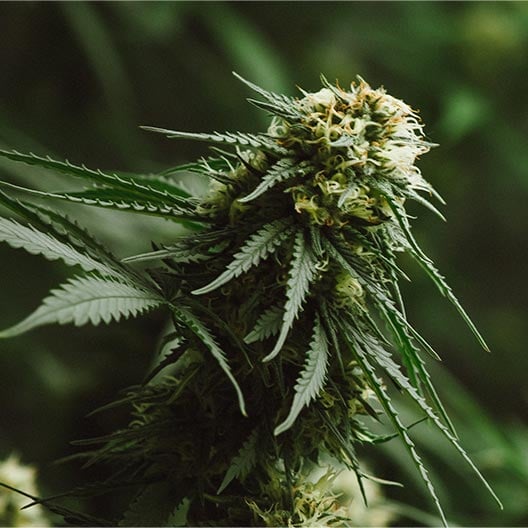

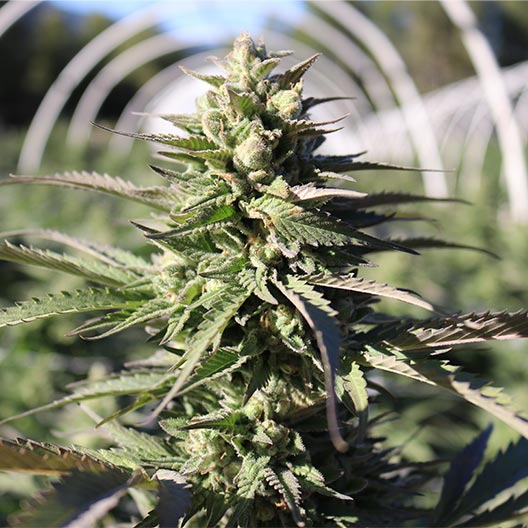


Three grows of Jack Herer, all from different seed sources. The phenotypic variation was real — one was more Haze-dominant and very tall, one was more NL#5-compact and earthier, one was middle-of-the-road. All three produced the signature herbal-pine-citrus aroma and the clear, focused, euphoric daytime effect. The consistency of the character across phenotypic variation is the sign of well-established genetics. Thirty years of selection work shows.
The ‘Haze Factor 100%’ designation from Abstrax’s terpene analysis is worth understanding: it’s a logarithmic scale where 100% means the terpene profile is maximally haze-characteristic, not that there’s literally 100% of something. The practical implication is that Jack Herer sits at the absolute ceiling of haze-characteristic energizing-piney-citrus terpene profiles. No other common strain scores higher on this dimension, which explains why it remains the reference Haze-lineage experience three decades after introduction.
Grew Jack Herer for the first time after years of buying it at dispensaries, and the grow experience confirmed what I’d suspected: this is a strain that rewards the grower who takes it seriously. The tall sativa structure needed training but the genetics handled everything else — no mold issues, no pest problems, heavy trichome development by week nine. The harvest of bright green, frosty buds with orange pistils and that herbal-pine-citrus aroma was one of the more satisfying I’ve had.
The disease and mold resistance of Jack Herer genetics — a quality the Leafwell documentation specifically notes — is a practical cultivation advantage that makes the tall sativa structure more manageable. Not worrying about mold while managing the height is the right order of challenges. The genetics handle one; the grower handles the other. The yield when both are managed well, up to 510g/m² indoor, justifies the attention.
Terpinolene dominant at 34% of the terpene fraction — the highest of any common strain. That concentration explains the Haze quality specifically. The herbal-pine-citrus aromatic character, the clear cerebral energy, the 100% Haze Factor. Same terpene, higher concentration.
There’s a quality of mental organization that Jack Herer produces that other sativa-leaning strains often approximate without achieving. It’s not simply uplifting or simply energizing — it’s clarity. The terpinolene-pinene combination is the terpene mechanism; the NL#5 genetics provide the grounding that keeps the Haze energy from becoming scattered. What arrives is focused and purposeful, the kind of mental state where whatever work is in front of you becomes specifically engaging.
The phenotypic variation in Jack Herer seeds produces two recognizably different expressions: more Haze-dominant phenotypes are taller, more cerebral, and more terpinolene-forward; more NL#5-dominant phenotypes are more compact, more physically grounding, and slightly more earthy. Both are Jack Herer. The variation is a feature of the heirloom genetics rather than a quality control problem. Experienced growers select for the phenotype they want; both expressions produce the signature flavor arc and uplifting effects.
I grew up hearing about Jack Herer from older smokers who talked about it the way people talk about a great album — something from a specific era that defined what good was supposed to sound like. My first time actually experiencing the genetics from seeds confirmed exactly what they meant. The clear-headed, focused, creative, piney-citrus daytime experience is genuinely distinct from modern hybrids, and distinctly better for what it does.
Phenotypic variation: Haze-dominant phenotypes are more cerebral and citrus-forward. NL#5-dominant phenotypes are more grounded and earthy. Shiva Skunk-dominant phenotypes are more resinous and skunky. All three are Jack Herer. All three produce the signature effect. The variation is genetics doing what heirloom genetics do.
The strain is named after the man who wrote the book that changed how people think about cannabis legalization and hemp’s industrial potential. That legacy shows in how seriously the genetics were assembled: Haze for the clear cerebral energy, Northern Lights #5 for the physical grounding, Shiva Skunk for the robust resin production. The result is a sativa-dominant hybrid that feels like it was made for purpose rather than fashion — and has remained in rotation for thirty years because that purpose is consistently well-served.