


Description
Growing Tips for Bubba Kush
Bubba Kush is an easy cultivar to grow, great for beginners. It thrives indoors where you can control the environment, ideally around 68–80°F with 40–50% humidity. Outdoors works too—just aim for a steady Mediterranean-style climate or use a greenhouse. These plants stay short, usually 3–5 feet tall, making them great for closets or balconies. Use topping, LST, or ScrOG to boost yields and manage height. Expect dark green buds and purple leaves. Keep plants under 18–20 hours of light for veg, then switch to 12/12 to trigger flowering.
Yields, Flowering Time, and Harvest
- Flowering Time: Growing indoors, you can expect the Bubba Kush strain to harvest after a flowering period of 60-70 days.
- Yields: While Indoor yields are around 500 grams per square meter, outdoor grows typically produce up to 700 grams per plant. Bubba Kush produces massive yields of high-quality bud that will keep the grower in dank herb for a while.
- Harvest: Outdoor growers can plan on harvesting their yields around the end of October, depending on when the seeds were planted.
Bubba Kush: A Heady Favorite
The Bubba Kush terpene profile is directly responsible for how the plant smells and tastes, and the strong effects it has on its users. The most dominant terpene in this strain is caryophyllene, while myrcene and limonene are the secondary terpenes.
- Caryophyllene: Most Dominant – Spicy and peppery, this terpene can be found in cinnamon, black pepper, cloves, and cannabis.
- Myrcene: Secondary Terpene – The “Mother of all Terpenes”, myrcene gives cannabis its earthy flavor and aroma. Myrcene can be found in several cannabis strains.
- Limonene: Citrus – Found in the rinds of citrus fruits, this terpene is also dominant in cannabis plants, where it helps with anxiety and improves lung function.





Compared with my expectations, the grow was less demanding and the finished buds were denser. Looking back, I liked that the coffee-and-earth aroma became more appealing after curing. When the branches became fuller, the side growth began pressing inward, without making the whole routine difficult.
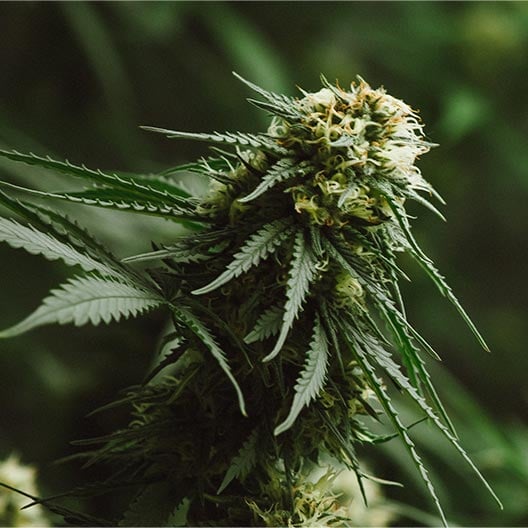
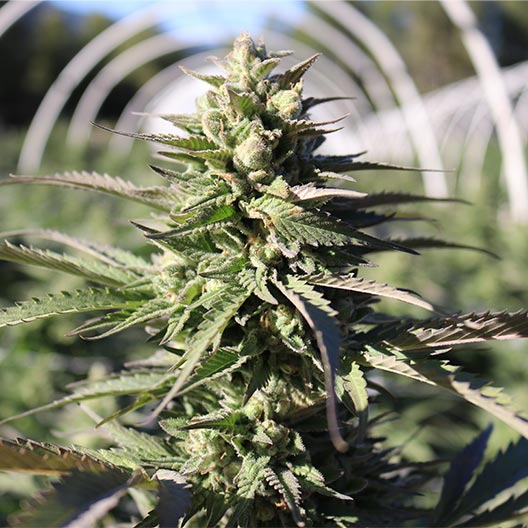
Buds finished dense and frosty, with dark green color and occasional purple showing underneath. The grow left me thinking about how a simple routine suited the plant better than constant fussing.
Compact growth made this one easy to monitor and gave the whole run a tidy feel. Once the canopy filled in, the center became noticeably dense, but the plant remained easy to inspect.
Watching frost build across the flowers made the later stage especially satisfying. My main takeaway was that the modest height made the full canopy more impressive. From the jar, earthiness came through before the sweeter notes, followed by a subtle chocolate-like note.
While flowering progressed, the darkest leaves made the bright resin stand out beautifully. Once the canopy filled in, the side growth began pressing inward, without making the whole routine difficult. A subtle chocolate-like sweetness sat behind the heavier earthy and coffee character. Looking back, I liked that a simple routine suited the plant better than constant fussing.
Managing the bushier middle took a little patience, but the rest of the grow felt relaxed. After the last trim, the flower clusters looked dense and neatly formed, while the compact shape held together well. When I checked the cured buds, earthiness came through before the sweeter notes, followed by a subtle chocolate-like note.
Because the plant stayed compact, daily checks felt quick and uncomplicated throughout the run. Toward the later stretch, the center became noticeably dense, and regular visual checks were enough. At harvest, the buds looked dark green and heavily frosted, and the trimmed shape looked especially clean.
Watching a squat little plant turn into a dense canopy was surprisingly rewarding. As flowering progressed, the center became noticeably dense, yet the overall routine stayed simple.
Near harvest, the flowers looked dense and frosty with darker color showing through the green. The final trim revealed sticky compact flowers with plenty of visible frost.
Harvest day was satisfying because the flowers felt dense, sticky, and nicely finished. The part I appreciated most was that the grow stayed predictable despite a few small learning moments. Near the end of flowering, the buds had a dark polished look under visible resin, with the darker color making the frost stand out. A mild peppery edge showed behind the coffee and wood, giving the aroma a little extra bite. The finished flower came across unhurried and flavorful, with pine and coffee staying present through the finish.