


Description
Growing Tips for Blueberry CBD
Blueberry CBD can be difficult to grow if you don’t have any prior experience in cannabis cultivation. Blueberry CBD marijuana plants will thrive both indoors and outdoors, but have an easier time growing indoors because of the grower’s ability to control the climate. If you choose to grow indoors, you will have to replicate a steady environment similar to the climate of California in the summer, which is where the original Blueberry strain was first bred.
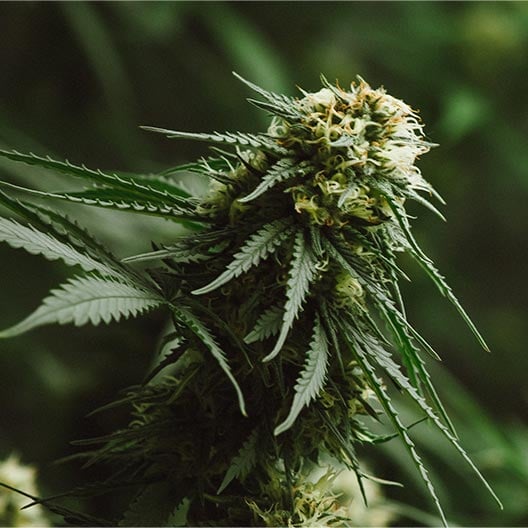
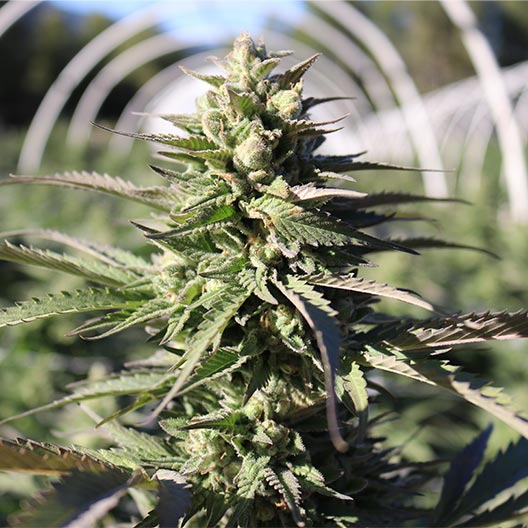
Blueberry CBD produces plants that are pale green and covered in bright orange pistils. The strain is incredibly sticky and is difficult to break up with your fingers because of its resinous trichomes. If you are going to grow outdoors, you will need to maintain a consistent temperature and humidity to get these plants to harvest.
Having access to a greenhouse is the best way to give these plants the perfect outdoor climate they require without having to put up with unexpected outdoor variables. These plants grow medium height and can reach around 4 feet tall when grown correctly. Because of the size of these plants, you can grow them in a variety of different smaller grow setups.
The ideal temperature for these plants is around 70-80 degrees Fahrenheit. Humidity levels should be kept at 40-70% during the vegetative growth stage and the flowering stage. Growing indoors will ensure that the moderate humidity levels and temperature are maintained every day that the plants are in the growing stages.
Low-stress training (LST) and topping are the best training techniques for this specific strain. Each of these methods will adjust the plant’s height so that they are more manageable. They will also adjust the canopy so that more light and air reach the bottom levels of the plants. The Blueberry CBD strain requires an 18-20 hour light cycle to reach the vegetative stage of growth. Altering the light cycle to be a 12/12 cycle will induce the flowering stage and get you to your harvest.
Yields, Flowering Time, and Harvest
- Flowering Time: Growing indoors, you can expect the Blueberry CBD strain to harvest after a short flowering period of 55-65 days.
- Yields: While Indoor yields are around 500 grams per square meter, outdoor grows typically produce up to 650 grams per plant. These plants produce massive buds that are dank and dense. With hefty yields coming from both indoor and outdoor grows, this strain is one of the top choices for CBD cannabis cultivars in the entire world.
- Harvest: Outdoor growers can plan on harvesting their yields around the beginning of October, depending on when the seeds were planted.
Blueberry CBD: High CBD Blueberry
The Blueberry CBD terpene profile is directly responsible for how the plant smells and tastes, and the strong effects it has on its users. The most dominant terpene in this strain is caryophyllene, while myrcene, pinene, and humulene are the secondary terpenes.
- Caryophyllene: Most Dominant – Spicy and peppery, this terpene is found in cinnamon and black pepper as well as some cannabis cultivars.
- Myrcene: Secondary Terpene – The “Mother of all Terpenes”, myrcene gives cannabis its earthy flavor and aroma. Myrcene can be found in several cannabis strains.
- Pinene: Pine Needles – Found in cannabis plants as well as pine needles and conifer trees, this terpene is responsible for the strain’s pine-like notes.
- Humulene: Earthy and Hoppy – Humulene is most commonly found in cannabis plants and beer with high hop contents. It gives cannabis an earthy flavor and aroma.
FAQs
Is Blueberry CBD worth smoking?
Definitely – smoking cbd flower is a great way to experience the relaxing effects of CBD without the THC.
Can I get a buzz from Blueberry CBD?
While CBD flower does not produce any sort of high or buzz, there is some THC in Blueberry CBD – but it’s not a heavy high.





Compact growth kept the grow pleasantly orderly even when I made a few small adjustments along the way. A minor slowdown never took away from the positive overall experience. The fully settled flower felt more even and smelled noticeably more rounded.
Cure brought the texture, scent, and flavor together in a way I appreciated.
Buds became the visual highlight of the run once the resin started showing clearly. In my notes, I felt the finished flower justified the patience I put into the project. The final flavor came across smooth, fruity, and lightly earthy.
Reliable vigor gave the whole run an uncomplicated rhythm that suited my laid-back growing style. The final sample gave the whole project a satisfying ending for me. A fresh berry impression gave the finished flower a distinct personality without being aggressive.
Curious aroma made the grow memorable once the sweeter berry notes started showing up around the flowers. Near harvest, the flowers looked attractive in a clean, understated way. A fresh berry impression leaned fruity with a mild earthy edge behind it. The fully settled flower became more pleasant to handle and eventually sample. The cured result stayed pleasant and balanced rather than overly sweet.
Frosty flowers gave the plant a memorable late-flower look without making the grow feel demanding. By the end of the run, I liked that the grow never felt like a constant problem-solving exercise. An uncertain first impression gave the grow a little personality without causing much trouble. Once flowering was established, the tops held a tidy shape that made cleanup satisfying. A gentle sweetness shifted from fresh and leafy toward a sweeter berry character.
Consistent progress turned routine care into a pretty relaxed experience, with the plant staying readable and cooperative. A slightly uneven start settled once I stopped reacting to every little change. When the plant really filled in, the buds held a tidy shape that made cleanup satisfying. The fragrance felt natural rather than candy-like, which I appreciated. The jarred flower kept an attractive appearance while the aroma softened nicely. The overall use experience left a soft fruit note that lingered pleasantly.
Vigor remained noticeable without turning the growth into something wild or difficult. Toward the finish, the flower gave the final plant a neat, mature appearance. The earthy side of the aroma became rounder and less green once the flower had settled. The mature flower felt properly finished instead of fresh and raw. The finished sample had enough earthiness to keep the berry side from feeling syrupy.
Frosty flowers made the flowering stage genuinely fun to watch, especially as the buds became more eye-catching. Looking back, I found the steady pace more appealing than anything flashy. A temporary imbalance worked itself out as the plant matured. Toward the finish, the flower showed enough color variation to keep the plant visually interesting. The earthy side of the aroma showed up gradually and became easier to notice near the finish.
Balance became more obvious late in the run when the flower filled out evenly across the plant. The final sample stood out mostly for its smoothness and gentle berry character. Closer to harvest, the flowers picked up attractive color and a clean resinous finish.