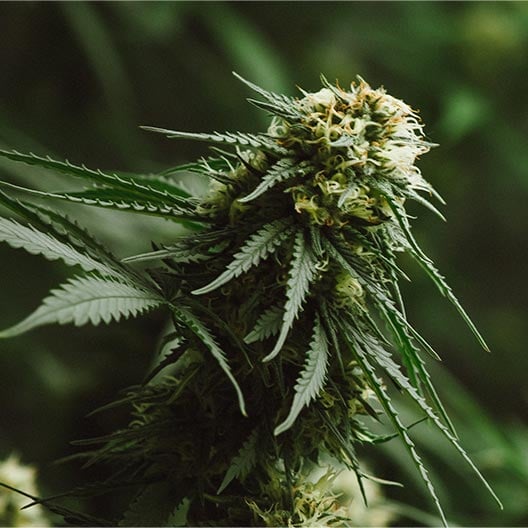
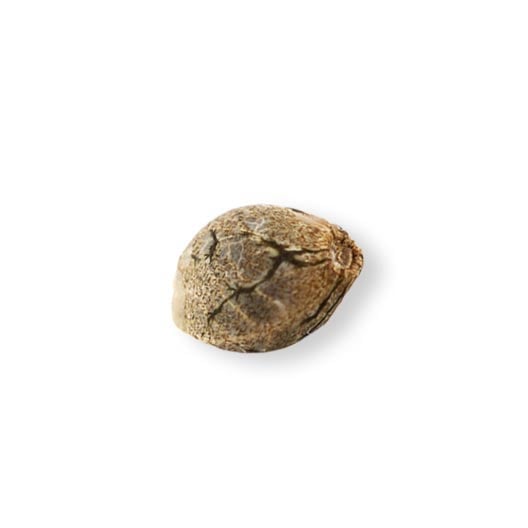
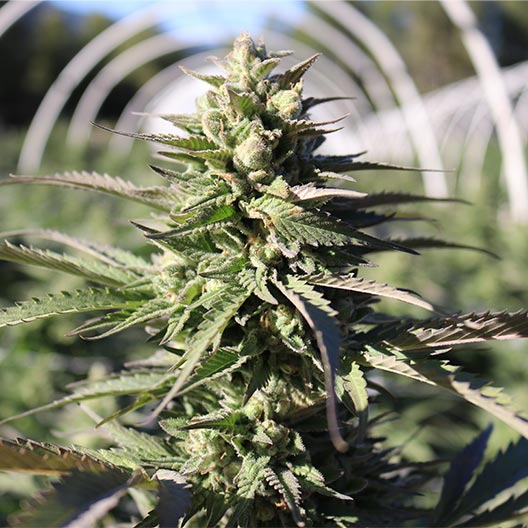
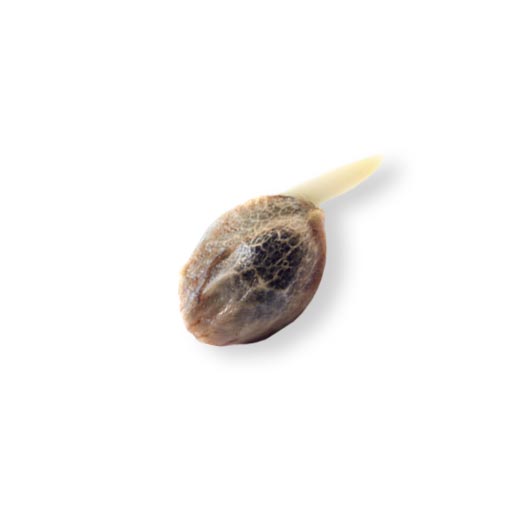
Every grower dreams of that massive harvest, and some of the highest yielding cannabis strains can totally deliver. You’ve probably heard of the legends, like the Haze, Skunk, and Kush families, and they’re famous for a reason. These plants can pump out huge, dense buds, but only if you give them what they need. Your final haul always comes down to a partnership: great genetics and solid growing skills.
What Exactly Are High Yield Cannabis Strains?
So, what does “high yield” really mean when we talk about cannabis? It’s not just a vague term for a big plant. For growers, yield is a real measurement of dried, cured flower. Getting specific with these numbers helps us compare strains, set realistic goals, and fine tune our techniques.
There are two standard ways to talk about yield, and it usually depends on where you’re growing:
- Indoors: We almost always measure in grams per square meter (g/m²). This is a great metric because it tells you how much flower you can produce in a defined space, making it perfect for planning out a grow tent or a dedicated room.
- Outdoors: Here, it’s all about grams per plant. Since outdoor plants aren’t confined by walls and can stretch out to become massive, measuring the output of each individual plant makes the most sense.
Think of a strain’s genetics as the blueprint for a skyscraper. Some cultivars are just genetically wired to be heavyweights from the get go, with the built in instructions to stack on weight and develop enormous colas. This genetic code sets the absolute maximum yield that a plant is capable of.
The Grower’s Role in Big Yields
But here’s the thing: genetics are only half the story. Your skill as a grower is what actually brings that blueprint to life. You could have the best seeds on the planet, but they won’t come close to their potential without the right environment and a little care.
A plant’s genetics set the ceiling for its potential yield, but the grower’s technique is what determines how close the plant gets to that ceiling. It’s a true partnership between nature and nurture.
For example, a seed bank might list a strain with a potential indoor yield of 600g/m². An experienced grower with a perfectly dialed in setup might actually hit that mark. A first timer, on the other hand, might only pull half of that from the same seeds. The key is understanding that you are the one who unlocks that harvest potential. It’s all about giving the plant exactly what it needs to flourish.
This table shows what separates a good harvest from a truly great one by comparing typical yield metrics for different growing styles.
Comparing High Yield Potential Across Grows
| Growth Factor | Average Yield Range | High Yield Target | Key Influencer |
|---|---|---|---|
| Indoor (per plant) | 30 – 80 grams | 100+ grams | Lighting & Training |
| Indoor (per area) | 300 – 500 g/m² | 600+ g/m² | Canopy Management |
| Outdoor (per plant) | 150 – 500 grams | 700+ grams | Sunlight & Soil Volume |
| Autoflower (any) | 50 – 150 g/plant | 200+ g/plant | Genetics & Container Size |
As you can see, the environment and your approach play a huge role. This guide will walk you through exactly how to push those numbers higher, starting with picking the right seeds for the job.
Why Genetics Are Your Most Important Choice
Before you ever plug in a light or mix nutrients, the most critical decision for a massive harvest has already been made: the seeds you choose. Think of a plant’s genetics as its blueprint. That tiny seed holds the ultimate potential for everything from its final height and structure to the density and weight of its buds.
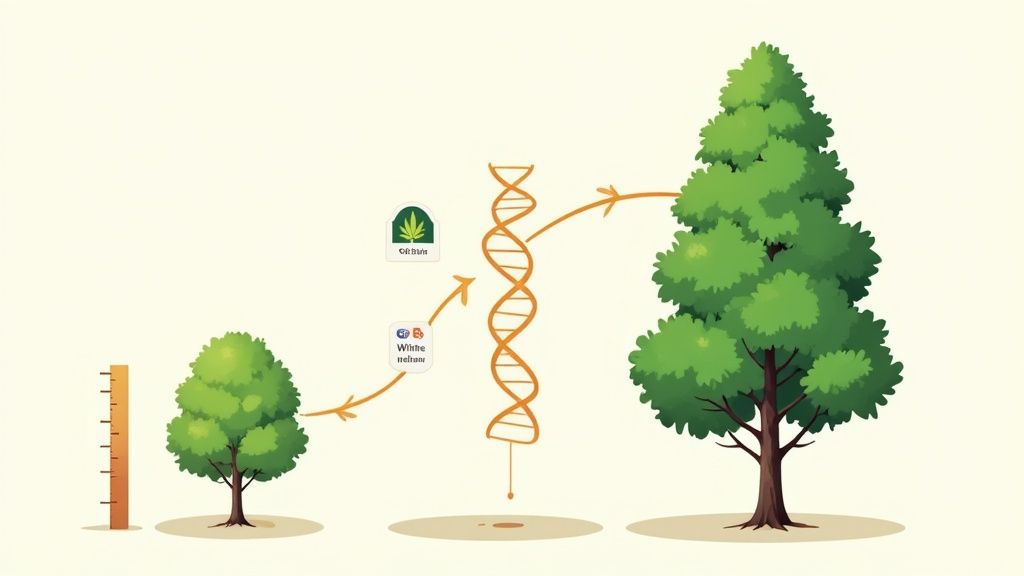
You can have the best setup in the world, but you can’t push a plant past the limits written into its DNA. Some strains are simply bred to be heavyweights, honed over generations to produce monster yields. Starting with genetics known for their production is the single best way to set yourself up for success.
Indica vs Sativa for Maximum Yield
When you’re hunting for the highest yielding cannabis strains, the Indica versus Sativa conversation is more relevant than ever. Their growth patterns are night and day, which directly impacts how much they can produce in your specific grow space.
- Indica dominant strains tend to be compact and bushy. Their classic Christmas tree shape is perfect for indoor growers who are tight on vertical space. They pack on weight through incredibly dense buds, making them efficient producers in a controlled environment.
- Sativa dominant strains are the exact opposite. They love to stretch and reach for the sky. Give them room to run outdoors, and they can grow into literal trees, rewarding you with colossal harvests that are simply not possible indoors.
The choice between Indica and Sativa often comes down to your growing environment. Indicas are masters of efficiency in contained spaces, while Sativas are the undisputed champions of raw outdoor production.
A pure Sativa like Neville’s Haze is a perfect example of this trade off. It requires serious patience, with a flowering time that can stretch up to 14 weeks. But for those who wait, the reward is staggering. Yields can hit 700 grams per square meter indoors. You can find more details on this balance between yield and flowering time over at zamnesia.com. This is the kind of patience that pays off big time.
Famous High Yielding Families
In the world of cannabis, some family trees are legendary for their sheer output. When you see one of these names in a strain’s lineage, it’s a great indicator that you’re looking at a plant with the genetic horsepower for a huge harvest.
Chances are, you know these names well:
- OG Kush: Famous for its rock solid, golf ball sized nugs and consistently heavy yields.
- Haze: The genetic backbone for countless Sativas known for producing massive, spear like colas.
- White Widow: This frosty hybrid isn’t just a pretty face; it’s a reliable workhorse that pumps out impressive harvests.
Starting with a strain from one of these powerhouse families is like getting a head start in the race. Here at Pacific Seed Bank, we stick to feminized and autoflower seeds, so you can tap into these incredible genetics without ever having to worry about male plants. Getting the fundamentals right from the beginning is the key to a bountiful garden.
How Your Grow Environment Impacts Your Harvest
Think of genetics as the blueprint for your plant’s potential. Your grow space is the construction site where that potential gets built into reality. A dialed in environment can coax a heavy harvest from an average strain, while a poor setup can cripple even the most legendary high yielders. Mastering your grow space is how you turn that genetic code into a mountain of top shelf buds.
The first and biggest decision you’ll make is where to grow: indoors or outdoors. Each path has its own set of rules, benefits, and challenges. The right choice really boils down to your personal goals, your climate, and the resources you have available.
Indoor Growing: The Controlled Approach
Growing indoors is all about becoming the master of your plant’s universe. You are the sun, the wind, and the rain. You set the perfect light schedule down to the minute, maintain ideal temperature and humidity, and build a fortress against pests and unpredictable weather.
This absolute control is the key to consistency. Once you’ve perfected your setup, you can replicate amazing results harvest after harvest. For anyone who obsesses over precision and wants to produce top shelf flower every single time, growing indoors is the undisputed champion.
Outdoor Growing: Embracing Nature’s Power
When you take your grow outdoors, you gain an unbeatable ally: the sun. No artificial light, no matter how powerful or expensive, can truly replicate the sheer intensity and full spectrum energy of the sun. Plants basking in direct sunlight can grow into absolute monsters, and if you have the space, the potential for a single plant to produce a gigantic yield is off the charts.
Of course, this power comes with a trade off. You’re completely at the mercy of Mother Nature. A surprise hailstorm, a brutal heatwave, or an invasion of pests can throw a wrench in your plans overnight. It’s a bit of a gamble, sure, but the payoff can be absolutely massive.
Whether you’re in a high tech tent or out in the backyard, the goal is the same. Your job is to create a stable, stress free home where your plant can pour every ounce of its energy into producing dense, heavy, trichome covered flowers.
Some strains are just born for the controlled life indoors. A perfect example is Royal Moby, a legendary cross of Haze and White Widow that absolutely dominates a tent setup. This beast can churn out an incredible 19 to 21 ounces per square meter (540 to 595 g/m²) after just 9 to 10 weeks of flowering. It’s a no brainer for growers who need big results without a long wait. You can learn more about how elite genetics perform in controlled settings to see what’s possible.
The Essential Elements for Any Grow
No matter which path you choose, a few fundamentals are completely non negotiable if you’re serious about getting a huge harvest. These are the core building blocks for every single grow, every single time.
- Plenty of Root Space: Don’t suffocate your plant’s potential. Bigger pots allow for a bigger root system, and the roots are the engine that fuels all that growth and bud production. Sticking a potentially massive plant in a tiny pot is one of the quickest ways to guarantee a disappointing yield.
- Good Airflow: Your plants need to breathe. Stale, humid air is an open invitation for mold, mildew, and other nasty problems. Even a simple oscillating fan can work wonders by strengthening stems and circulating fresh air, keeping your plants healthy and ready to produce.
Nailing these basics creates the foundation for a truly epic harvest. It ensures your plants are strong, healthy, and capable of supporting the massive weight of the buds you’re aiming for.
Simple Training Techniques to Maximize Yield
So, you’ve nailed down some killer genetics and have your grow space dialed in. Now for the really fun part. This is where you, the grower, get to actively shape your plant’s destiny and guide it toward a truly massive harvest. Think of yourself as a personal trainer for your plants. You’re encouraging them to build the perfect structure to support heavy, dense buds.
These aren’t some kind of secret, complicated techniques only the pros know. They’re straightforward, proven methods that just flat out work. By gently manipulating how your plant grows, you can make a huge difference in its final weight. It’s the gap between just letting a plant grow on its own and actively helping it achieve its absolute peak potential.
This flow chart breaks down the three core pillars of any successful grow: your skills as a cultivator build directly on the foundation laid by genetics and environment.
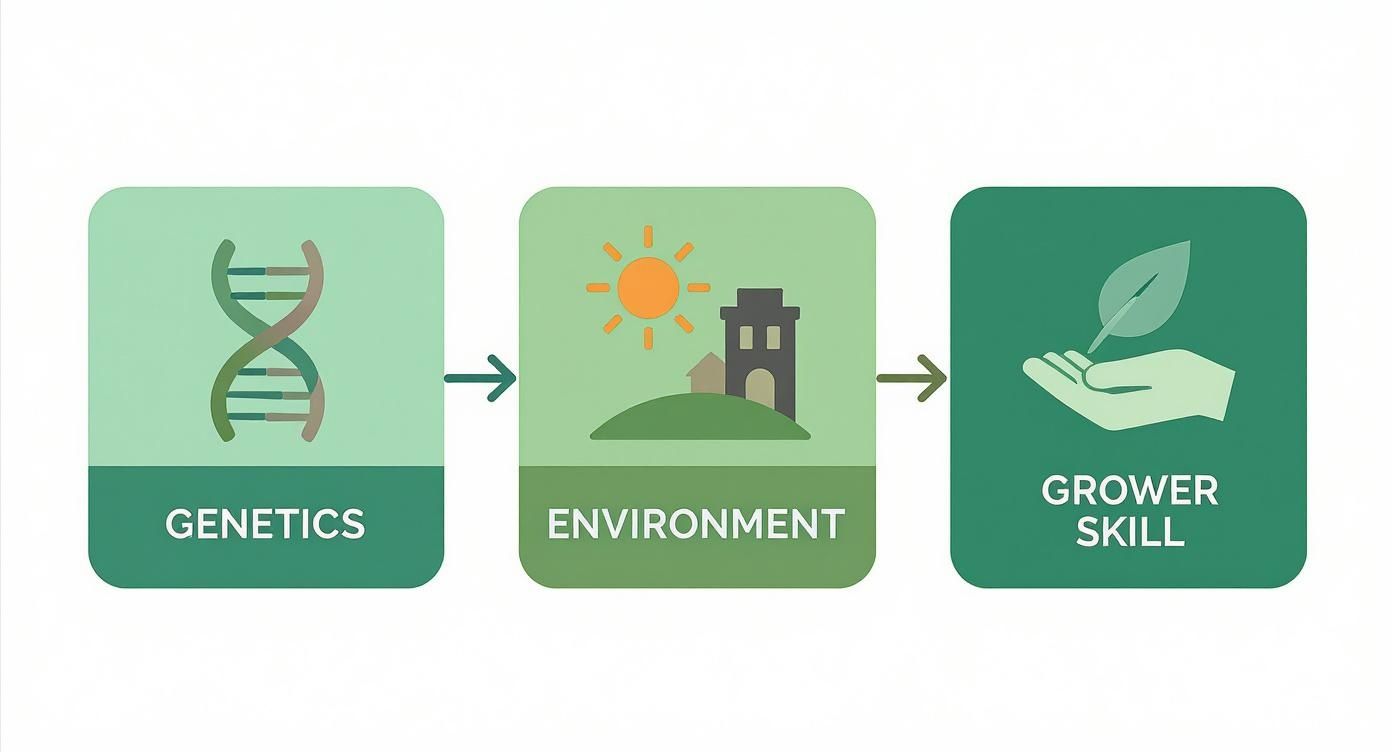
As you can see, your hands on involvement is that final, critical piece of the puzzle that unlocks the biggest possible yields. Let’s look at a few simple techniques that will get you there.
Low Stress Training (LST)
Low Stress Training, or LST as it’s commonly known, is easily the most beginner friendly technique you can learn, and it’s incredibly effective. The whole idea is to gently bend and tie down the main stem and side branches while the plant is still young and flexible. Doing this breaks the plant’s natural tendency to shoot one dominant stalk straight up towards the light.
Instead of a single main cola hogging all the energy, LST encourages a wide, flat canopy where dozens of smaller bud sites get exposed to direct light. More light equals more energy, and that translates directly into bigger, denser buds across the entire plant. You’re essentially tricking the plant into thinking it has multiple main stems instead of just one.
Topping Your Plants
Topping is a bit more direct than LST, but don’t let that intimidate you. It’s still super simple. It really just involves making one strategic snip. Once your plant has grown a few nodes (sets of leaves), you simply cut off the very top of the main stem. It might feel a little harsh, but the plant’s response is amazing: it splits that single growth point into two brand new main stems.
Let those two new stems grow out a bit, and you can even top them again, turning two into four. This one small action encourages the plant to grow bushy and wide rather than tall and lanky. The result? Multiple main colas instead of just one, which is a massive win for your final harvest weight.
Training techniques like LST and topping are all about one thing: creating an even canopy where every bud site gets a chance to soak up a ton of light. More light exposure directly fuels bigger yields.
Screen of Green (SCROG)
The Screen of Green, or SCROG, method takes the core ideas behind LST and topping and cranks them up a notch. For this technique, you place a screen or trellis net over your plants during their vegetative stage. As the stems grow up through the screen, you gently tuck and weave them back underneath it.
This process forces the plant to spread its growth horizontally, creating an unbelievably flat and even canopy. Every single square inch of your grow space becomes prime real estate for bud development. When you finally flip the lights to flower, you get a gorgeous, uniform sea of colas, all sitting at the same height and receiving the same intense light. This is how you truly maximize the output from some of the highest yielding cannabis strains.
Feminized vs. Autoflower Seeds for Yield
So, which type of seed is the secret to a massive harvest: feminized or autoflower? We get this question all the time at Pacific Seed Bank, and the real answer is… it depends. It’s all about what you’re trying to achieve, the space you’re working with, and your timeline.
Both seed types can produce some of the highest yielding cannabis strains out there, but they take completely different roads to get to that heavy harvest. There’s no single right answer, just the one that’s right for your setup. Let’s look into what makes each one tick.
The Power of Photoperiod Feminized Seeds
When you picture a gigantic, Christmas tree sized cannabis plant, you’re almost certainly thinking of one grown from a feminized photoperiod seed. For growers laser focused on getting the absolute most out of a single plant, these are the traditional go to. Their biggest strength? You’re in the driver’s seat.
Photoperiod plants will keep growing bigger and bigger in the vegetative stage as long as you give them more than 12 hours of light a day. This gives you the freedom to let them veg for weeks, or even months. You can use that time to train them into sprawling, multi cola bushes before you flip the lights to trigger flowering. Simply put, more veg time means a bigger plant, and a bigger plant has the potential for a much bigger harvest.
For growers with the space and patience to spare, feminized photoperiod strains offer the highest possible yield ceiling from a single plant. You get to call the shots on how massive it gets before it starts budding.
The Speed and Efficiency of Autoflowers
Autoflowers play by a totally different set of rules. Their name gives it away: they flip into flower automatically based on age, not how much light they get. This built in genetic timer is their superpower, allowing most autos to race from seed to harvest in a mind boggling 8 to 10 weeks.
Now, a single autoflower plant won’t typically yield as much as a feminized plant that’s been vegging for two months. But their incredible speed is where their high yield potential truly shines. Because they finish so fast, you can squeeze multiple harvests into the time it takes to grow a single photoperiod crop. A savvy indoor grower could run four or even five auto cycles a year. When you add up the total weight from all those quick turnarounds, autoflowers become a serious powerhouse for annual yield. They are all about speed, consistency, and getting to the next harvest.
A straightforward comparison can help you decide which seed type best fits your yield goals and growing style.
Comparing Feminized and Autoflower Yields
| Feature | Feminized Photoperiod Seeds | Autoflower Seeds |
|---|---|---|
| Yield per Plant | Potentially massive; controlled by veg time. | Moderate; genetically limited size. |
| Time to Harvest | Longer (3-6+ months) | Extremely fast (8-10 weeks) |
| Control | Full control over the vegetative stage. | No control; flowers automatically. |
| Best For… | Maximizing a single plant’s potential. | Multiple, rapid harvests per year. |
| Training | Ideal for high-stress and low-stress training. | Best with low-stress training (LST) only. |
| Ideal Grower | Patient growers with ample space. | Growers seeking speed and efficiency. |
Ultimately, feminized seeds offer the biggest potential reward from a single plant, while autoflowers offer a higher overall yield throughout the year due to their rapid, repeating cycles. Your choice depends on whether you prefer to play the long game for a massive single prize or run a series of quick sprints for a cumulative victory.
Finding Your High-Yielding Cultivar with Us
Ready to translate all this knowledge into a real world grow? Finding the perfect high yielding seeds on our site is straightforward. We designed our shop to help you skip the guesswork and get right to the cultivars known for monster harvests.
Just use our filter system. Head over to the main seed page, find the “Yield” filter, and select ‘High Yield’. The page will instantly reload, showing you a curated list of all our strains that have a reputation for producing seriously impressive results.
A Look at Our Heavy Hitters
We’ve got a deep catalog of amazing options, but some strains have built a legendary reputation among growers for a reason. These are the cultivars that consistently deliver jaw dropping harvests.
For instance, a strain like Dos Si Dos is a powerhouse, capable of producing an incredible indoor yield of up to 700 grams per square meter (g/m²). Other market leaders like Shiskaberry and Blue Gelato 41 are right up there, routinely pushing between 600-700 g/m² indoors. To see what the top tier of cultivation looks like, you can explore more about these industry-leading strains and their incredible yields.
Your Grow Is Guaranteed
We know that buying seeds is more than just a purchase; it’s the start of a months long project. You’re investing your time, energy, and passion, and you deserve to feel confident from day one. That’s why we stand behind every single seed we sell.
Your success is our success. We want you to feel totally supported from the moment you choose your seeds to the day you’re weighing your harvest.
Every single order is backed by our germination guarantee. As long as you follow our simple, proven germination guide, we promise your seeds will pop. If for some reason they don’t, we’ll replace them. This peace of mind lets you focus on what really matters: cultivating some of the highest yielding cannabis you can get your hands on.
Common Questions About High Yield Strains
Let’s wrap up by tackling some of the most frequent questions we hear from growers aiming for a bigger harvest. Think of this as a quick hit FAQ to help you avoid common pitfalls and head into your next grow cycle with confidence.
Which Strain Genetics Are Best for High Yields?
When you’re on the hunt for a heavy hitter, you can’t go wrong by looking for strains with legendary producers in their family tree. I’m talking about the classics, the lineages of Haze, White Widow, Northern Lights, or Skunk. These genetic lines are famous for a reason; they consistently produce vigorous plants with fat, dense colas.
As you browse our seed bank, use the ‘high yield’ filter to narrow down your options instantly. It’s also a good idea to check out the product pages for details on a strain’s parentage. That little bit of background info can tell you a lot about its potential to be one of the highest yielding cannabis strains out there.
What Is the Biggest Mistake Growers Make That Kills Yield?
It might sound too simple, but one of the most common yield killers is using pots that are too small. It’s a classic rookie mistake. If the roots don’t have space to stretch out and build a strong foundation, the plant above ground will be stunted. No way around it.
The other big one is getting the lighting wrong. This could be anything from using a weak light that just doesn’t have the horsepower, to hanging a powerful light too far from the canopy. Your plants need both ample root space and intense, properly positioned light to really pack on weight.
The two quickest ways to a disappointing harvest are cramped roots and weak light. Give your plants the space and energy they need to thrive, and they’ll reward you.
Can I Really Get a Big Harvest from an Autoflower?
Absolutely. Don’t let the old myths fool you. While a single autoflower plant might not get as monstrous as a giant outdoor photoperiod, their real advantage is speed, which translates to impressive cumulative harvests.
You can often pull off two, sometimes even three, complete autoflower harvests in the same amount of time it takes to finish a single photoperiod run. When you do the math, your total yield over the course of a year can be massive. On top of that, modern autoflower genetics are miles ahead of where they were, with many new varieties bred specifically for fantastic yields.
Ready to start your journey toward a massive harvest? At Pacific Seed Bank, we have a huge selection of the highest yielding cannabis strains available as autoflower and feminized seeds. Explore our collection of high-yield seeds and find the perfect genetics for your grow.