Cannabis flowers emerge after months of thoughtful work. While the bloom phase can be a particularly eye-catching part of the growing process, some of the challenges that pop up during this stage can be difficult to spot.
Botrytis blight—better known as bud rot—is one such example. This crop disease is caused by Botrytis cinerea, a fungus that attacks cannabis flowers, as well as other types of plants. A type of gray mold, it can spread within the interior of a cannabis flower before reaching the surface. It also moves rapidly, sometimes killing plant tissue in as little as one week, especially when conditions favor disease development (Ocamb & Osterbauer, 2026). But because its signs can be subtle, especially at first, bud rot is also surprisingly easy to miss.
In this guide, we’ll discuss how to catch bud rot before it does major damage. Typically, stopping this plant-eating mold in its tracks involves familiarity with what each stage looks like, how to distinguish it from other plant infections (like powdery mildew), and knowing how to avoid some common risk factors.
What Is Bud Rot?
Bud rot occurs when a plant is infected with Botrytis cinerea. This gray mold doesn’t discriminate when it comes to wrecking plants: it wreaks havoc on grapes, strawberries, raspberries, and certain vegetables as well. Botrytis cinerea spores are also airborne—but simply landing on the surface of a marijuana plant isn’t enough to cause an infection alone.
Rather, it requires specific conditions in order to colonize. These include wounded or dying plant material, such as a trapped sugar leaf, a fading bract, or even damage from the local caterpillars. While plant damage is a magnet for bud rot all on its own, liquid water, such as raindrops or condensation, only compounds the danger.
If Botrytis cinerea settles on your plant while one or both of these situations occur, it will begin killing plant cells and colonizing the dead or dying material. Unfortunately, most of this occurs out of sight—bud rot has a knack for working from the inside out. If left unchecked, this process will ultimately lead to buds with a soft, crumbly center, despite little outward damage.
What Does Bud Rot Weed Look Like? (Stage by Stage)
Even though bud rot begins beneath the surface of the flowers, it will eventually spread to the exterior. By this point, you’ll begin to see some clear, visual signs. Below, we’ll cover some of the biggest tells, what they each mean, and where applicable, what to do next.
Early-stage Bud Rot Pictures
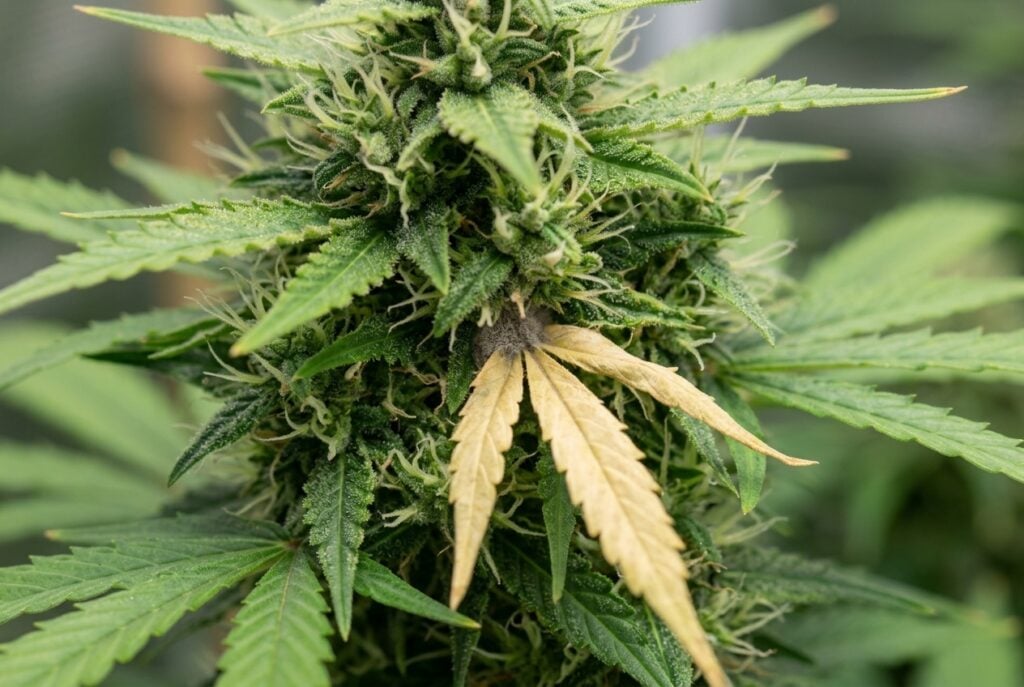
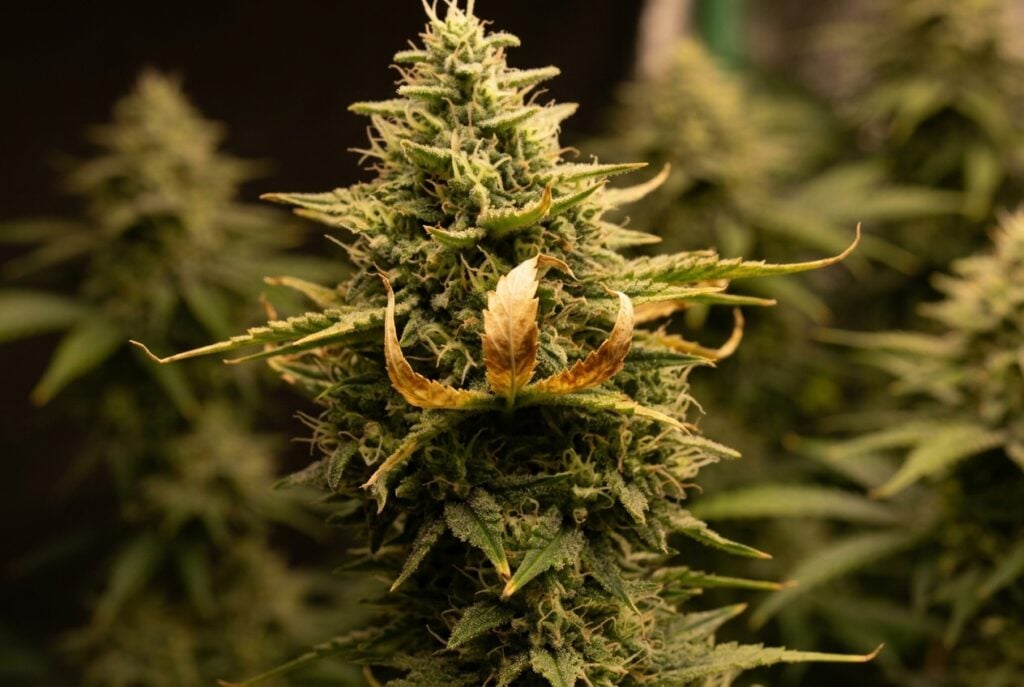
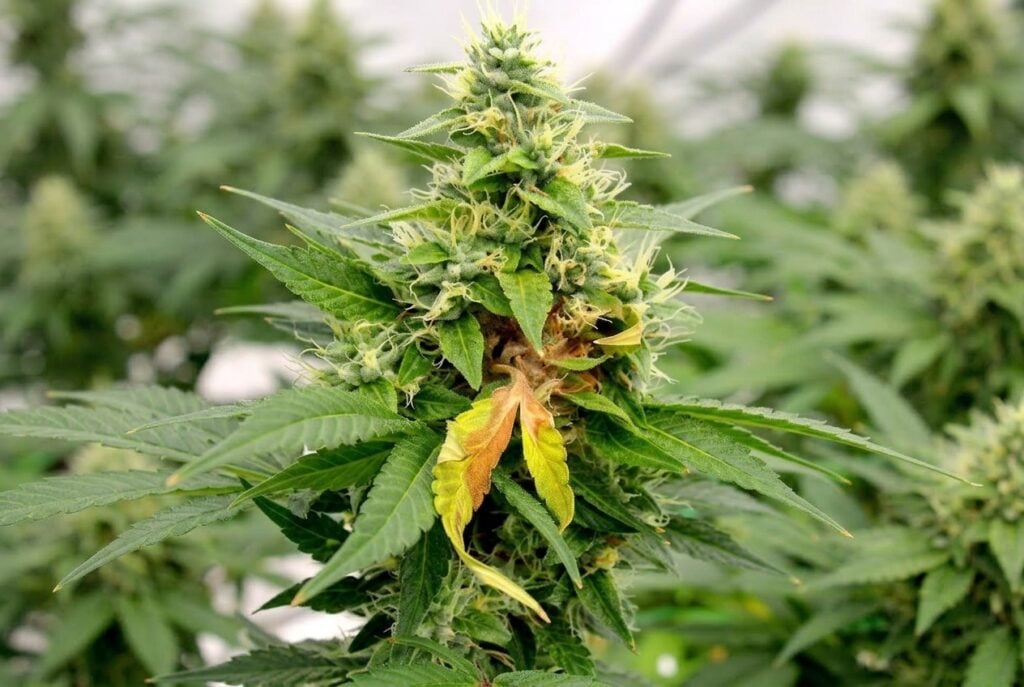
Early Stage Bud Rot: What to Look for First
The first obvious sign of bud rot is usually a single, wilted sugar leaf poking out of the cola. It may have a yellowish hue in comparison to the surrounding foliage, and if pulled, will detach effortlessly from the bud itself. It may also have gray, fuzzy wisps at its base. Also known as mycelium, this material will typically only become visible once the cola is gently opened.
The good news? At this stage, it’s usually possible to save the rest of your plant. (We’ll cover more on that below.)
Botrytis on Weed: Mid-stage Bud Rot Pictures
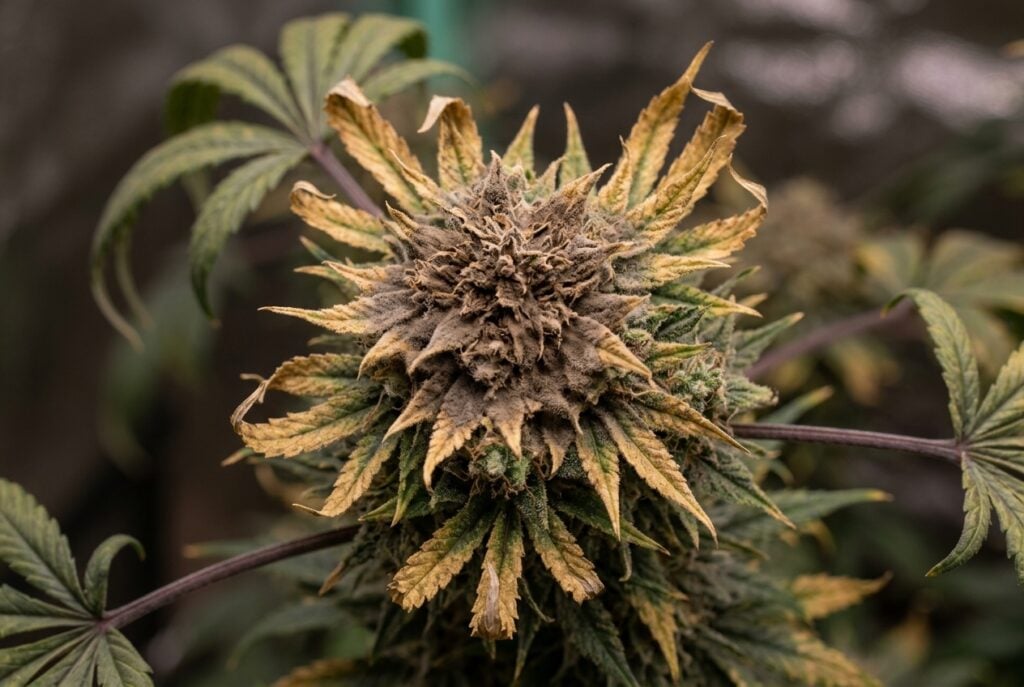
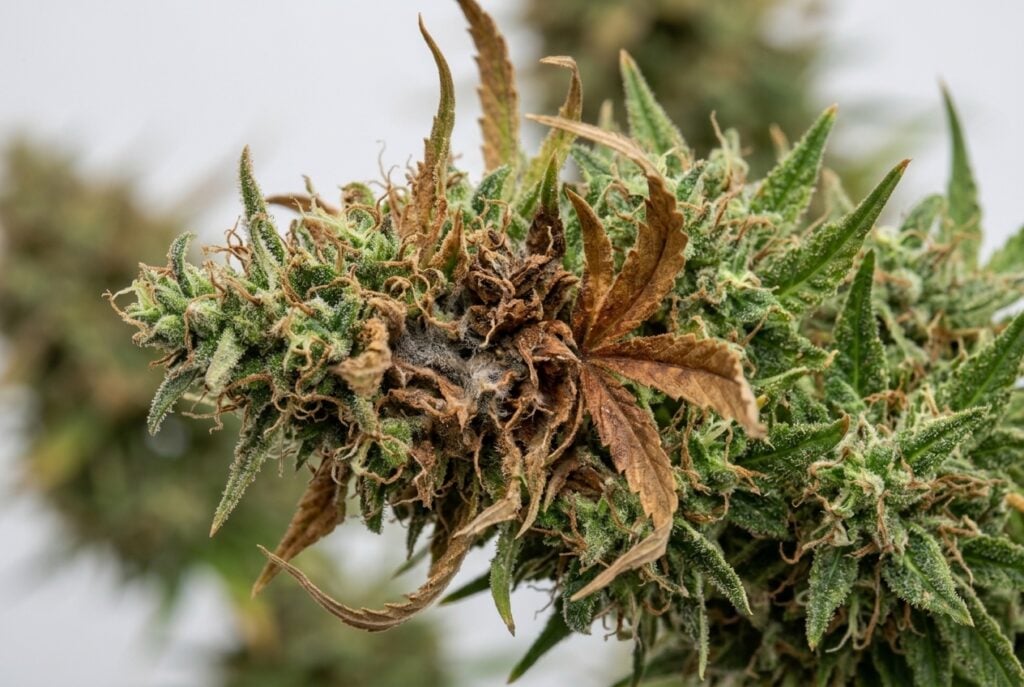
Mid-Stage: Brown Bud Rot
As bud rot on nugs progresses, the damage becomes much easier to see and smell. You may notice a brown, tan, or rust-colored shade spreading outward from the interior of the cola. The bud’s stem may also begin to look dry and pithy. When healthy, plant tissue normally appears full and slightly “springy”—bouncing back against a light touch. Infected plant tissue, however, will appear weak, compressed, and collapse easily under slight pressure.
At this stage, gray, fuzzy mycelium may be clearly visible, even without pulling the bud apart. Your plant’s aroma may change as well, shifting from its normal, terpene-rich scent to something damp, musty, and hay-like.
Botrytis Cannabis: Late-stage Bud Rot Pictures
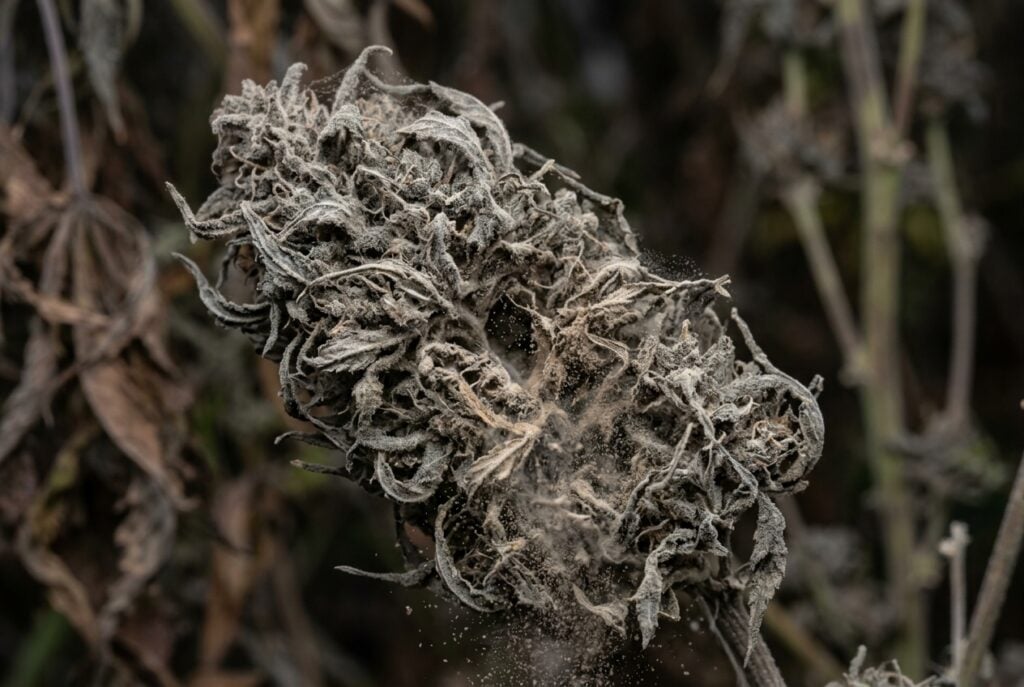
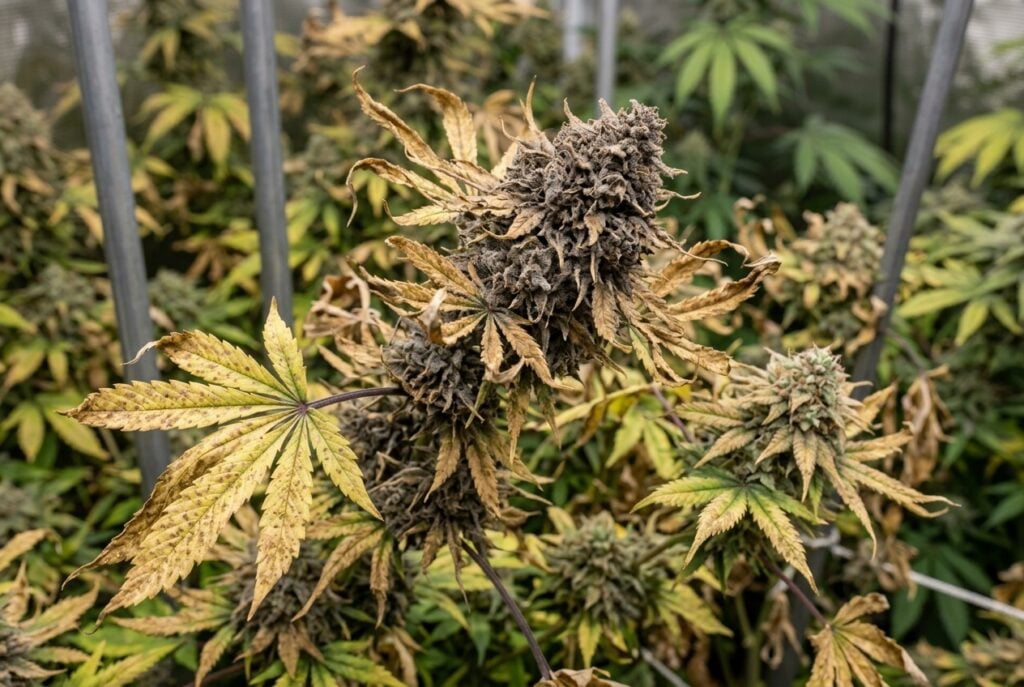
Late Stage Bud Rot: Gray-Black and Dusty
In late-stage bud rot weed, a cannabis flower will typically turn gray, black, and dry out, giving off a withered, ashen appearance. Try not to disturb the bud—even a light touch can release a visible puff of Botrytis spores; resulting in further contamination. At this point, the flower itself may crumble or even collapse, detaching from the plant entirely.
Bud Rot vs. Mold vs. Powdery Mildew: How to Tell the Difference
| Bud Rot (Botrytis) | Powdery Mildew | Surface Mold on Dried Bud | |
|---|---|---|---|
| Where it starts | Inside the cola | Leaf and bud surface | Outside of cured flower |
| Appearance | Gray-white fuzz, brown/black rotted core | White powdery dust, looks dry | White/gray/green fuzz on the surface |
| Wipes off? | No — tissue is destroyed | Yes, initially | Sometimes, but spores remain |
| Texture | Crumbling, mushy then dusty | Powdery, plant stays firm | Damp or fuzzy on dry material |
| Smell | Musty, damp hay | Little to none early | Musty, ammonia-like |
| When it appears | Late flower, dense colas | Any stage, veg through flower | Post-harvest, improper cure |
| Salvageable? | Infected material never | Early treatment possible | No |
Newer growers can sometimes mistake heavy trichome coverage for mold. This is understandable, as at first glance, they can appear similar. However, the difference is clear under magnification. Trichomes are discrete, sparkly, glandular structures. Powdery mildew, by contrast, is a flat, dusty film and is typically caused by Golovinomyces ambrosiae.
Thankfully, distinguishing between the two is easy, and affordable. Try picking up a jeweler’s loupe or 60x pocket microscope; you can typically find both these items for under twenty dollars. Caterpillar or budworm damage can also set the stage for bud rot. Look for black frass and bore holes in the cola: the wounds they create provide an entry point for Botrytis cinerea. If you find moldy dried bud rot after harvest, discard the affected material.
What Causes Bud Rot?
Excess humidity: Botrytis cinerea needs sustained, high levels of relative humidity to successfully colonize plant tissue. In greenhouse conditions, Botrytis cinerea can rapidly destroy clusters of flowers (inflorescences) with relative humidity above 70% and temperatures of 17–24 °C (63–75 °F) (Dey et al., 2023). Remember that humidity can actually increase at night, when temperatures drop. For this reason, it’s important to keep humidity levels consistent during both light and dark periods.
Poor Airflow: Stagnant air lingering within the canopy is another risk factor for cannabis bud rot. Even when the room’s relative humidity is in check, humid microclimates can form within the foliage.
Dense cola structure
Flower structure: Bud density itself can be its own risk factor. Large, tightly packed colas can hold moisture between the bracts, where it cannot be easily seen or reached.
Rain and dew on outdoor plants: Late-season rain that sits in colas overnight is the classic outdoor cause; a wet cola that never fully dries is an infection in progress.
Damaged tissue: Caterpillar bore holes, broken branches, and dying interior sugar leaves all give spores a foothold.
How to Prevent Bud Rot
Now that we’ve covered all of the major drawbacks of bud rot, let’s dive into some ways to sidestep the issue entirely.
The Vegetative Stage
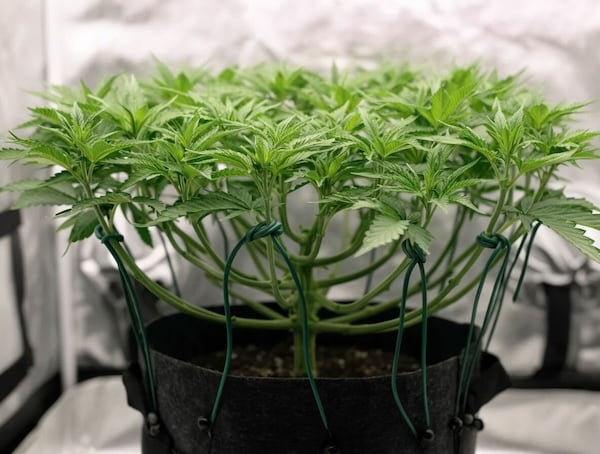
If you’ve researched cannabis cultivation before, you might be familiar with some common terms like low-stress training (LST), topping, and Screen-of-Green (ScrOG). These three techniques are each unique, but they all work towards a similar goal: encouraging your plants to grow outward, rather than up.
While many cannabis plants will default to dense, vertical growth, training techniques are useful because they coax the branches outward, creating larger gaps between branches and allowing plenty of light and air to flow through.
The Early to Mid Flowering Stage
At this point, it’s helpful to lower relative humidity gradually as flowering progresses. Ideally, you’ll want to aim for roughly 50–55% in the early flowering stage, especially if you’re cultivating a strain with dense colas. Keeping lights-on and lights-off temperatures relatively close will help limit condensation as the room cools at night.
Around the third week of flowering, selectively remove large fan leaves that block airflow through the plant’s interior. The goal is to open the canopy—not strip it bare. Watch closely for caterpillars, which create wounds that can become entry points for bud rot. Apply a cannabis-labeled Bacillus thuringiensis (Bt) product preventively, following its label directions; it works best on young larvae before damage becomes obvious.
Late Flowering Stage and Harvest
By this point in the flowering stage, you’ll want to run your humidifier on a humidistat—not a timer. Make sure to review overnight minimum and maximum readings instead of relying on the number you see during a quick daytime check.
Outdoor growers can also use a rain cover during the final month of flowering, if needed. If persistent late-season rain prevents you from keeping flowers dry, harvesting early is often the safest choice: a slight dip in potency may be a worthwhile tradeoff if it means keeping the plants healthy. It’s also best to avoid spraying anything on mature flowers; instead, continue to focus on humidity, airflow, and canopy management.
Slow or humid drying can allow mold to develop after harvest (Mojica et al., 2024). Growers can avoid this outcome by drying their cannabis in a cool, dark space using the 60/60 rule (60 degrees Fahrenheit and 60% relative humidity).
What to Do When You Find Bud Rot
If you do happen to come across bud rot, use your sterilized scissors to cut around the infection. Be sure to remove the affected cola several inches below any visible damage; mold can still spread internally beyond what you can actually see. After you’ve finished cutting, immediately place the removed material in a bag and discard it outside your growing area. Be sure not to place this material in the compost or leave it in a grow-room trash bin.
Before leaving, inspect every remaining cola on that plant and nearby plants for suspicious leaves, discoloration, or fuzzy growth.
Finally, correct the conditions that allowed rot to develop. Lower humidity, increase gentle airflow, and selectively remove excess foliage to open the canopy. Without an environmental change, bud rot can continue spreading.
Can You Save the Rest of the Plant?
Sometimes, yes. If you catch the infection during its early or mid stages, it’s possible to save uninfected portions of your plant, so long as you remove the infected colas promptly, correct the environment, and continue daily inspections throughout the remainder of the cultivation process.
Sometimes, salvaging bud rot cannabis can be trickier, especially if multiple colas are affected. This can occur in situations where growers are unable to control humidity levels, such as during late-season outdoor rain. In these scenarios, harvesting slightly early can be the better choice.
You may sacrifice some trichome maturity, but that trade-off may be worthwhile, especially if the alternative means losing more of your crop to rapidly spreading mold.
For harvest timing, see our full guide here.
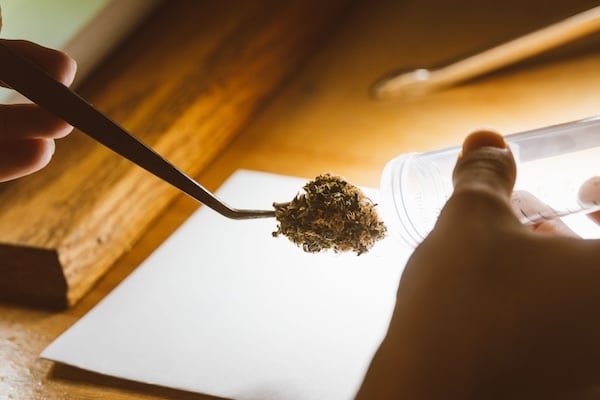
After a bud-rot event, dry the remaining harvest with extra care. Make sure the flowers are spaced apart and that your plants have access to a steady but indirect stream of fresh air.
At this point, it’s also wise to check suspect flowers, plus any buds that were near the original infection. It’s also important to keep an eye on your flowers while they’re drying and curing. Botrytis can continue developing even after you’ve harvested your buds if conditions remain damp, or airflow is inadequate (Clones Up, 2026).
Never Smoke or Consume Bud Rot: Here’s Why
We’ve all tried that slice of bread slightly past its pull date or cut off the bad part of a pear. But to be clear: No, you should not eat, smoke, or otherwise consume moldy cannabis; flowers infected with Botrytis cinerea are not safe to ingest. Even if you wash, dry, or cure them. Even if you light them on fire.
Do not make extracts or edibles from moldy material, either. Extraction can actually transfer contaminants into the finished product, rather than remove them. The mycotoxins associated with contaminated plant material carry real respiratory risk for healthy individuals—and that risk is substantially higher for immunocompromised or medical users who face a greater risk of fungal infections.
Cutting off the visibly rotten portions is also not an option, as fungal growth, spores, and potential mycotoxins can spread beyond the area that looks damaged. Published cannabis-contamination research and clinical case reports support treating visibly moldy flower as waste, not as material to reclaim (Punja et al., 2023; Remington et al., 2015).
How to Check Your Plants Without Spreading Spores
Throughout the flowering stage, cannabis flowers will put on considerable weight. As a bud becomes denser, its likelihood of developing bud rot typically increases. By week five, the flowers are typically bulky enough to warrant inspections.
Work From the Outside In
Scan each cola to ensure for the single, yellowing or wilted sugar leaves, brown or gray patches, collapsed flowers, or a musty smell. It’s also important to handle the branch, rather than squeezing the bud itself. If you do encounter a suspicious sugar leaf, it’s OK to pull on it gently. Some resistance is a good sign. If it slides free easily, however, it’s typically a good idea to carefully open the cola and inspect the tissue around the leaf’s base.
Sanitize Hands and Tools Routinely
To avoid transferring infected spores from one area of your plant to another, be sure to sterilize your shears with isopropyl alcohol between every cut; this way, the blades will not transfer spores to healthy tissue.
Wear a Mask
Be sure to wear a well-fitting mask when removing visibly moldy plant material—especially if you’re working in an enclosed space. This will help protect you from inhaling spores.
Strains That Resist Bud Rot
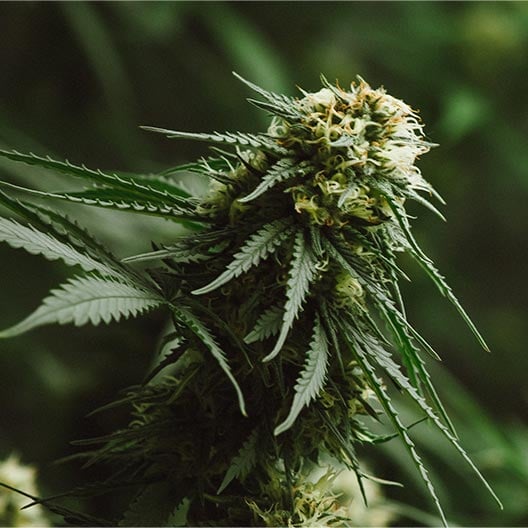
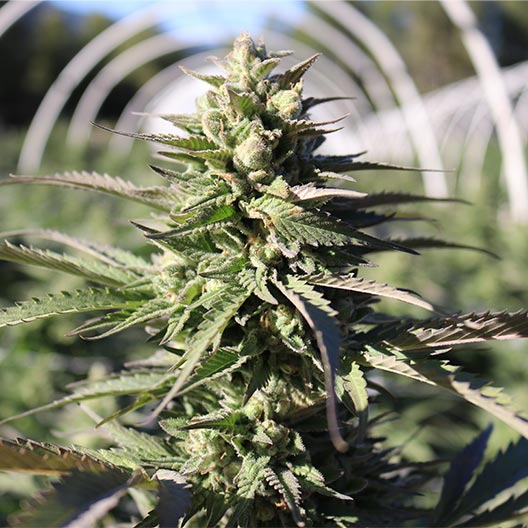
Plant structure is typically the first line of defense against bud rot. Flowering time can also be an important factor/ For instance, fast-flowering options will spend less time exposed to wet, late-season conditions. Many autoflowering seeds have an above-average resilience against bud rot thanks to their ruderalis lineage. Sativa-dominant strains with an open flower structure are an especially good fit for outdoor growers working in a humid climate. While no strain will ever be completely immune to growing challenges in general, keeping these general patterns and trends in mind can help you narrow down your selection.
Sativa-dominant seeds
Airy, open flowers dry faster and allow more airflow through the cola. Meanwhile, dense, tightly packed buds can trap moisture more easily; one study notes that heavier inflorescences showed higher Botrytis infection rates than smaller, less-dense flowers (Mahmoud et al., 2023).
Sativa-leaning and landrace-influenced varieties such as Durban Poison and Super Silver Haze are both well-known for their light, fluffy, airy buds. While some sativa-dominant or sativa landrace strains can be surprisingly thick and heavy, they tend towards a lighter, airier structure overall.
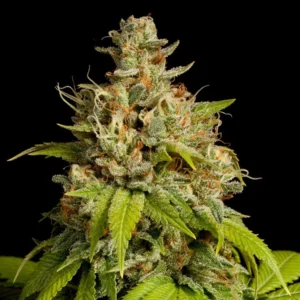
Autoflowering & Fast-Flowering Seeds
For growers in wet climates—such as the Pacific Northwest, the Southeast, or maritime UK regions—it’s typically wise to prioritize structure and flowering times over maximum yields. A plant that completes the flowering phase sooner, such as Critical Fast Bud Auto. Despite being both an indica-dominant and photoperiod strain, Northern Lights also has a prompt flowering time of approximately 50 days. Choices like these will, naturally, spend less time exposed to rainy, autumn conditions, which can minimize the risk of developing bud rot.
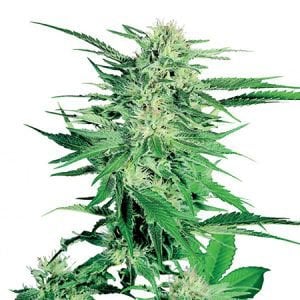
- Up to 19% THC
- 100% Indica
- Euphoric, happy, relaxing
- Earthy, herbal, pepper
A Closing Note
Bud rot is frustrating, to say the least. However, don’t be discouraged, especially if you’re a newer grower. This issue is largely caused by environment and genetics—meaning that a few small tweaks to your growing setup can make a significant difference. Working with high-quality seeds is another great way to start the growing process off right.
Frequently Asked Questions About Bud Rot
What does early-stage bud rot look like?
Oftentimes, it shows up as a single wilted or yellowed sugar leaf poking out from a healthy bud. It will pull away with zero resistance, revealing a browning stem and light, gray-white wisps inside when gently opened.
can bud rot spread to my other plants?
Yes. It produces airborne spores that spread easily, especially once dry and dusty. Bag affected areas before moving them, tend to healthy plants first, and sanitize your tools. Remember: if one plant gets it, your room’s environment is putting all of them at risk.
Is bud rot the same as mold?
Yes and no—it is a specific kind of destructive mold (Botrytis cinerea), but is unique in key ways. Unlike powdery mildew (which sits on the surface of a plant’s leaves, or surface mold on cured buds, bud rot attacks and rots the dense interior of living flowers.
Can you smoke weed with bud rot if you cut the bad parts off?
No. Microscopic spores can spread far beyond the visibly rotted areas, and heat won’t neutralize them. Toss all affected material.
How high does humidity need to be to cause bud rot?
The risk of bud rot pikes when your growing area’s sustained humidity rises above 50% during the mid-to-late flowering stage. In addition, when the lights go off, temperatures drop, increasing the risk of accumulated condensation.
Will bud rot come back during my next grow?
Potentially, but this depends on the steps you take between now and your next grow. Spores can linger in a growing medium, on surfaces, and even in air filters. If you encountered bud rot during your last grow, we recommend deep cleaning the room, swapping filters, and discarding old growing media. Once this happens, you’re ready for a fresh start.
Can you treat bud rot with a spray or fungicide?
Not once it has infected the interior of a flower. By this point, tissue is already destroyed, and spraying mature buds only adds harmful moisture. The only real treatment is total removal—and the only real defense is prevention.
References
Ocamb, C. M., & Osterbauer, N. K. (2026). Hemp (Cannabis sativa)-gray mold (Botrytis bud blight and stem canker). Pacific Northwest Plant Disease Management Handbook, Oregon State University.
Dey, K. K., Punja, Z. K., & Tiwari, R. (2023). Understanding bud rot development, caused by Botrytis cinerea, on cannabis inflorescences. Canadian Journal of Botany, 101(7), 427–440. https://doi.org/10.1139/cjb-2022-0139
Mahmoud, M., Punja, Z. K., & Scott, J. (2023). Understanding bud rot development, caused by Botrytis cinerea, on Cannabis sativa L. plants grown under greenhouse conditions. Canadian Journal of Plant Pathology, 45(3), 322–337. https://doi.org/10.1080/07060661.2023.2212388