Let’s get right to it. Yes, pot seeds absolutely go bad. They aren’t little magic pebbles; they are living things with an expiration date. Think of a seed as a tiny plant embryo taking a long nap with a packed lunch. Over time, that lunch runs out, and the embryo loses the energy to wake up and sprout.
So, Do Pot Seeds Actually Go Bad?
When we say a seed has “gone bad,” we really mean it’s lost its viability—that’s just a word for its ability to germinate. A seed is a living organism, and just like anything else, it can lose its vitality over time.
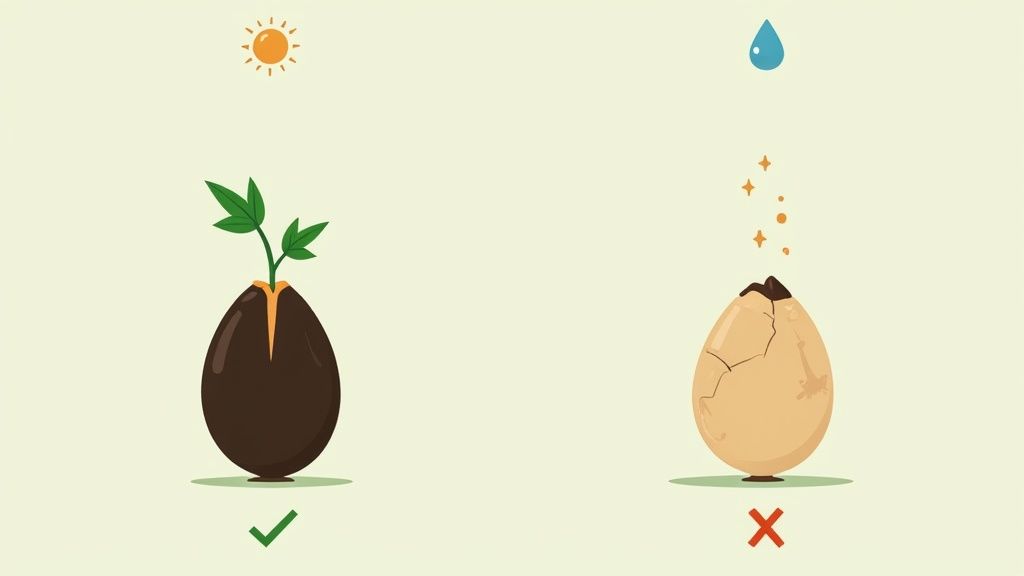
The main culprits that ruin your seeds are heat, light, and moisture. Imagine it’s like keeping food fresh. You can leave snacks in the pantry for a while, but for long-term freshness, the fridge is always better. The same logic applies to your precious seeds.
Your seeds don’t rot like a piece of fruit left on the counter, but their potential to grow into a thriving plant definitely fades if they aren’t stored correctly. Protecting them from the elements is key.
The Big Three Seed Killers
Understanding what makes seeds go bad is the first step to preventing it. It’s not complicated; it just requires a little attention to detail.
- Heat: High temperatures speed up the breakdown of the fats and starches inside the seed. This is the “packed lunch” we talked about. Heat makes the seed burn through its energy reserves way too fast, leaving it too weak to sprout.
- Light: Direct light, especially sunlight, signals to the seed that it might be time to grow. Constant exposure can confuse the seed and degrade its internal energy stores, weakening it before it even touches soil.
- Moisture: This one is huge. Humidity is the enemy of stored seeds. Too much moisture in the air can trigger mold and fungal growth, which will kill the seed embryo. It can also trick the seed into starting the germination process at the wrong time, wasting its energy.
A quick look at different storage methods shows just how much your environment matters.
Seed Viability At a Glance
| Storage Method | Typical Lifespan | Main Risk Factor |
|---|---|---|
| Drawer or Closet | 1-2 Years | Temperature and humidity swings |
| Airtight Container in a Cool, Dark Place | 2-3 Years | Gradual moisture buildup without desiccants |
| Refrigerator (Properly Sealed) | Up to 5 Years | Accidental moisture from condensation |
| Freezer (Properly Sealed & Vacuum Sealed) | 5-10+ Years | “Freezer burn” if not perfectly sealed |
As you can see, a little effort goes a long way in stretching the life of your seeds.
Proper Storage Makes All the Difference
The rate at which seeds deteriorate depends heavily on where you keep them. With proper storage in a refrigerator at temperatures between 35-50 degrees Fahrenheit and humidity levels of 30-40%, cannabis seeds can remain viable for up to 5 years, with germination rates typically staying above 70%. You can learn more about how long cannabis seeds can last from our friends at OA Seeds.
Keeping your seeds in a cool, dark, and dry place is non-negotiable if you want to preserve those awesome genetics for a future grow. That’s why we at Pacific Seed Bank handle our autoflower and feminized cultivars with so much care, ensuring they get to you fresh and ready to pop.
So, How Long Do Pot Seeds Really Last?
Alright, let’s get down to it. It’s one thing to say seeds are durable, but what does that actually mean for the average grower? How long can you realistically expect a pack of seeds to last?
The answer all comes down to how you store them. Think of it like a bag of chips: leave it open on the counter, and it’s stale by morning. Seal it up and stick it in the pantry, and it’ll stay crispy for weeks. Seeds work the same way. In a perfect world, say, tucked away in your fridge, they can stay good for years. In a decent spot, like a cool, dark drawer, you’ve still got a pretty good window.
But leave them in a hot car or a humid garage? You’re cutting their lifespan down from years to just a few months.
The Fresh Seed Advantage
There’s no contest: fresh seeds are the champs. We’re talking about seeds that are less than a year old. These little guys are bursting with energy and have the best shot at sprouting, usually boasting a germination rate well over 90%. This is the sweet spot you want to be in.
When you buy from a place like Pacific Seed Bank, you’re getting seeds in their prime. We keep our autoflower and feminized cultivars in perfectly climate-controlled conditions so they arrive at your door fresh and ready to grow. It takes the guesswork out of the equation and lets you start your grow with confidence.
Managing expectations is everything here. Whether you’re saving some killer genetics for a rainy day or you just stumbled upon an old stash, knowing these timelines will save you a world of frustration.
Breaking Down the Timeline
So, what happens as seeds get older? Their viability doesn’t just drop off a cliff one day. It’s more of a slow, gradual decline. Here’s a realistic look at what you can expect over the years, assuming you’ve kept them in a reasonably cool and dark place.
- 1 to 2 Years: Your seeds are still in fantastic shape. Stored properly, you can expect a germination rate of around 80-90%. They haven’t lost much of their internal fuel yet, so they should pop without a fuss.
- 2 to 5 Years: This is where you’ll start to see a real drop-off. That “packed lunch” inside the seed is getting a little stale. Germination rates can fall to anywhere between 40-60%. You might need to give these seeds a little extra encouragement to get them going.
- 5 to 10+ Years: Now we’re in vintage territory. It is absolutely possible to germinate seeds that are over a decade old, but you have to be realistic. The odds drop significantly, with germination rates as low as 10-20% or even less. These old-timers have tough outer shells and very little energy left, so waking them up requires patience and often some special techniques.
Storing seeds long-term is totally doable, especially if you’re trying to preserve some incredible genetics. Just remember that the older they get, the more it becomes a numbers game. You might have to try popping ten seeds just to get one or two to sprout. That’s why starting with fresh, reliable seeds is always the easiest road to a successful harvest.
The Best Way to Store Your Cannabis Seeds
So, we’ve established that pot seeds can definitely go bad. Now for the good news: you have a ton of control over how long they last. Storing your seeds the right way is the single most important thing you can do to protect your investment and see those awesome genetics in action.
Think of your seeds as being in a deep sleep. Your job is to make that sleep as peaceful and undisturbed as possible until you’re ready to wake them up. To do that, you just need to follow three golden rules.
The Three Golden Rules of Seed Storage
It all boils down to keeping your seeds cool, dark, and dry. Nailing these three things essentially stops the clock, preserving a seed’s viability for years. Each one plays a critical role in preventing your seeds from losing their punch.
- Keep Them Cool: Heat is a seed killer. It burns through the precious energy reserves a seed has stored up for germination. A cool, stable environment slows their metabolism way down, kind of like putting them into hibernation. The refrigerator is your best friend here.
- Keep Them Dark: Light is a signal for seeds to start waking up. Exposing them to light, even for short periods, can trigger hormonal changes that degrade their quality over time. A dark place tells them it’s still nighttime and they should keep sleeping.
- Keep Them Dry: This one is non-negotiable. Moisture is the number one enemy of stored seeds. It’s an open invitation for mold and mildew, which will destroy the embryo inside. Even high humidity can trick a seed into thinking it’s time to sprout, wasting all its energy before it ever sees soil.
This simple visual shows just how much proper storage can extend the life of your seeds. We’re talking from a couple of years to over a decade.
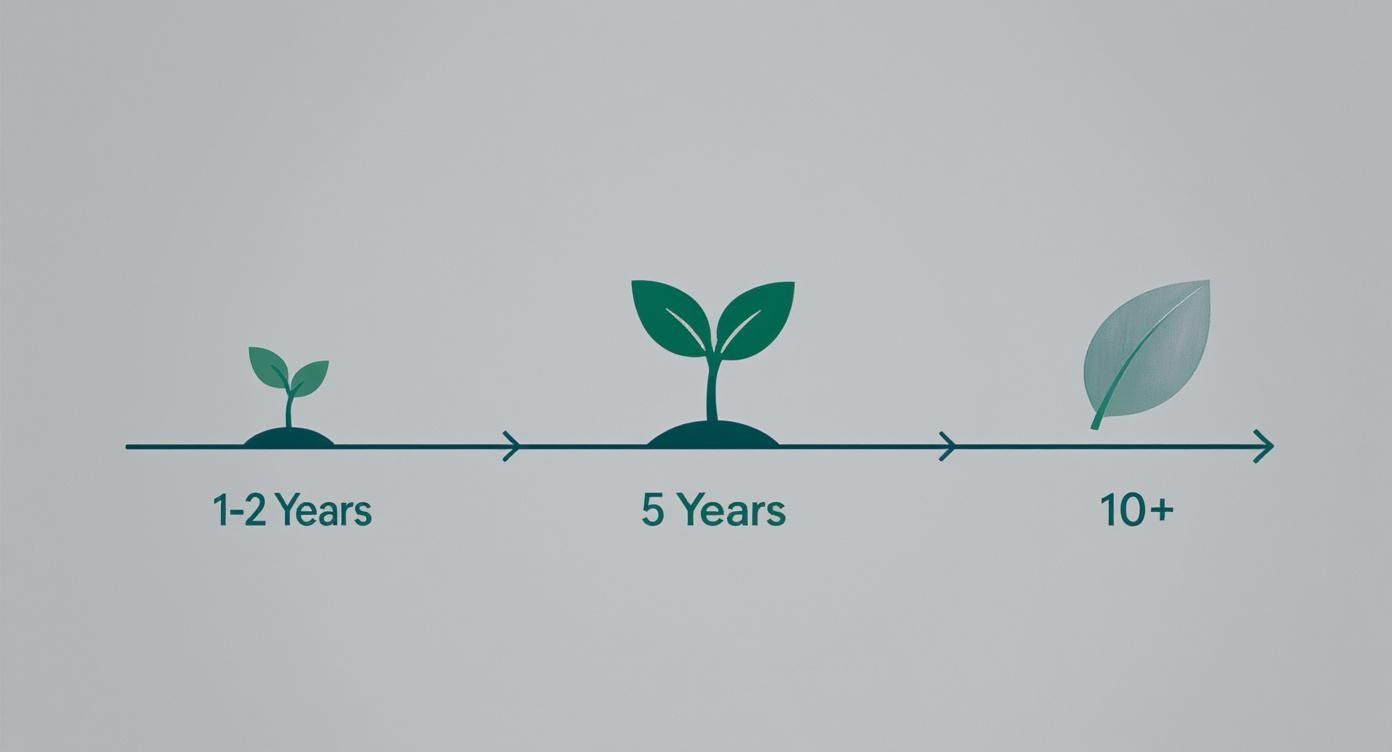
As you can see, seeds are at their absolute peak in the first year or two. But with cool, dark, and dry storage, you can easily keep them viable for five years or even longer.
Your Go-To Method: Fridge Storage
For just about everyone, the refrigerator is the perfect place to store your cultivars. It hits all the marks: it’s cool, it’s dark, and with a little prep, you can make it perfectly dry. It’s the ideal short to mid-term storage solution that can keep your seeds viable for 5+ years without any fuss.
Here’s how to do it right:
- Get an Airtight Container: Don’t just toss the seed packet in the butter compartment. Use a small, airtight container like a mason jar or a thick plastic container with a solid seal. This protects your seeds from moisture fluctuations every time you open the fridge door.
- Add a Desiccant: This is a pro move. Toss a silica gel packet (the kind you find in new shoe boxes or vitamin bottles) into your container. This little packet will absorb any excess moisture and keep the humidity inside your container super low.
- Label Everything: Seriously, don’t skip this. Label the container with the cultivar name and the date you stored it. It’s way too easy to forget what’s what after a couple of years.
With this simple setup, you’re giving your seeds the best possible chance to stay fresh until you’re ready for them. For more, check out our guide on cannabis seed storage tips for maximum shelf life.
What About the Freezer for Long-Term Storage?
If you’re thinking about banking seeds for the long haul, like 10 years or more, the freezer is an option. But it comes with a big warning label. While the extreme cold can preserve seeds for a very long time, it also brings risks.
The biggest danger is ice crystals. If there’s even a tiny bit of moisture inside the seed, freezing can cause that moisture to expand, cracking the seed’s outer shell or damaging the delicate embryo inside. It’s why professional seed banks use specialized equipment to control moisture levels perfectly before freezing.
While freezing can work, the risk of “freezer burn” and cell damage is real. For most growers, the fridge offers the best balance of longevity and safety for their autoflower and feminized seeds.
For those serious about long-term preservation, some expert growers have found success by vacuum-sealing seeds in airtight glass containers with desiccant packets. This method, when done perfectly, can preserve seeds for over a decade.
Ultimately, protecting your seeds is all about creating a stable environment. By keeping them cool, dark, and dry, you’re ensuring that the amazing potential packed inside each one is ready to go whenever you are.
How to Tell If Your Pot Seeds Are Still Good
So you’ve stumbled upon an old pack of seeds you totally forgot about. Before you get your hopes up, let’s play detective and figure out if they’re still good to go or just tiny plant fossils. Knowing how to spot a good seed from a bad one can save you a ton of time and wasted effort.
Luckily, you don’t need a lab coat or a microscope to check them out. A quick inspection can tell you a lot, a bit like picking out fresh fruit at the grocery store. You’re looking for signs of health and vitality.
The Look and Feel Test
The first and easiest way to size up your seeds is to just look at them and give them a gentle squeeze. Healthy, viable seeds have a few things in common, and so do the duds. It’s a pretty simple process of elimination.
Grab a seed between your thumb and forefinger and give it a little pinch. A good seed will feel firm and solid, resisting the pressure without a problem. If it crumbles, cracks, or feels squishy, that’s a bad sign.
Here’s what to keep an eye out for:
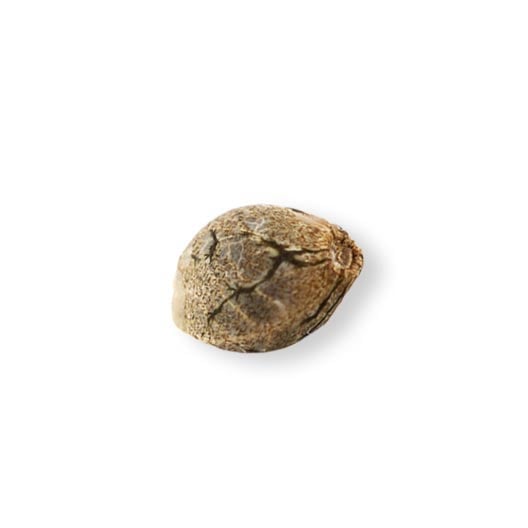
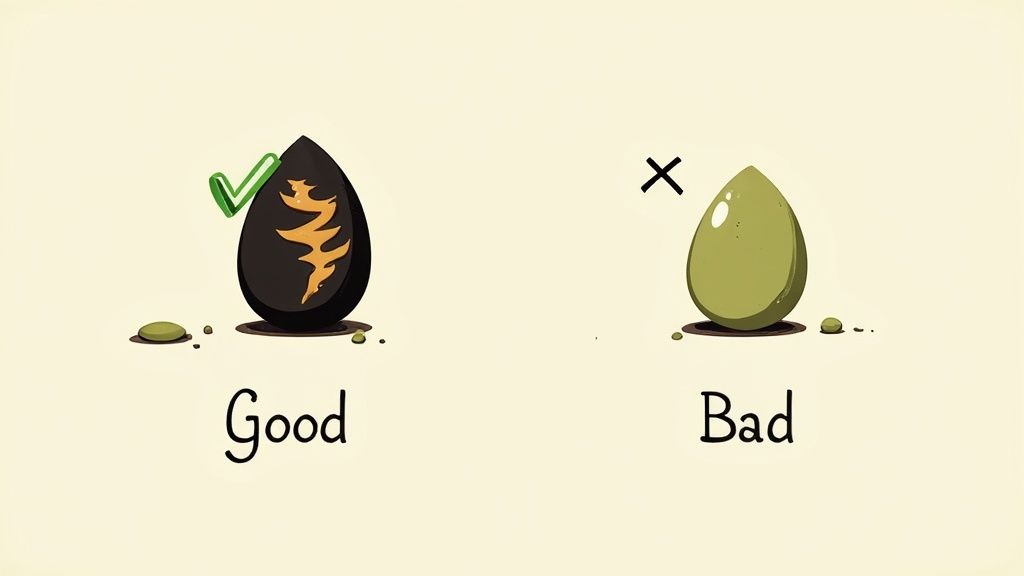
- Good Seeds: Healthy seeds are usually dark in color, ranging from a deep brown to grey or even black. Many high-quality cultivars have cool “tiger stripe” patterns or mottling on them. They feel hard and resilient when you press on them.
- Bad Seeds: Seeds that have likely gone bad often look pale, whitish, or have a greenish tint. They just look immature and feel fragile. If a seed is soft enough to be crushed with minimal pressure, it almost certainly won’t sprout.
Think of the seed’s shell as its armor. A strong, dark shell means the tiny plant embryo inside has been well-protected over time. A weak, pale shell suggests it either never fully matured or has degraded, leaving the embryo inside exposed and probably nonviable. We have a great article that goes deeper into how to tell if your marijuana seeds are high quality if you want more details.
Trying the Classic Float Test
If your seeds passed the visual check, the next step is the classic “Float Test.” It’s an old-school method that growers have used for ages to get a better sense of a seed’s viability before planting. The concept couldn’t be simpler.
Just drop your seeds into a glass or bowl of room-temperature water. Let them sit for a couple of hours and see what happens.
The thinking behind this test is pretty straightforward: healthy, dense seeds should absorb water and sink to the bottom. Seeds that keep floating after a few hours are often thought to be empty, dried out, or otherwise no longer viable.
The float test is a useful indicator, but it’s not 100% foolproof. Some perfectly good seeds might have a tiny air pocket that keeps them afloat for a while, and some duds might sink. Use it as a guide, not a final verdict.
If a seed is still floating after two to four hours, give it a gentle tap. Sometimes that’s all it needs to break the water’s surface tension and take the plunge. Any seeds that sink are generally considered good candidates for germination. For the floaters, don’t toss them just yet. It’s still worth trying to germinate them using the paper towel method, just in case they’re late bloomers.
Ultimately, combining these simple tests gives you a solid idea of what you’re working with. It helps you decide which seeds are worth your time and which ones are probably destined for the trash, so you can focus your energy on the seeds with the best shot at success.
How to Germinate Old Cannabis Seeds
So you stumbled upon a stash of seeds from a few years back. Don’t write them off just yet! There’s something incredibly rewarding about bringing a vintage cultivar back to life, but you’ll need to know they require a bit more finesse than fresh ones.
Think of an old seed like a hibernating bear. It’s not going to just pop up, bright-eyed and ready to go. You’ve got to gently coax it awake.
Older seeds are up against two main hurdles. First, their outer shells have hardened over time, becoming less permeable. This makes it tough for water to seep in and trigger the germination process. Second, their internal energy reserves are running low. That “packed lunch” we mentioned earlier is nearly gone, leaving them with little fuel for the difficult task of sprouting. Your job is to make that process as effortless for them as possible.
Giving Old Seeds a Helping Hand
A couple of simple tricks can dramatically improve your odds. These techniques are all about gently waking the seed and clearing a path for it to sprout without burning through its limited energy stores.
- Pre-Soaking: This is your first and easiest move. Just drop the seeds into a glass of room-temperature, pH-neutral water for about 12 to 24 hours. Soaking rehydrates the seed and softens that stubborn outer shell. When they sink to the bottom, you know it’s working.
- Scuffing (Scarification): If the shells feel particularly tough, a little light scuffing can do wonders. Gently rub the seed along a piece of fine-grit sandpaper or even the striker pad of a matchbox. The idea isn’t to grind it down, but just to create a few microscopic scratches on the surface. This gives water a VIP pass inside. Just be gentle!
These simple recovery methods can make a huge difference. Grower reports and studies show that techniques like pre-soaking and using the paper towel method with consistent warmth can boost success rates for older seeds by 20-40%.
The Paper Towel Method for Vintage Seeds
The paper towel method is a classic for a reason. It’s perfect for coddling old seeds. It creates the consistently warm and moist environment they need to have the best shot at popping.
The goal here is consistent warmth, not direct heat. You want the environment to feel like a perfect spring day, not a scorching summer afternoon. Too much heat will cook your delicate seeds before they even get a chance to sprout.
Here’s how to nail the process every single time:
- Prep Your Station: Grab two clean plates and a couple of paper towels. Lightly dampen the paper towels with filtered, room-temperature water. They need to be moist, not sopping wet.
- Place the Seeds: Lay one damp paper towel on a plate. Carefully arrange your pre-soaked (and scuffed, if you went that route) seeds on top, giving each one at least an inch of space.
- Cover Them Up: Place the second damp paper towel over the seeds. Then, use the other plate to cover everything, creating a dark, humid little dome for them.
- Find a Warm Spot: Stash the plates somewhere consistently warm and dark. On top of a refrigerator or near a Wi-Fi router often works great. The sweet spot for temperature is right around 70-80°F.
- Check Daily: Peek in on them once a day. You’re checking to make sure the towels are still damp and looking for any signs of a taproot. If the towels feel a bit dry, a light mist of water will do the trick. Remember to be patient here; old seeds can take anywhere from a few days to over a week to finally sprout.
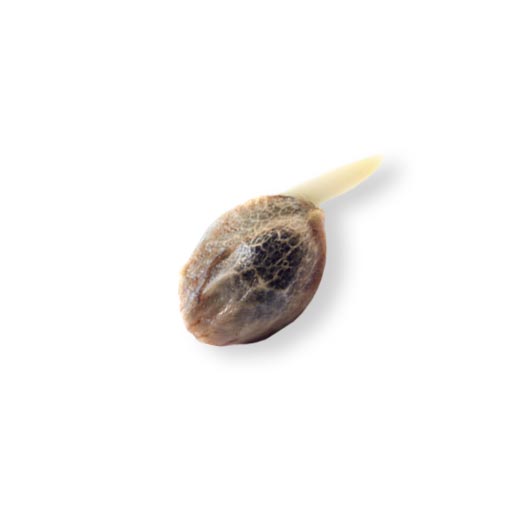
Once a seed cracks and a tiny white taproot emerges, it’s ready for its new home in your growing medium. This hands-on approach can turn seeds you might have thought were duds into a thriving grow. For a full breakdown of this and other germination techniques, check out our complete guide on how to germinate marijuana seeds for beginners.
Why Starting with Fresh Seeds Matters
After all that talk about reviving old seeds, let’s be real. It’s a fun project, but it’s not always the best path to a killer harvest. Starting your grow with fresh, high-quality seeds is the single smartest move you can make.
Think of it as an investment in your own time and final results. Why go through the uncertainty and extra work of trying to germinate old, stubborn seeds when you can just start strong? When you buy from a reputable source, you’re not just buying seeds; you’re buying confidence.
The Pacific Seed Bank Promise
Here at Pacific Seed Bank, we’re obsessed with freshness. We know that the journey to an amazing plant starts the second that seed is produced. That’s why we don’t just sell seeds; we manage them with extreme care from day one.
Our entire inventory of autoflower and feminized cultivars is stored in perfect, climate-controlled conditions. This isn’t just some cool, dark drawer in the back. We’re talking about a professionally managed environment that keeps our seeds dormant and packed with potential until they get to you.
This means you don’t have to stress about playing guessing games or dealing with disappointing germination rates.
Starting with a viable seed is the most critical step to a great harvest. When you start with genetics you can trust, you set yourself up for success from the very beginning. It removes the biggest variable from the equation.
Our commitment is to your success. We ensure every single seed we sell is fresh, viable, and ready to pop. When you order from us, you get premium genetics that have been handled correctly every step of the way. It’s the difference between hoping for the best and knowing you’ve got the best. Why settle for anything less when your harvest is on the line?
Your Questions About Seed Viability Answered
Alright, let’s clear up some of the common questions growers have about whether their pot seeds go bad. There’s a lot of chatter out there, so we’re here to give you quick, straight answers to the stuff people are always wondering about.
What If My Seed Floats?
So you tried the float test and have a couple of seeds still bobbing at the surface. Don’t toss them just yet! While it’s true that healthy, dense seeds usually sink, floating isn’t always a death sentence.
Sometimes a seed just has a really tough outer shell or a tiny air pocket trapped inside. It might need more than a few hours to absorb enough water to finally sink. Give it a gentle nudge, and if that doesn’t work, go ahead and try germinating it anyway. You might be surprised.
Does the Freezer Kill Cannabis Seeds?
This is a big one. The short answer is no, the freezer itself doesn’t kill seeds, but it can be risky if you don’t do it right. Freezing is a solid strategy for super long-term storage, like if you’re trying to preserve rare cultivars for a decade or more.
The real danger is moisture. If there’s any moisture inside or around the seed when it freezes, ice crystals will form. Those crystals expand and can crack the seed’s shell or damage the delicate embryo inside. For most growers, the fridge is a much safer bet.
We stick to professional, climate-controlled cold storage that’s cool but not frozen. This method protects the integrity of our autoflower and feminized seeds, ensuring they’re ready to pop without any risk of freezer damage.
How Can You Guarantee Fresh Seeds?
This is at the core of what we do. We don’t just sell seeds; we manage them with care from the moment we source them. We work with top breeders to get fresh batches of the best cultivars.
From there, they go straight into our ideal storage conditions, where we control the temperature and humidity perfectly. This keeps them fresh and full of energy. Plus, we stand behind our products with an industry-leading germination guarantee. This gives you total peace of mind, knowing that you’re starting your grow with strong, viable seeds that are set up for success.
At Pacific Seed Bank, we take the guesswork out of the equation. Explore our massive collection of premium autoflower and feminized seeds, all backed by our germination guarantee. Start your grow with confidence.