A lot of people start growing weed thinking it’s automatically cheaper than buying from a dispensary. Sometimes it is. Sometimes it is not. The real answer depends on how you grow, how much you smoke, and how deep you want to go with your setup.
A simple outdoor grow with a couple autoflower cultivars can stay pretty affordable. Toss in a premium indoor grow tent, high-end LED lights, ventilation gear, nutrients, environmental controllers, and suddenly the price climbs fast. That’s why two growers can end up spending wildly different amounts to grow the same plant.
The good news is that home growing gives you way more control over what you’re smoking. You choose the cultivars, the nutrients, the environment, and the harvest timing. A lot of growers end up caring less about dispensary prices once they start pulling down jars of flower they grew themselves.
Startup costs are usually the biggest hurdle. Indoor growers normally need a grow tent, LED grow lights, inline fans, carbon filters, pots, soil or coco coir, nutrients, pH tools, and seeds. Even a smaller beginner setup can run a few hundred dollars before the first plant even sprouts. Larger multi-plant grows can move well past that pretty quickly.
Then there are the monthly costs people forget about. Electricity usage adds up fast under powerful grow lights. Nutrients need to be replaced. Carbon filters wear out. Water usage increases. If you are running an indoor setup year-round, your utility bill usually notices.
At the same time, a successful harvest can completely change the math. One healthy feminized plant grown indoors can produce enough flower to offset months of dispensary spending. Faster autoflower cultivars can cut electricity costs down even more since they finish quicker than many traditional photoperiod plants.
This guide breaks down the real-world costs of growing weed at home without pretending every grow needs a lab-level setup. We’ll go through indoor and outdoor costs, beginner budgets, monthly expenses, equipment pricing, harvest value, and the common mistakes that quietly drain growers’ wallets over time.
Why More People Are Growing Their Own Weed
Dispensary prices pushed a lot of people toward home growing in the first place. Paying premium prices every week for flower, concentrates, or pre-rolls adds up fast, especially for regular smokers. After a while, a grow tent and a few packs of seeds start looking less like a hobby purchase and more like a long-term investment.
There’s another side to it too. A lot of growers just like having control over what they’re smoking. When you grow your own cannabis, you know exactly what went into it. You pick the cultivars, choose the nutrients, control the drying process, and decide when the plants get harvested. Some people prefer heavy indica-leaning cultivars with dense buds and gassy terpenes. Others chase fruity autoflowers with shorter grow cycles and easier maintenance. Home growing gives you options dispensaries do not always offer consistently.
The quality side matters more than people realize. Fresh homegrown flower can hit very differently from dispensary weed that has been sitting in jars, bags, or storage for weeks or months. A properly dried and cured harvest usually keeps more aroma, flavor, and overall freshness intact.
Legalization opened the door too. More states now allow some form of home cultivation, and that has made growing weed feel way less intimidating than it used to. Instead of hiding a plant in the woods somewhere, people are building small indoor grow setups in spare bedrooms, basements, garages, and closets. Even tiny 2×2 grow tents can produce enough flower for personal use.
Autoflower cultivars made things easier for beginners too. A lot of new growers do not want to deal with complicated lighting schedules or massive plants that take half the year to finish. Autoflowers stay smaller, finish faster, and usually simplify the learning curve. That lower barrier to entry helped bring more first-time growers into the hobby.
Social media and grow forums played a huge role too. New growers can now watch full seed-to-harvest runs online, compare equipment setups, learn feeding schedules, and troubleshoot problems with other growers. Ten or fifteen years ago, people had to piece information together from random forums and old grow books. Now somebody can learn the basics of lighting, airflow, nutrients, and drying in a weekend.
For a lot of people, growing weed turns into more than just saving money. It becomes part gardening project, part hobby, part obsession. Once growers pull their first successful harvest and fill a few curing jars themselves, many never really look at dispensaries the same way again.

What Actually Impacts the Cost of Growing Weed
There is no single answer for how much it costs to grow weed. One person might spend a couple hundred bucks on a small autoflower setup in a closet. Somebody else might build out a fully automated grow room with climate controllers, irrigation systems, high-end LEDs, and spend thousands before the first seed cracks open.
Most of the cost comes down to a few major factors.
Indoor vs Outdoor Growing
Indoor growing usually costs more upfront. You are basically recreating the sun and outdoor environment inside a controlled space. That means buying grow lights, ventilation equipment, fans, timers, pots, nutrients, and often a grow tent to hold everything together.
Electricity becomes part of the equation too. Powerful LED grow lights running daily will raise your utility bill, especially during flowering when lights stay on for long periods every day. Add inline fans, oscillating fans, dehumidifiers, or portable AC units, and the monthly operating cost keeps climbing.
The upside is control. Indoor growers can manage temperature, humidity, airflow, lighting schedules, and odor far more easily. That control usually leads to more consistent harvests and year-round growing potential.
Outdoor growing is much cheaper in comparison. The sun handles your lighting for free, and natural airflow cuts down on ventilation costs. Many outdoor growers only spend money on soil, nutrients, containers, and seeds.
The tradeoff is that outdoor grows depend heavily on climate and season length. Bad weather, pests, excess humidity, and early frosts can wreck a grow quickly. Outdoor growers also lose some privacy and environmental control compared to indoor setups.
A greenhouse usually lands somewhere in the middle. It lowers electricity costs but still gives growers more control over the environment than a fully exposed outdoor grow.
Autoflower vs Feminized Seeds
The type of seeds you choose changes the total cost too.
Autoflower cultivars usually finish faster, which means lights run for fewer weeks indoors. That can lower electricity costs over time. They also stay smaller on average, so growers can work with smaller tents and less equipment.
A lot of beginners like autoflowers because they simplify the process. Most do not require lighting schedule changes to start flowering, which removes one more thing new growers need to manage.
Feminized photoperiod cultivars usually take longer to finish, though they often produce larger yields under the right conditions. Bigger plants can mean more nutrients, larger containers, stronger lighting, and more trimming work during harvest.
Seed pricing varies too. Premium genetics from established breeders often cost more upfront, though many growers feel the consistency and flower quality make the extra cost worth it.
Grow Size and Plant Count
Plant count changes everything financially.
A single-plant grow in a small tent might only need one LED light, one inline fan, and a few basic supplies. A larger setup with four, six, or eight plants usually needs stronger lighting, more airflow, larger carbon filters, bigger nutrient reserves, and more space overall.
Bigger grows create more heat too, which sometimes forces growers to buy additional cooling equipment. That is where costs can snowball fast.
Container size matters as well. Small autoflower cultivars in three-gallon pots cost less to feed and water than massive photoperiod plants sitting in seven-gallon fabric pots for months.
This is why many first-time growers start small. It keeps the startup cost manageable and gives them room to learn before investing heavily into larger harvests or more advanced equipment.

Typical Startup Costs for an Indoor Cannabis Grow
Indoor growing has the biggest upfront cost, especially for first-time growers starting from scratch. You do not need a massive professional setup to grow quality flower, though there are a few pieces of equipment that almost every indoor grow requires.
Some growers keep things very basic and still pull solid harvests. Others gradually upgrade every part of their setup over time. Most people land somewhere in the middle.
Here’s where the bulk of the startup money usually goes.
Grow Tent Costs
A grow tent is one of the first things most indoor growers buy. It creates a controlled space for lighting, airflow, temperature, and odor management without turning an entire room into a grow room.
Smaller beginner tents like 2×2 or 2×4 setups are usually enough for one to three plants and tend to stay fairly affordable. Larger 4×4 tents cost more but give growers room to run multiple cultivars at once and increase total harvest size.
Higher-quality tents normally have thicker fabric, stronger zippers, better light-proofing, and sturdier frames. Cheap tents can work fine for beginners, though weak zippers, poor stitching, and light leaks show up pretty quickly over time.
A basic grow tent setup usually runs anywhere from around $70 to several hundred dollars depending on size and quality.
LED Grow Lights
Lighting is usually the single most important purchase in an indoor cannabis grow.
Older HID systems like HPS and metal halide lights still exist, though modern LED grow lights became far more popular because they run cooler and use less electricity. Good LEDs still are not cheap, but most growers feel the lower heat output and energy savings make them worth it.
Budget LEDs can grow decent cannabis, though cheaper lights sometimes struggle with canopy penetration, long-term durability, or overall yield potential. Higher-end full-spectrum LEDs usually provide stronger coverage, better efficiency, and more consistent flower development.
Light size depends heavily on tent size. A tiny tent may only need a small LED fixture, while larger grow spaces require stronger lighting to cover the entire canopy evenly.
For many growers, lighting becomes the area where they spend the most money upfront.
Ventilation and Odor Control
Good airflow matters way more than most beginners expect.
Indoor cannabis plants create heat and humidity quickly, especially during flowering. Without proper airflow, grow rooms can develop mold issues, weak plant growth, or stale air conditions that hurt yields.
Most indoor setups use an inline fan paired with ducting and a carbon filter. The inline fan pulls hot air out of the tent, and the carbon filter helps control odor before air leaves the grow space.
Oscillating fans inside the tent help move air around the plants themselves, which reduces stagnant air pockets and strengthens branches during growth.
Odor control becomes a bigger deal later in flowering once buds start producing stronger terpene profiles. Some cultivars can get extremely loud smell-wise, especially in smaller homes or apartments.
Growing Medium and Containers
Cannabis growers have several options for growing mediums, and each one changes the total cost a bit.
Soil tends to be the most beginner-friendly route. Many growers start with pre-amended soil mixes that already contain nutrients for early growth. That keeps feeding simpler during the first few weeks.
Coco coir has become popular too. It gives growers faster growth rates and more control over feeding, though it usually requires more frequent watering and nutrient management.
Hydroponic systems can produce aggressive growth and heavy yields, though startup costs climb fast once reservoirs, pumps, irrigation equipment, and monitoring tools enter the picture.
Containers matter too. Fabric pots are common because they improve airflow around roots and help prevent root binding. Most indoor growers use three-gallon to seven-gallon pots depending on plant size and grow style.
Nutrients and pH Equipment
Cannabis plants are heavy feeders once they get moving, especially indoors under strong lighting.
Most growers buy nutrient lines designed for cannabis or hydroponic gardening. Even basic nutrient programs usually include separate formulas for vegetative growth and flowering.
Beyond nutrients, pH management becomes a major part of indoor growing. Cannabis plants absorb nutrients best within certain pH ranges, so many growers buy digital pH pens to monitor water and nutrient mixtures accurately.
Basic pH equipment, nutrients, measuring tools, and calibration supplies may not seem expensive individually, but together they become a regular part of the overall grow budget.
By the time a beginner buys all the core equipment for a modest indoor setup, total startup costs often land somewhere between a few hundred dollars and over a thousand depending on equipment quality and grow size.
Monthly Costs of Growing Weed
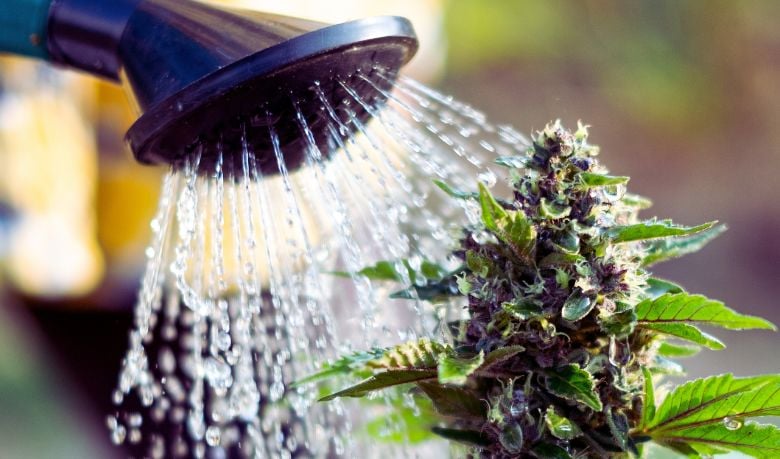
Once the setup is built, the spending does not completely stop. Indoor growers still deal with recurring monthly costs that slowly add up over time. Some months stay pretty cheap. Other months get more expensive depending on the size of the grow, local electricity rates, and how much equipment is running daily.
This is the part many first-time growers underestimate.
Electricity Costs
Electricity is usually the biggest ongoing expense for indoor growers.
LED grow lights may use less power than older HPS systems, but they still run for long hours every day. During vegetative growth, many growers keep lights running around 18 hours daily. Flowering schedules often drop closer to 12 hours for feminized photoperiod cultivars, though autoflowers sometimes stay under longer lighting schedules from seed to harvest.
Fans, inline ventilation systems, humidifiers, dehumidifiers, portable AC units, and heaters all stack onto the power bill too. A small grow with one LED light and basic ventilation may only add a modest increase to the monthly utility bill. Larger multi-light setups can become noticeably more expensive.
Local electricity rates matter a lot here. Two growers running identical equipment in different states may see very different monthly costs.
Efficient equipment helps keep things manageable. High-quality LED grow lights usually pull less electricity and create less heat, which can reduce cooling costs at the same time.
Water Usage
Cannabis plants drink more water than many beginners expect, especially during late vegetative growth and flowering.
Small plants barely use much at all early on, but mature plants under strong lighting can go through water quickly. Larger containers, hotter environments, and bigger cultivars all increase watering frequency.
For most small home growers, water costs stay relatively minor compared to electricity. The bigger expense sometimes comes from water filtration systems. Some growers install reverse osmosis systems to remove minerals or contaminants from tap water, especially in areas with hard water.
Others buy pH adjustment solutions, storage containers, pumps, or watering systems that slowly add onto the overall monthly cost.
Outdoor grows usually cost less here since rainwater and natural environmental conditions handle part of the workload.
Replacement Equipment and Consumables
Grow equipment wears down over time.
Carbon filters slowly lose effectiveness and eventually stop controlling odor properly. pH pens need calibration supplies and sometimes replacement probes or batteries. Nutrients run out and need restocking every grow cycle.
Then there are all the smaller items growers constantly rebuy without thinking much about them:
- Trellis netting
- Plant ties
- Pruning scissors
- Sticky traps
- Trimming gloves
- Drying racks
- Storage jars
- Replacement ducting
- Humidity packs
None of these things seem expensive individually, though together they become part of the regular cost of growing weed indoors.
Mistakes can raise monthly costs too. Overfeeding nutrients, poor airflow, pest problems, mold issues, or equipment failures often force growers to replace products early or buy emergency fixes mid-grow.
This is one reason experienced growers usually stress buying decent equipment upfront. Cheap fans, weak lights, and low-quality timers often fail faster and end up costing more long-term once replacements pile up.
How Much Weed Can You Harvest Compared to What You Spend
This is where growing your own weed starts making a lot more sense financially.
The upfront costs can feel heavy at first, especially during the first grow cycle. Once harvest time hits, though, many growers realize just how much flower a single healthy plant can actually produce.
Indoor yields vary a ton depending on genetics, lighting, grow experience, container size, training methods, and environment. A beginner running a small tent with autoflower cultivars may harvest a few ounces total. A more dialed-in grower with strong lighting and healthy feminized photoperiod plants can pull much larger yields from the same space.
That difference matters when you compare it to dispensary pricing.
In a lot of places, dispensary flower still sells at pretty premium prices once taxes are included. A successful home harvest can easily replace hundreds or even thousands of dollars worth of dispensary purchases over time.
For example, a grower who spends around $700 setting up a modest indoor grow and harvests several ounces from their first run may already offset a large chunk of the initial investment. After the equipment is already purchased, later grow cycles usually become far cheaper since the main recurring expenses are electricity, nutrients, and replacement supplies.
Autoflower cultivars can improve the math even more for some growers. Their shorter life cycle means faster harvests and fewer weeks of electricity usage indoors. Some growers run multiple autoflower harvests per year in the same tent, steadily building up a personal stash without massive monthly costs.
Feminized photoperiod cultivars often take longer, though many growers prefer them for their larger harvest potential and ability to fully control vegetative growth before flowering starts.
The quality side matters too. Homegrown flower is not just about quantity. A carefully grown, dried, and cured harvest can compete surprisingly well with dispensary cannabis when the grow environment is managed properly. Some growers care less about saving money once they realize they actually prefer smoking their own flower.
Harvest processing adds a few extra costs people sometimes forget about. Drying racks, trimming supplies, curing jars, humidity packs, and storage containers all become part of the equation after chop day arrives.
Still, once growers make it through the first successful harvest, the long-term cost per gram usually drops pretty hard compared to regular dispensary buying habits. That is a huge reason many people stick with home cultivation after trying it once.
Cheap Cannabis Grow Setups vs Premium Grow Rooms
Not every cannabis grow needs to look like a professional commercial facility. Some growers pull solid harvests from basic closet setups with affordable equipment. Others build highly controlled grow rooms packed with automation, environmental controllers, and top-shelf gear.
Both approaches can work. The biggest difference usually comes down to budget, goals, and how serious someone gets about growing over time.
Budget Setup Example
A smaller beginner setup is usually enough for someone growing personal-use cannabis at home.
A basic grow might include:
- A small 2×2 or 2×4 grow tent
- One mid-range LED grow light
- A small inline fan and carbon filter
- Fabric pots
- Soil or coco coir
- Basic nutrients
- One or two autoflower cultivars
A setup like this often stays within a few hundred dollars if the grower shops carefully and avoids overbuying equipment right away.
A lot of beginners make the mistake of thinking they need every advanced gadget immediately. In reality, many experienced growers started with simple setups and upgraded slowly over multiple grow cycles.
Budget setups usually keep electricity costs lower too since smaller tents require less lighting and airflow equipment. They are easier to manage for first-time growers and fit well in apartments, closets, spare rooms, or small basement spaces.
There are tradeoffs, though. Cheaper grow lights may not produce the same canopy coverage or yield potential as higher-end LEDs. Budget ventilation systems sometimes run louder or wear out faster. Smaller tents limit plant size and total harvest volume.
Still, many growers produce surprisingly good flower without spending thousands of dollars.
Premium Setup Example
Premium grow rooms push things much further.
These setups often include larger grow tents or dedicated rooms with multiple LED fixtures, advanced ventilation systems, environmental controllers, automated watering systems, dehumidifiers, air conditioning units, and smart monitoring equipment.
Some growers automate almost everything:
- Temperature control
- Humidity management
- Irrigation timing
- Light schedules
- VPD monitoring
- CO2 supplementation
- Remote app controls
The environmental control in these setups can produce very consistent harvests and maximize yield potential, especially for larger feminized photoperiod cultivars grown under powerful lighting.
Premium LEDs alone can cost several hundred dollars each. Add climate control equipment and automation systems, and the total investment climbs fast.
The monthly operating costs climb too. Larger lights use more power. Dehumidifiers and AC units can noticeably impact electricity bills during flowering when humidity and heat become harder to manage.
For many home growers, premium setups happen gradually. People usually start small, learn the basics, then slowly upgrade parts of the grow room over time once they understand what actually improves their results.
That progression is pretty common in cannabis cultivation. Somebody buys a small tent, gets hooked after their first harvest, then suddenly starts researching better LEDs, larger grow spaces, automated irrigation, and drying room upgrades six months later.
Example of the Economics of Growing Weed at Home
The economics of home growing start looking pretty interesting once you break the numbers down.
Let’s use Pacific Seed Bank Permafrost seeds as an example. If each seed costs about $6.70 and the plant produces around 14 ounces per harvest under solid growing conditions, the cost-per-ounce becomes surprisingly low compared to dispensary pricing.
A grower could start with:
- One Permafrost seed for $6.70
- One 10-gallon canvas grow bag
- Soil and nutrients
- A basic indoor or outdoor setup
Even the grow bags stay affordable. A five-pack of 10-gallon canvas grow bags sells for around $29 total, which works out to under $6 per bag. Since fabric pots are reusable across multiple harvests, that cost spreads out even further over time.
Now compare that to the harvest itself.
If one plant yields around 14 ounces of dried flower, that equals roughly 392 grams total. Even after factoring in electricity, nutrients, soil, and water, the final cost per gram can end up dramatically lower than dispensary cannabis.
For example, let’s say a grower spends:
- $6.70 on the seed
- About $6 on the grow bag
- Around $75 to $150 total on soil, nutrients, water, and electricity for the grow cycle
That could put the total production cost somewhere around $90 to $165 for the entire harvest under a fairly modest setup.
If the final yield reaches 14 ounces, the rough cost breaks down to approximately:
- Around $6 to $12 per ounce produced
- Or well under $1 per gram
That is where home growing starts making a lot of financial sense for regular smokers. In many dispensaries, a single ounce can cost several hundred dollars after taxes depending on the state and flower quality.
The numbers get even better after the first grow cycle since reusable equipment like grow tents, LED lights, inline fans, and fabric pots are already paid for. Future harvests usually become much cheaper once the core setup is sitting there ready to go.
Of course, not every grow hits perfect yield numbers, especially for beginners. Environment, lighting quality, genetics, nutrients, training methods, and grower experience all affect the final harvest weight. Still, even moderate harvests can offset a huge amount of dispensary spending over time.
FAQs
How much does it usually cost to start growing weed at home?
Most beginner indoor grows land somewhere between a few hundred dollars and around a thousand dollars depending on the equipment. A small setup with a grow tent, LED light, inline fan, soil, nutrients, and seeds costs far less than a fully automated grow room with environmental controls and multiple lights.
Is growing weed indoors more expensive than outdoors?
Yes, indoor growing usually costs more because growers need lighting, ventilation, odor control, and electricity to recreate outdoor conditions. Outdoor growing cuts many of those costs since sunlight and natural airflow handle a lot of the work for free.
Do autoflower cultivars cost less to grow?
In many cases, yes. Autoflower cultivars finish faster than most feminized photoperiod plants, which can lower electricity costs indoors. Their smaller size can reduce nutrient usage and make them easier to grow in smaller tents or compact spaces.