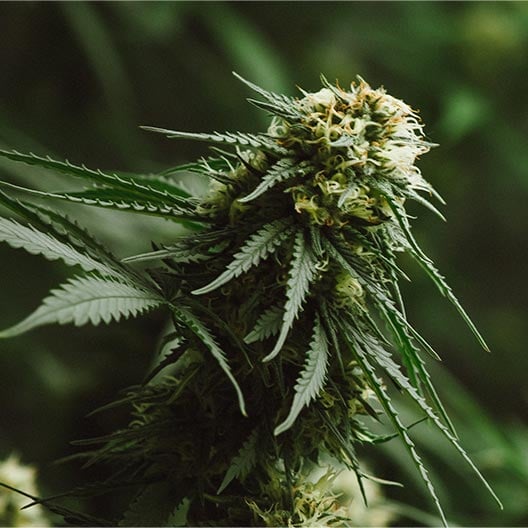
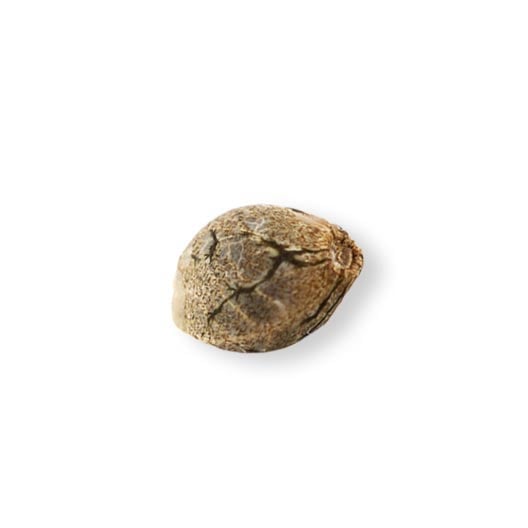
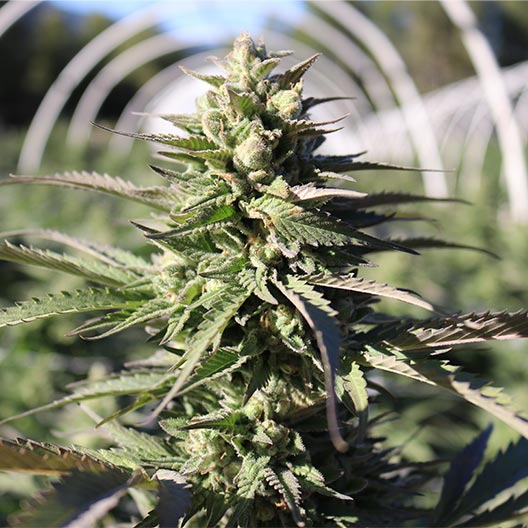
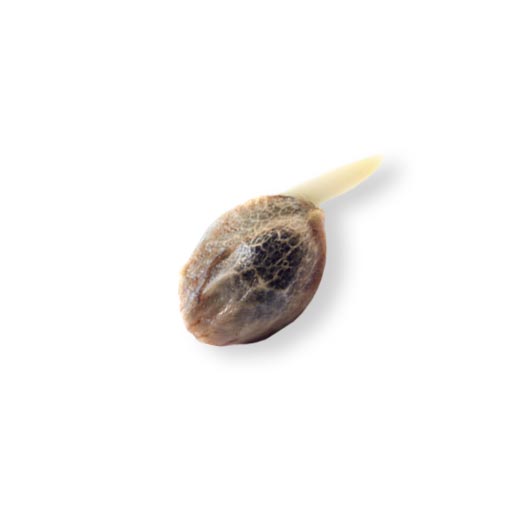
Ever heard of the sea of green method? If you’re looking for a way to pull a big harvest out of a small space and fast, this might be your new favorite technique. Forget growing a few massive plants. With SOG, you grow a bunch of small ones packed tightly together, creating a dense, even canopy of buds that looks exactly like its name suggests: a green sea.
What Is The Sea Of Green Method Anyway?
The whole idea behind the sea of green method, or SOG, is to speed up your grow cycle and make the most of every square inch. You do this by skipping the long vegetative stage that big plants need. Instead, you trigger your plants to flower when they’re still young and small.
It’s all about efficiency. Think of it as running a series of quick sprints instead of one long marathon. By flowering so many plants at once, the canopy fills out in record time, ensuring every bit of light from your grow lamp hits a potential bud site. No wasted light, no wasted space.
Why SOG Became So Popular
The SOG method wasn’t just dreamed up for efficiency; it was born from necessity. It really took off back in the day when growers needed to keep their operations on the down low. A crop of short, quick flowering plants is a whole lot easier to hide than a few towering trees.
This approach changed the game for indoor cultivation, especially for growers trying to maximize tiny, secret spots like closets or small grow tents. The gold standard is often 1 plant per square foot, though you can push it anywhere from a half plant to over two plants per square foot.
In a standard 4×4 tent, for example, you could easily fit 16 plants with just a two week veg time. Feeling ambitious? You could even pack in 36 plants with only one week of veg. It completely flips traditional growing on its head. Instead of chasing a massive yield from one plant, you get a smaller yield from many plants, but the combined total is often much bigger and ready way sooner.
Is SOG Right For Your Grow?
So, is the sea of green method the right move for you? It really boils down to your goals, your space, and your patience.
A few things to think about:
- You want faster harvests: SOG dramatically shortens the time from seed to harvest. This means you can squeeze more grow cycles into a single year.
- Space is limited: If you’re working with a small tent or closet, SOG lets you use every square inch to its full potential.
- You’re using clones or feminized seeds: This method thrives on uniformity. You want all your plants to be the same height and grow at the same rate, which is exactly what you get from clones or our reliable feminized seeds.
To get a clearer picture, let’s break down how SOG stacks up against a more traditional approach.
SOG Method At A Glance
This table breaks down the key differences between a traditional grow and the SOG method, showing you why SOG can be a game changer.
| Feature | Traditional Grow Method | Sea of Green (SOG) Method |
|---|---|---|
| Plant Count | Low (typically 1-4 large plants per 4×4 ft space) | High (typically 9-16+ small plants per 4×4 ft space) |
| Vegetative Time | Long (4-8+ weeks) to grow large plants that fill the space. | Very short (1-2 weeks) to keep plants small and compact. |
| Harvest Time | Slower; one long cycle determines the harvest schedule. | Faster; shorter cycles mean you can fit more harvests into a year. |
| Yield Per Plant | High; each plant produces a large amount of bud. | Low; each plant produces a single main cola with minimal side branching. |
| Total Yield/Space | Can be high, but takes longer to achieve. | Often higher overall yield per year due to rapid turnover. |
| Training Required | Intensive training like topping, LST, and Scrog is common to manage large plant structures. | Minimal training; mostly involves some light defoliation. The density does the work for you. |
As you can see, SOG is a totally different philosophy. It’s a numbers game where more plants and faster cycles lead to impressive results.
SOG is less about growing massive, trophy worthy plants and more about producing a consistent, heavy canopy as quickly as possible. It’s a numbers game where more small plants lead to a bigger, faster payoff.
Ultimately, SOG is a killer technique for home growers who put a premium on speed and efficiency. It demands a bit more work upfront to get all those individual plants set up, but the rapid turnover and hefty yields make it a favorite for a reason.
How To Set Up Your SOG Grow Space
Alright, let’s get your hands dirty and dial in your SOG setup. Nailing this initial phase is everything. When you get the foundation right, from your pots to your lights, the rest of the grow feels like a walk in the park.
It all starts with creating the right home for your plants. This is one of the most critical decisions you’ll make for a killer sea of green harvest.
Picking The Right Pots
When you’re running a SOG grow, you have to completely rethink your approach to pots. Forget those big 5 or 7 gallon containers. For the sea of green method, small pots are non negotiable.
You’ll want to use containers that are between 1 and 2 gallons (or 4 to 8 liters). This might seem tiny, but it’s intentional. The limited root space naturally keeps the plants small and compact, which is exactly what we’re aiming for. A smaller root ball forces the plant to focus its energy on developing a single, dominant main cola instead of a bunch of side branches. This is the entire point of SOG.
Using small pots also allows you to pack more of them into your grow space, which directly leads to that dense, uniform canopy. Bigger pots would just encourage the plants to get too bushy, defeating the purpose and creating a crowded, unmanageable mess.
Figuring Out Plant Density
Now that you have your small pots, how many do you actually need? Plant density is the key to forming your “sea.” The goal is to fill the entire floor of your grow tent with pots, leaving just enough room for them to breathe without wasting a single inch of light.
A solid starting point is one plant per square foot of grow space. It’s a reliable ratio that works well for beginners and experienced growers alike. Of course, you can always tweak this based on your goals and the specific cultivars you’re growing.
Let’s look at some real world examples for common tent sizes:
- 2×2 Tent (4 sq ft): You can comfortably fit 4 plants using the one plant per square foot rule. If you’re feeling bold and have a fast growing cultivar, you could even push this to as many as 9 plants in smaller pots.
- 4×4 Tent (16 sq ft): The standard setup here would be 16 plants. This gives each plant enough personal space to develop a nice central cola without having to compete too much for light.
- 5×5 Tent (25 sq ft): Here, you could easily manage 25 plants, creating a massive, even canopy that will produce a seriously impressive yield.
Remember, the higher your plant density, the shorter your vegetative time needs to be. With lots of plants packed in, they’ll fill the canopy space in as little as a week or two before you flip them to flower.
This high density approach is what makes SOG so fast. You’re not waiting for a few plants to get big; you’re using many small plants to achieve full canopy coverage almost immediately.
Dialing In Your Grow Lights
With so many plants packed together, your lighting setup is super important. You need to ensure every single plant gets an equal amount of light. An uneven light distribution will lead to an uneven canopy, with some plants stretching for light while others fall behind.
Modern LED grow lights are perfect for SOG. They provide an even, full spectrum light spread that can penetrate deep into the canopy. When setting up your light, hang it at a height that gives you the most uniform coverage across the entire grow space. Always follow the manufacturer’s recommendation, but generally, you’ll want the light high enough to cover the corners without creating a “hot spot” in the center.
The goal is to create a flat, level plane of light. This encourages all your plants to grow to the same height, the signature look of a healthy SOG canopy. It’s what turns a bunch of individual plants into a unified, productive sea.
Choosing Your Grow Medium
One of the great things about SOG is its flexibility. It works incredibly well in a variety of grow mediums, so you can stick with what you know or try something new.
- Soil: A high quality potting mix is a fantastic choice, especially for beginners. It’s forgiving and provides a good buffer for nutrients and pH. Just remember, since you’re using small pots, the soil will dry out faster, so you’ll need to water more frequently.
- Coco Coir: Coco is another awesome option. It offers better aeration than soil and gives you more control over feeding, almost like a hydroponic system. It’s a great middle ground that many experienced SOG growers swear by.
- Hydroponics: If you’re running a hydro setup like Deep Water Culture (DWC) or a drip system, SOG can be wildly productive. The rapid growth in hydro systems pairs perfectly with the fast paced nature of the SOG technique, leading to some truly massive harvests.
Regardless of your choice, the key is consistency. Make sure your medium provides good drainage and that you have a solid feeding plan in place. Getting this initial setup dialed in correctly is the first major step toward a killer harvest.
Managing Your Plants Through The SOG Cycle
Alright, your grow space is dialed in, and your little plants are ready to go. This is where the magic of the sea of green method really starts to show. We’re going to walk through the entire lifecycle, from their short veg period all the way to a super efficient harvest day.
The whole process is a sprint, not a marathon. It’s all about getting your plants to the finish line quickly while maximizing that canopy space.
The Super Short Vegetative Stage
With a traditional grow, you might let your plants veg for a month or more. In a SOG setup, we’re cutting that way, way down.
You’re looking at a vegetative stage of just 1 to 2 weeks after the seedlings have established themselves. It feels crazy short, but trust me, it’s the key to the whole system.
The goal isn’t to grow big, bushy plants. It’s to get them just big enough to form a single, solid main cola. You’re aiming for your plants to reach a height of about 6 to 10 inches before you make the switch. At this point, they’ll be sturdy enough to support a nice bud but small enough to stay in their lane.
Waiting too long to flip is a classic rookie mistake. If you let them get too big, they’ll start competing for light and space, and your nice, even sea will turn into a chaotic jungle.
Flipping The Switch To Flower
Once your little army of plants hits that sweet spot in height, it’s time to trick them into thinking winter is coming. This means flipping your light schedule to 12 hours of light and 12 hours of uninterrupted darkness. This change in photoperiod is the trigger that tells your plants to stop vegging and start flowering.
This is a huge advantage for SOG growers. A shorter veg time means less electricity used and, more importantly, a much faster turnaround time between harvests. You can fit way more cycles into a year compared to a traditional grow.
For those of you growing autoflowers, you can kind of just chill. Autoflowering cultivars from our catalog, for example, will start flowering on their own, regardless of the light schedule. You can just keep them on an 18/6 light cycle from start to finish, which makes things even simpler.
Keeping Your Canopy In Check
One of the best things about SOG is how low maintenance it is compared to other techniques. You don’t need to do any topping or intense training. The goal is to let each plant focus all its energy on that one main cola.
However, a little bit of trimming, or defoliation, can make a big difference. As the plants start to stretch in early flower, you’ll want to clean up the lower parts of the plant.
Here’s a simple approach to defoliation:
- Remove Lower Fan Leaves: Any large fan leaves near the bottom of the plant that are being shaded by the canopy can go. They aren’t getting much light anyway and are just blocking airflow.
- Clear Out Small Bud Sites: Snip off any tiny, wispy branches or bud sites near the base of the plant. These will never amount to much and just steal energy from the main cola. This is often called “lollipopping.”
- Don’t Go Overboard: Be selective. Only remove leaves that are actively blocking light from reaching the developing buds below. You want to leave enough foliage for the plant to perform photosynthesis effectively.
Proper trimming ensures that all the plant’s resources go directly to the top colas, where you want them. It also massively improves air circulation through your dense canopy, which helps keep things healthy.
Watering And Feeding Your Sea
With so many plants packed into small pots, your watering and feeding strategy needs a slight adjustment. Those little 1 or 2 gallon pots will dry out much faster than larger containers, so you’ll need to check on them more frequently.
Consistency is key here. You want to avoid the wet dry cycle from getting too extreme.
A drip irrigation system can be a lifesaver in a SOG setup, delivering a consistent amount of water and nutrients to every plant automatically. It takes some setup, but it saves a ton of time and ensures every plant gets exactly what it needs.
When it comes to feeding, start with a balanced nutrient solution and pay close attention to your plants. Because they are in a rapid growth cycle, they can be hungry, but their small root systems mean they are also sensitive to overfeeding. It’s always better to start with a slightly weaker nutrient mix and gradually increase the strength as needed.
Pro Tip: Keep your nutrient reservoir well mixed and your pH levels stable. In a high density grow, an issue with your water or feed can affect all your plants at once, so staying on top of it is crucial.
Timing Your Harvest Perfectly
After a relatively short flowering period, you’ll reach the best part: harvest day. With the SOG method, this is incredibly streamlined. Since all your plants are the same cultivar and were flipped to flower at the same time, they should all mature right around the same time.
Your main colas will be ripe for the picking in a single, efficient session. Look for the classic signs of ripeness: the pistils have darkened and curled in, and the trichomes have turned from clear to a milky white or amber color when viewed under magnification.
Because you’re just harvesting one main cola per plant, the trimming process is also way faster. There’s very little “larf” or small, airy buds to deal with. Just snip, trim, and hang. It turns what can be a multi day chore into a quick and satisfying afternoon. This efficiency is the ultimate payoff of the sea of green method.
Understanding Your Potential SOG Yield
Alright, let’s get to the good part: the payoff. After all the setup and careful tending, the number one question on every grower’s mind is, “How much am I actually going to get?” With the sea of green method, the answer is pretty impressive, but you have to shift how you think about yield.
Forget measuring your harvest per plant. That’s the old school way of thinking. With SOG, the metric that truly matters is grams per square foot. Since you’re using a bunch of smaller plants, the individual yield is low, but the collective harvest from your packed canopy is where the magic really happens.
Setting Realistic Yield Expectations
So, what kind of numbers are we talking about here? Experienced growers who have their SOG systems dialed in can consistently pull between 50 to 75 grams per square foot. That’s a solid benchmark to aim for.
Let’s break that down for a couple of common grow tent sizes to see what it looks like in the real world.
- A 2×2 Tent (4 sq ft): If you hit the lower end of that range, say 50 grams per square foot, you’re looking at a total harvest of around 200 grams. That’s a fantastic haul from such a tiny footprint.
- A 4×4 Tent (16 sq ft): In a larger space, the numbers get even better. At 50 grams per square foot, you could harvest 800 grams. If you really nail your technique and hit 75 grams per square foot, you’re talking about a massive 1,200 grams.
These numbers show exactly why SOG is such a powerhouse. The rapid turnover means you can pull harvests like this several times a year, seriously boosting your annual total.
How Plant Density Affects Your Total
The number of plants you pack into your space directly impacts how quickly you can achieve these yields. A higher density lets you flip to the flowering stage much sooner, which is the whole point of the SOG method.
For example, yield metrics show that the sea of green method is a game changer for efficient growing, consistently hitting 50-75 grams per square foot. In a 2×2 grow area (4 sq ft), you could grow 4 plants with a 2 week veg time. But if you push it to 9 plants, you might only need about 1 week of veg to fill the same space, speeding up your entire cycle.
Each of those plants might only produce 20-50 grams on its own, but together, they create a heavy, uniform canopy. To see more numbers behind SOG efficiency, check out these insights on how to do a sea of green for cannabis.
The key takeaway is that SOG isn’t about growing individual monster plants. It’s a strategy where the whole is much greater than the sum of its parts, leading to bigger, faster harvests overall.
The Cultivar’s Role In Pushing Numbers
Your choice of seeds plays a huge part in hitting those top tier yield numbers. Not all cultivars are created equal, especially when it comes to the sea of green method. You’re looking for specific traits that thrive in this kind of high density environment.
The ideal SOG plant is one that naturally wants to grow a big, dense main cola with very little side branching. Think of a classic “spear” or “Christmas tree” structure. These cultivars pour all their energy vertically, which is exactly what you want when you have dozens of them packed shoulder to shoulder.
Indica and Indica dominant hybrids are usually perfect for this. They tend to stay short, grow dense buds, and have fast flowering times, ticking all the boxes for a successful SOG grow. Trying to run a stretchy, branchy Sativa in a SOG setup will just lead to a tangled, unmanageable mess and a seriously disappointing harvest. Starting with the right genetics from the get go is half the battle.
Choosing The Best Cultivars For SOG

Alright, let’s get into what is probably the most critical decision for your SOG grow: picking the right seeds. Honestly, your success with the sea of green method is almost entirely dependent on starting with the right genetics. You can have a flawless setup, but if your plants aren’t cut out for this style, you’re just setting yourself up for a headache.
Think of it like this: you wouldn’t try to fit a square peg in a round hole. You need cultivars that are naturally built for a crowded, fast paced environment.
Feminized Seeds Are A Must
First things first: using feminized seeds is pretty much non negotiable for a SOG. We only carry feminized and autoflower seeds here at Pacific Seed Bank for a reason, and grows like this are a perfect example of why. In a high density setup, you absolutely cannot risk a male plant sneaking in.
Just one male can pollinate your whole crop, turning that gorgeous, dense canopy of buds into a frustrating sea of seeds. It’s a total disaster. With feminized seeds, you’re guaranteed an all female grow, so you can just focus on cultivation without the stress.
Autoflowers Are Perfect For SOG
Another fantastic option to consider is autoflowers. These cultivars are a grower’s dream for the SOG model. They have a natural tendency to stay small and compact, which is exactly what this method calls for. On top of that, their lifecycle is incredibly quick from seed to harvest.
The real magic of autoflowers? They don’t depend on a change in the light schedule to start flowering. They just switch over on their own after a few weeks. This simplifies the entire process and perfectly aligns with the SOG philosophy of speed and efficiency.
What To Look For In A SOG Cultivar
When you’re browsing seeds, you have to be a bit selective. You’re looking for plants with a few specific traits that allow them to thrive when packed in tight.
Here are the key characteristics for a SOG friendly plant:
- A Dominant Central Cola: You want plants that naturally grow in a “Christmas tree” or spear like shape. They should pour all their energy into one big, beautiful main cola.
- Minimal Side Branching: Bushy plants are the enemy of a smooth SOG grow. Cultivars that don’t stretch out sideways are ideal because they won’t fight their neighbors for light and space.
- Fast Flowering Time: The whole point of SOG is speed. Look for cultivars with a short flowering period, typically in the 7-9 week range.
- Uniform Growth: Consistency is key. You need all your plants to grow at roughly the same rate and height to maintain that perfect, even canopy.
As a general rule, Indica and Indica dominant hybrids are going to be your best friends here. They tend to be short, stout, and quick to flower, the perfect trifecta for a sea of green.
Top Cultivars for Your SOG Grow
To make things easy, here are a few cultivars from our catalog that customers have had awesome success with using the SOG method. This quick reference guide highlights some of our best feminized and autoflower seeds that are perfect for a sea of green grow.
| Cultivar Name | Type | Key SOG Trait | Flowering Time |
|---|---|---|---|
| Northern Lights | Feminized | Classic Indica structure with a massive main cola. | 7-9 Weeks |
| Blueberry | Autoflower | Stays super compact and flowers incredibly fast. | 8-9 Weeks |
| White Widow | Feminized | Very uniform growth and produces dense, resinous colas. | 8-9 Weeks |
| OG Kush | Autoflower | Develops a strong central stem with minimal side growth. | 8-9 Weeks |
Picking a cultivar that’s naturally suited for SOG is like starting a race with a massive head start. It makes the entire process smoother and sets you up for a much heavier and faster harvest.
These cultivars are proven winners for SOG because they check all the right boxes. They stay a manageable size, focus their growth vertically, and finish up quickly. Starting with seeds like these takes a lot of the guesswork out of the equation and puts you on the fast track to SOG success.
What to Do When Your SOG Grow Goes Wrong
Even the most meticulously planned SOG grow can hit a few bumps. Don’t sweat it. Most problems that pop up with the sea of green method are surprisingly simple to sort out once you know what you’re looking for. Let this be your go to guide for keeping the grow running without a hitch.
The biggest headache you’ll likely run into is airflow. When you pack plants that close together, the air down in the lower canopy can get pretty thick and stagnant. This is a recipe for disaster, creating the perfect humid breeding ground for mold and mildew.
An easy fix is to add a couple of small oscillating fans. I like to place one blowing gently across the top of the canopy and another aimed underneath to get the air circulating around the base of the plants. It makes a world of difference.
Keeping Pests and Canopy in Check
Where there’s poor airflow, pests are usually not far behind. A dense, humid canopy is basically a five star resort for spider mites and other annoying critters. The best defense here is a good offense.
Keeping your grow space impeccably clean and managing humidity are your first lines of defense. Also, a simple but effective trick is to make sure your intake vents have filters to stop pests from just waltzing right in.
Another common hiccup is an uneven canopy. It happens. One or two plants just get a little more ambitious than their neighbors and start to stretch for the light. When they do, they can throw a shadow over the surrounding plants, messing up your beautiful, even sea.
The whole point of SOG is a flat, uniform surface. A single tall plant can disrupt the entire system. Keeping everything level is non negotiable for ensuring every single plant gets equal light and develops a solid, respectable cola.
If a plant starts shooting up past the others, you’ve got a couple of moves:
- Move It: The simplest solution is often the best. Just shift the taller plant to the edge or a corner of your grow tent where it won’t cast a shadow on anyone else.
- Give It a Boost: On the flip side, if you have a few shorter plants lagging behind, you can just slide something under their pots to raise them up to the same height as the rest of the canopy.
By staying on top of airflow and wrangling any runaway plants, you can easily handle the most common issues in a SOG grow. It really just comes down to making small, consistent adjustments to keep your green sea healthy, happy, and productive.
Ready to create your own high speed, high yield SOG garden? Pacific Seed Bank has the feminized and autoflowering seeds that are perfect for the job. Take a look at our massive selection and find the ideal strain for your sea of green at https://pacificseedbank.com.
FAQs
Can I Use Autoflower Seeds for the SOG Method?
You absolutely can, and honestly, they’re a perfect match. Autoflowers are practically made for the SOG method.
Their naturally compact size and ridiculously fast life cycle line up perfectly with the whole SOG philosophy of speed and turnover. The best part? You don’t have to mess with light schedules to trigger flowering, which simplifies the entire process even more. It’s a great way to get your feet wet.
Do I Need to Top My Plants in a SOG Grow?
As a general rule, no, you don’t. Topping is pretty much counterproductive in a SOG grow.
The entire goal is to channel all of the plant’s energy into developing a single, massive main cola. When you top a plant, you’re encouraging it to get bushy and produce multiple main colas, exactly what you’d want for a SCROG, but the opposite of what we’re aiming for here. Just let them do their thing and grow vertically.
What’s the Difference Between SOG and SCROG?
This one causes a ton of confusion, but the distinction is actually pretty simple. It all comes down to the number of plants you’re working with and how you train them.
SOG (Sea of Green): This method is all about quantity over training. You pack a bunch of small plants into a space and flip them to flower early. The idea is to create a dense, even canopy of single cola plants, getting you to harvest day as quickly as possible.
SCROG (Screen of Green): Here, it’s the opposite. You use just a few plants and spend a lot more time training them. You’ll let them veg for much longer, weaving their branches through a screen or net to create a wide, flat, and totally even canopy.
The easiest way to remember it is this: SOG uses many plants for a fast harvest, while SCROG uses a few plants trained for maximum canopy coverage. Both get you a great canopy, but they take very different roads to get there.