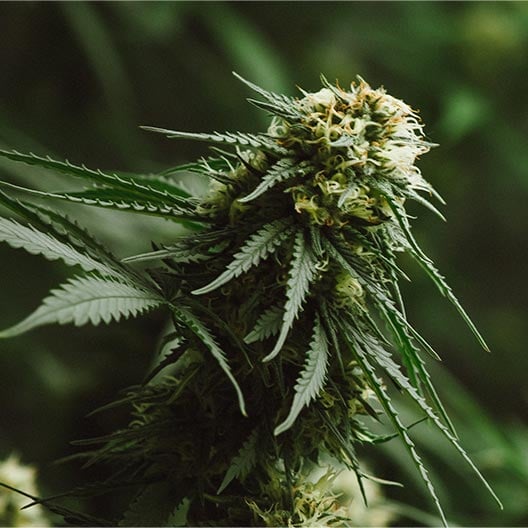
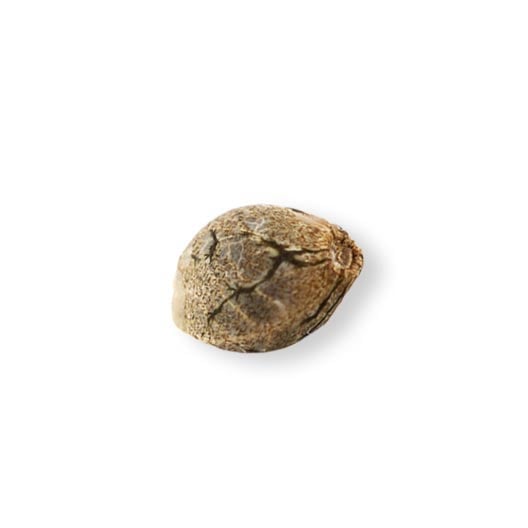
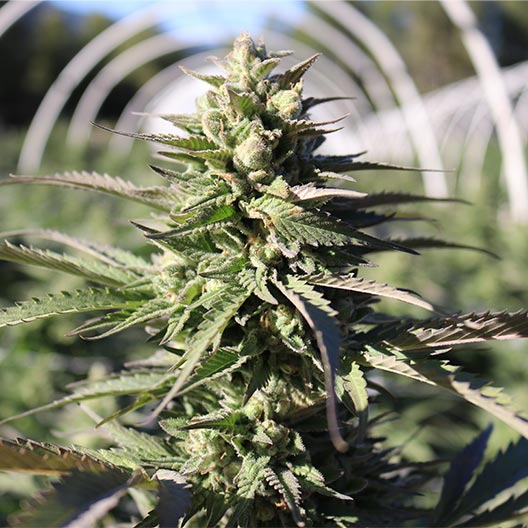
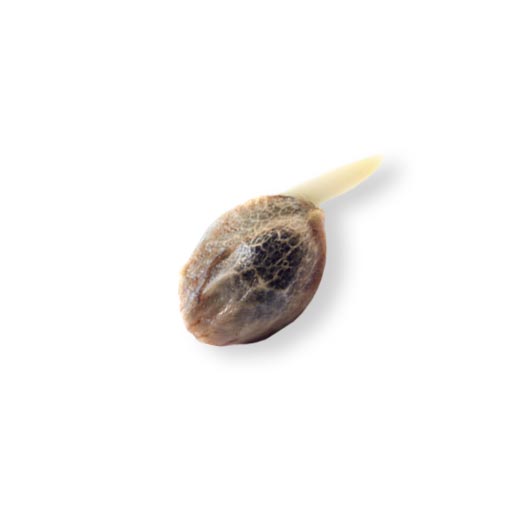
Let’s get right into it. The single biggest difference in the autoflowering vs photoperiod debate is what makes them start making buds. Photoperiod strains are the old-school classics. They need a specific light schedule, usually 12 hours of pure, uninterrupted darkness, to kickstart their flowering phase. Autoflowers, on the other hand, march to the beat of their own drum. They flower based on age, not light.
What’s The Real Difference Between Autoflower And Photoperiod Cultivars?
When you’re picking out seeds, this is everything. It shapes your entire grow, from the timeline and setup right down to the final harvest weight.
Photoperiod plants put you in the driver’s seat. Because they won’t flip to flower until you switch the lights from 18+ hours a day down to a strict 12/12 schedule, you can keep them in their vegetative state for as long as you want. Got the space and patience? You can grow some absolute monsters.
Autoflowers are built for speed and simplicity. They’re hardwired to start flowering after just a few weeks, usually around week 3 or 4, no matter the light cycle. This means you can get from seed to harvest in as little as 8 to 10 weeks. If you want a full breakdown, our guide on what autoflowering marijuana seeds are explains it all.
The Core Distinction
So, what does this actually mean for you, the grower? It all comes down to control. With photoperiods, you are the master of the light schedule. With autoflowers, the plant calls the shots on timing.
The key takeaway is simple: Photoperiod cultivars are light dependent, flowering in response to shorter days. Autoflowers are age dependent, flowering automatically after a set amount of time.
This single genetic quirk creates two completely different growing experiences. Choosing the right one is all about matching the plant’s nature to your goals, your grow space, and how hands on you want to be.
| Feature | Autoflowering Cultivars | Photoperiod Cultivars |
|---|---|---|
| Flowering Trigger | Based on age; automatic | Based on light cycle change (12/12) |
| Grower Control | Limited; plant dictates timeline | High; grower controls veg time |
| Total Lifespan | Fast (8-10 weeks seed to harvest) | Slower (4+ months common) |
| Best For | Beginners, quick harvests, small spaces | Experienced growers, cloning, large yields |
Understanding The Genetics Behind Autos And Photos
So, why do autoflowers and photoperiods behave so differently? It’s all in their family tree. Their unique genetics are the reason one is on a strict internal timer and the other needs you to flip the light switch.
Think of it like this: every plant has a genetic blueprint telling it how to grow. For photoperiod cultivars, that blueprint comes from two famous parents: Cannabis indica and Cannabis sativa. These are the classic lineages you’ve probably heard about, originating from regions with distinct seasonal light changes.
Autoflowers, on the other hand, have a secret weapon in their DNA. They get their “automatic” flowering trait from a tough, wild relative called Cannabis ruderalis. This hardy plant evolved in the harsh climates of places like Siberia, where summers are short and the sun works on a weird schedule. To survive, it had to learn to flower based on age, not a changing light cycle.
The Ruderalis Influence
Clever breeders figured out they could cross the resilient, fast flowering ruderalis with popular indica and sativa cultivars. The goal was to keep all the good stuff from the photoperiod parent, like flavor and potency, but give it that special autoflowering gene.
This crossbreeding is how modern autoflowers were born. They get their size, flavor, and effects from their indica or sativa side, but their internal clock comes directly from their ruderalis heritage.
An autoflower’s ability to flower automatically is a direct inheritance from its Cannabis ruderalis ancestor. This single genetic trait is the key difference that sets it apart from photoperiod cultivars.
This genetic mashup is why early autoflowers were often small and less potent. But breeders have spent years refining this process. Now, the ruderalis influence is just enough to control the flowering trigger without sacrificing the quality you’d expect from top shelf photoperiods.
Photoperiod Lineage: Sativa And Indica
Photoperiod cultivars, without the ruderalis gene, stick to their traditional roots. Their flowering is triggered by the shortening days of late summer and fall, a trait passed down from their sativa and indica parents. This is why indoor growers have to manually change the light cycle to a 12/12 schedule to mimic this natural signal.
This light dependency gives you, the grower, a ton of control. You can decide exactly how long the plant stays in its vegetative growth stage, which directly impacts its final size and potential yield.
- Sativa-dominant cultivars: Often grow tall and lanky with longer, thinner leaves. They evolved in equatorial regions with long, consistent days.
- Indica-dominant cultivars: Tend to be shorter and bushier with broad leaves, hailing from mountainous regions with more defined seasons.
Because we only sell feminized seeds at Pacific Seed Bank, you get the best of both worlds. Whether you choose an autoflower or a photoperiod, you’re getting cultivars bred specifically to produce buds without the hassle of male plants.
The global cannabis seeds market is booming, and autoflowering seeds are a huge part of that growth because they are so user friendly. Their popularity is a testament to the success of modern breeding. You can check out the full cannabis seeds market report for more details on these trends.
Comparing Grow Timelines From Seed To Harvest
When you’re mapping out a new grow, the first question is almost always, “How long is this going to take?” The answer hinges entirely on whether you choose autoflowering or photoperiod seeds. Their timelines are worlds apart and will dictate your entire cultivation calendar.
Think of autoflowers as the sprinters of the cannabis world. They run on a fixed schedule that you can’t really influence. From the moment the seed sprouts, an internal clock starts ticking, pushing them from germination to harvest in as little as 8 to 10 weeks.
Photoperiods, on the other hand, are the marathon runners. They hand you complete control over the vegetative stage, but this flexibility comes with a much bigger time commitment. You could veg a plant for a month or for six months, it’s your call, but the total grow cycle is always significantly longer than an auto’s.
The Autoflower Sprint From Start To Finish
The autoflower timeline is refreshingly simple and predictable. Because they start flowering based on age, not light, you can pretty much map out the entire grow from day one. This predictability is perfect if you’re chasing a fast turnaround or need to squeeze in a harvest before the seasons change outdoors.
Once your seeds pop, you can find tips in our guide to germinate seeds quickly, the race begins. The first 3 to 4 weeks are all about vegetative growth, where the plant builds its frame. After that, it flips itself into the flowering stage automatically, no light schedule change required.
The flowering stage itself wraps up in another 5 to 7 weeks. By the time you hit week 10, you’re often getting ready to chop. This incredible speed is one of the biggest reasons growers choose autos.
The Photoperiod Marathon And Grower Control
With photoperiod cultivars, you are the one holding the stopwatch. The vegetative stage can last as long as you want it to. A common indoor approach is to veg for 4 to 8 weeks, but many growers push it much longer to cultivate massive, high yielding plants.
When your plant reaches the desired size, you’re the one who triggers flowering. You do this by switching your lights to a 12/12 schedule, that’s 12 hours of light followed by 12 hours of complete, uninterrupted darkness. This light cue is what tells the plant it’s time to start making buds.
Flowering for photoperiods can take anywhere from 8 to 12 weeks, and sometimes even longer for certain sativa dominant cultivars. All in, a typical photoperiod grow can easily stretch out to 4 or 5 months from seed to harvest.
The biggest difference in timelines comes down to control versus speed. Autoflowers give you a fast, predictable harvest. Photoperiods give you the control to veg for bigger plants, but it demands a much longer commitment.
So, what does this look like in a side by side breakdown?
Autoflower vs Photoperiod Typical Grow Timeline
This table gives you a clear look at how the average timelines stack up for each plant type, from the first sprout to the final chop.
| Growth Stage | Autoflower Timeline | Photoperiod Timeline |
|---|---|---|
| Germination & Seedling | 1-2 weeks | 1-2 weeks |
| Vegetative Stage | 2-3 weeks (Automatic) | 4-8+ weeks (Grower controlled) |
| Flowering Stage | 5-7 weeks | 8-12+ weeks |
| Total Time To Harvest | 8-10 weeks | 13-22+ weeks |
Seeing the numbers laid out makes the choice much clearer. If you want a quick, reliable cycle and the ability to pull multiple harvests a year, autoflowers are a no brainer. But if you have the patience and space to grow huge plants and want to fine tune every single stage of growth, photoperiods offer that creative freedom.
Yield, Potency, and The Modern Grower

Let’s get down to what really matters in the autoflower vs. photoperiod debate: the final results. How much can you expect to harvest, and what’s the quality of the final product? For a long time, this wasn’t even a fair fight. Photoperiods were the undisputed heavyweight champs in both yield and potency. No contest.
But times have seriously changed. Modern breeding has completely leveled the playing field, and the old idea that autoflowers are weak, low yielding plants is totally outdated. Today’s autos are a whole different beast.
The Big Yield Question
Historically, if you wanted a massive harvest, you grew photoperiods. It makes sense, their longer, controllable vegetative stage allows them to grow into huge, bushy plants capable of producing some seriously heavy colas. It’s simple math: bigger plants generally mean bigger yields.
However, the game has shifted in a big way. Modern autoflower genetics have closed the yield gap dramatically. While a well grown photoperiod indica might pull 400–600g/m², many of today’s top tier autos are hitting a very competitive 350–400g/m². Some elite autoflowering cultivars can even rival photoperiods when grown in the right conditions. You can check out our guide to the highest yielding cannabis strains for more info.
The conversation is no longer about which type is “better,” but which is better for your specific situation. Photoperiods still hold the crown for the maximum potential yield per plant, especially if you have the space and time to let them veg out for a while. But for growers aiming for multiple quick harvests per year, a crop of high yielding autos can easily outproduce a single, long photoperiod run.
Photoperiods offer the highest potential yield per plant due to their customizable veg time. Modern autoflowers, however, offer impressive yields on an accelerated timeline, often allowing for more total harvests in a single year.
Potency: The New Reality
Yield is one thing, but potency is what a lot of growers are really chasing. This is another area where the old stereotypes have been completely shattered. Ten years ago, you’d be lucky to find an auto that broke 15% THC. They just didn’t have the genetic muscle.
Today, that’s ancient history. Thanks to expert crossbreeding, it’s common to find autoflowering cultivars that consistently test over 20% THC, putting them right on par with many popular photoperiods. Some of the latest “super autos” are even pushing past 25%. Honestly, if you blind tested a top shelf modern auto against a quality photoperiod, you probably couldn’t tell the difference based on effects alone.
That said, photoperiods still have a slight edge at the very highest end of the spectrum. The most potent cultivars in the world, the ones hitting 30% THC or more, are almost always photoperiods. Their longer lifecycle and the grower’s ability to fine tune every environmental factor give them more time and opportunity to maximize cannabinoid production.
This gives the photoperiod grower a unique level of control. You can manipulate the light spectrum and intensity during flowering to influence everything from bud density to terpene profiles. This hands on approach is a major draw for cultivators who love to experiment and push a plant to its absolute genetic potential.
Which Type Is The Right Fit For Your Grow
Okay, we’ve covered a lot of ground comparing autoflowering and photoperiod cultivars. Now for the most important question: which one is actually right for you? The best choice really boils down to your experience, your setup, and what you’re hoping to achieve.
There’s no single “best” type of seed. It’s all about matching the plant’s personality to your own situation. Let’s break it down into some real world scenarios to help you find your perfect match.
Autoflowers: The Go-To for Simplicity and Speed
Autoflowers are a fantastic starting point if you’re new to growing. Their automatic flowering trait takes one of the trickiest variables, light cycles, completely out of the equation. You don’t have to stress about flipping lights at the perfect time; the plant just does its thing.
This makes them incredibly forgiving for first timers. You can focus on the basics like watering and feeding without the extra pressure.
They’re also the champs of small scale and stealth growing.
- Limited Space: Got a small tent, a closet, or just a corner of a room? The compact size of most autos is a huge advantage. They typically stay short and manageable, making them perfect for tight quarters.
- Short Summers: If you’re growing outdoors where the good weather doesn’t last long, autoflowers are your best friend. Their rapid seed to harvest time means you can pull down a full crop before the fall chill sets in.
- Quick Harvests: Need a fast turnaround? Autoflowers are sprinters. You can go from seed to harvest in as little as eight weeks, letting you squeeze in multiple grows in the time it takes to finish one photoperiod plant.
If your top priorities are ease of use, a quick harvest, or fitting a grow into a small space, autoflowers are almost always the right call. They simplify the process so you can get great results without a complicated setup.
Photoperiods: The Choice for Control and Massive Yields
On the other side of the coin, photoperiod cultivars are for the grower who wants total control and is chasing monster yields. If you love getting hands on with your plants and have your environment dialed in, photoperiods give you the creative freedom to grow some truly impressive plants.
The key benefit here is the customizable vegetative stage. You decide exactly how big the plant gets before you flip the lights to a 12/12 schedule. This control opens up a world of possibilities.
Consider photoperiods if this sounds like you:
- You Love Training: Techniques like topping, FIMing, and ScrOG (Screen of Green) really shine with photoperiods. The extended veg time gives the plant plenty of time to recover and grow into the exact shape you want, maximizing light exposure and bud sites.
- You Want the Biggest Yields: While modern autos have come a long way, photoperiods still hold the record for maximum harvest potential per plant. A long vegetative period allows you to grow a massive plant, which translates to a seriously heavy harvest.
- You Plan to Keep Clones: Found a plant you absolutely love? Photoperiods are the only way to keep a “mother plant.” You can keep a mother in a permanent vegetative state (18+ hours of light) and take clones from it indefinitely, giving you a perpetual supply of your favorite genetics.
Potency used to be a major dividing line, but that gap has closed significantly. Historically, photoperiod cultivars dominated with 20–27% THC, while autos often lagged below 20%. Modern breeding has changed the game, with top tier autoflowers now easily hitting 21% THC or more.
Still, photoperiods offer unique control; for instance, growers can manipulate the light cycle to boost CBD yield by 50–100% in certain cultivars. If you want to learn more, check out these insights on how light cycles affect cannabinoids on emeraldharvest.co. This level of fine tuning is a huge draw for growers who like to experiment.
Choosing Your Seeds At Pacific Seed Bank
Okay, you’ve got the full story on the whole autoflowering vs photoperiod debate. Now for the best part: picking out the perfect seeds for your setup. Here at Pacific Seed Bank, we like to keep things straightforward. We only carry fully feminized autoflowering and photoperiod seeds, so you can ditch the headache of weeding out male plants and get straight to growing killer buds.
Let’s put all that theory into practice and connect it to the seeds you can actually get your hands on today. Consider this your personal cheat sheet for picking the right genetics based on your goals, your space, and just how much time you want to be spending in the grow room.
Go with Autoflowers If You Want Speed and Simplicity
Looking for the most direct route from seed to stash? Want a grow that’s as chill and low stress as possible? If you’re nodding your head, our autoflowering seeds are definitely calling your name.
Autos are a fantastic pick for growers who put a premium on a quick turnaround. Their whole life is a sprint, often wrapping up from seed to harvest in just 8 to 10 weeks. This is a massive advantage in a few key scenarios:
- First Time Growers: Autoflowers are incredibly forgiving. Since you don’t have to stress about changing light schedules to kickstart flowering, one of the biggest hurdles for beginners is completely removed.
- Small or Stealthy Setups: Their naturally compact stature makes them a perfect fit for grow tents, closets, or even a sneaky spot on a balcony.
- Outdoor Growers with Short Summers: If your growing season is more of a suggestion than a guarantee, autos let you pull off a full harvest before the bad weather rolls in.
For a hassle free experience that delivers quality results without the wait, autoflowers are a no brainer. They essentially put the grow on autopilot, letting you focus on the fundamentals and just enjoy the process.
If this sounds like your kind of grow, you can’t go wrong with some of our best sellers. Cultivars like Gorilla Glue Auto or Girl Scout Cookies Auto are legendary for being easy to manage while still pumping out potent, flavorful buds that absolutely rival their photoperiod parents.
Choose Photoperiods for Maximum Control and Huge Yields
Maybe you’re the type of grower who loves getting their hands dirty. You want to train your plants, push yields to the limit, and have total command over every single stage of growth. If that’s your style, then our photoperiod seeds are where the action is.
Photoperiods are for the cultivator who has their environment dialed in and is ready to grow some absolute monsters. The biggest game changer here is the unlimited vegetative time. You are in the driver’s seat, deciding exactly how massive your plants get before you flip the lights to a 12/12 schedule. This opens up a world of advanced techniques and, frankly, epic harvests.
You should grab photoperiod seeds if:
- You’re Chasing Massive Yields: It’s simple math. A longer veg time equals a bigger plant, and a bigger plant means a much heavier harvest.
- You Want to Use Training Techniques: Methods like topping, ScrOG, and LST are most effective with photoperiods because the plants have all the time they need to recover and grow into your desired shape.
- You Plan on Cloning: If you find a “keeper” plant with amazing genetics, photoperiods are the only way to create a mother plant for an endless supply of clones.
For growers ready to embrace the craft, legendary photoperiods like our Green Crack or Blue Dream offer the genetic roadmap for truly spectacular results. They reward patience and skill with enormous yields of top shelf flower. At the end of the day, your choice between autoflowering vs photoperiod really just comes down to what kind of grower you want to be.
Of all the questions we get about growing, the autoflower vs. photoperiod debate sparks the most confusion. And we get it, picking the right genetics is one of the most important decisions you’ll make for your grow.
Ready to find the perfect seeds for your next grow? Pacific Seed Bank has a massive selection of top tier autoflowering and feminized photoperiod cultivars to match any setup. Explore our full catalog at https://pacificseedbank.com.
FAQs
What’s the Best Light Schedule for Autoflowers?
This is probably the number one question people ask. The magic of autoflowers is that they don’t actually need a specific light schedule to start flowering. It’s their main claim to fame, they’ll start budding no matter what you do with the lights.
That said, to get the biggest plants and best yields, you want to give them plenty of light. Most growers run their lights for 18-20 hours a day, straight through from seedling to harvest. More light equals more energy for growth. Some even go for a full 24 hour cycle, though others argue a short dark period gives the plants a beneficial rest.
Can You Clone an Autoflower?
The short answer is no, not really. While you can technically snip a cutting from an autoflowering plant and get it to root, it’s a pointless exercise. The reason comes down to the plant’s internal clock, which cloning doesn’t reset.
Your clone will be the exact same age as the mother plant it came from. Since autoflowers are on a fixed, short timeline, that new clone is already well on its way to flowering. It will never have time to grow into a plant worth harvesting.
So, for all practical purposes, you can’t clone autoflowers. If you want a perpetual harvest of a single cultivar, you’ll need to keep a photoperiod mother plant.
Do You Train Autos and Photos Differently?
Absolutely, and this is a crucial distinction. Photoperiod plants are tough, they can handle high stress training (HST) techniques like topping or supercropping like champs. Because you decide when they flip to flower, you can give them all the time they need to recover and grow back even stronger.
Autoflowers don’t have that luxury. Their short, predetermined lifecycle means there’s no time to bounce back from major stress. An HST technique that would benefit a photo can permanently stunt an auto, as it will flip to flower before it has a chance to recover.
For autos, the golden rule is to stick with low stress training (LST) only. This involves gently bending and tying down branches to create a more even canopy, exposing more bud sites to light without hurting the plant.