


Description
If you can’t settle on one marijuana strain, reach for Mexican Haze marijuana seeds! This strain is a melting pot of different influences, including Jack Herer (the marijuana kind — not the actor), Acapulco Gold, and Haze. Mexican Haze is well-rounded enough to meet everybody’s needs and be a real crowd pleaser at parties. This marijuana strain is highly popular amongst seed banks for its explosive cerebral high. In fact, Mexican Haze won a prize at the 2013 Highlife Cup in the Haze Hydro category. #Winning
This sativa-dominant strain gives you the perfect daytime high. Whoever said stoners can’t get any work done clearly wasn’t talking about Mexican Haze. After a few hits of this powerful stuff, you’ll feel immediately awakened and alert. If deadlines are coming up, use this strain to help boost your focus, clarity, and productivity. In many cases, people turn to Mexican Haze when they’re feeling stuck. This stuff can naturally increase your creativity and expand your mind to feel re-inspired by the same project you’ve been working on for weeks.
Mexican Haze marijuana seeds are typically grown indoors but are capable of thriving outdoors under sunny and warm climates. If this is a strain you’d like to grow, keep in mind that it grows tall very quickly and needs a fair amount of ceiling room. A cramped basement won’t cut it! If you’ve been feeling stuck in a creative rut with work, we highly recommend choosing Mexican Haze marijuana seeds. Try them today — you won’t regret it!


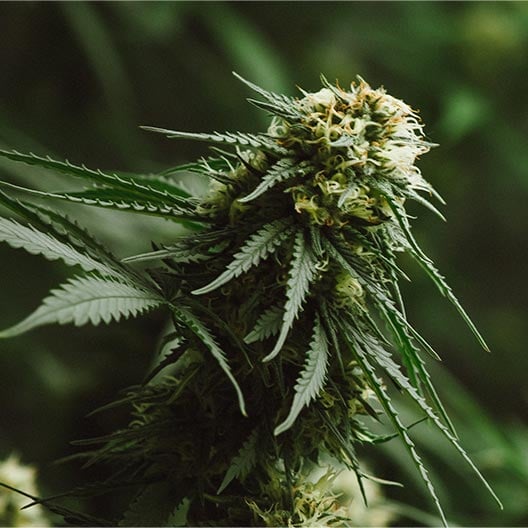
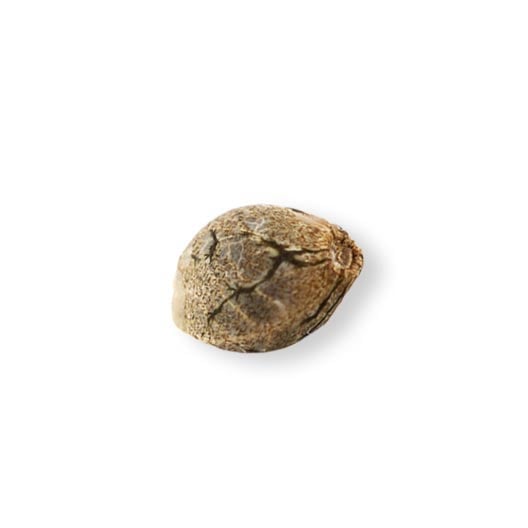

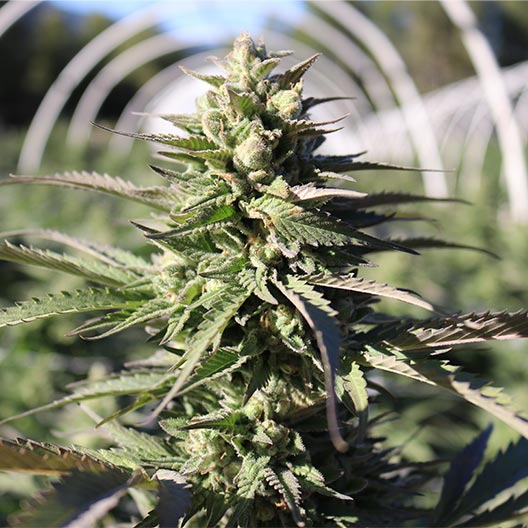
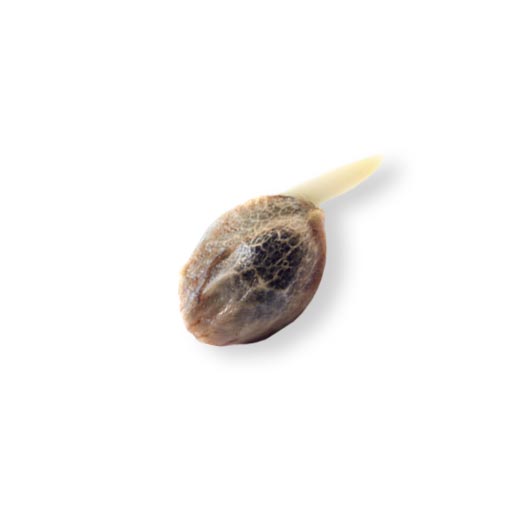


Gradually the grow shifted from simple green vigor into a much more aromatic and polished finish. A small lesson from this run was to let the growth pattern reveal itself; once I settled into that approach, the later stages stayed enjoyable.
Meanwhile the aroma kept developing in the background while the flowers became more visually polished. A small lesson from this run was to give the plant time to settle; once I settled into that approach, I could focus on observation instead of constant fussing. Dealing with one clumsy adjustment taught me to stop over-managing small changes, and the grow stayed positive afterward. What I remembered most after cure was a mellow earthy note with a light spicy edge, paired with attractive, well-finished flowers.
Routine care stayed simple and pleasant.
Right before harvest, the contrast between the frosty flowers and greener leaves looked especially good. The plant’s natural, uncluttered shape meant the later stages stayed enjoyable.
Daily check-ins stayed interesting because the plant kept changing in small, visible ways. The plant’s composed late-flower look meant the grow kept a comfortable rhythm. What worked for me was the plant’s steady side growth; the later stages stayed enjoyable. The cured flower leaned toward a grassy-herbal edge with earth underneath, which gave the finish a clean, lively character.
Finishing this grow left me with a good impression of how forgiving a lively plant can still be. A small lesson from this run was to make adjustments only when they felt genuinely necessary; once I settled into that approach, small changes were easy to notice. Dealing with an early overreaction on my part taught me to keep the routine simple, and the grow stayed positive afterward. What I remembered most after cure was a grassy-herbal edge with a clean earthy finish, paired with attractive, well-finished flowers.
Enjoying the process came naturally because there were few moments that felt overly complicated. I liked the plant’s easygoing growth pattern because the whole run felt approachable. By the later part of flowering, the flowers looked brighter and more defined, which made the final stretch feel rewarding. After cure, I picked up a crisp herbal note with a faint woody touch, and the finished buds looked nicely settled.
Cure brought out a cleaner citrus-and-herb character than I noticed at harvest. By the later part of flowering, the buds had gained a frosty surface, which gave me a strong sense that the grow was coming together. Using the cured flower, I noticed a mellow earthy note with a mellow herbal layer, which left me with a favorable impression.
Waiting for the final aroma to settle during cure was worth it for the cleaner citrus character. By the later part of flowering, the overall finish had become noticeably more refined, which gave me a clear payoff for the earlier patience. I liked the plant’s consistent momentum because I could enjoy the process without overthinking it. Using the cured flower, I noticed a grassy-herbal edge with a clean earthy finish, which left me with a favorable impression.
Learning to leave the plant alone a little more was probably the most useful lesson from this run. Dealing with an early overreaction on my part taught me to trust the plant’s pace, and the grow stayed positive afterward.