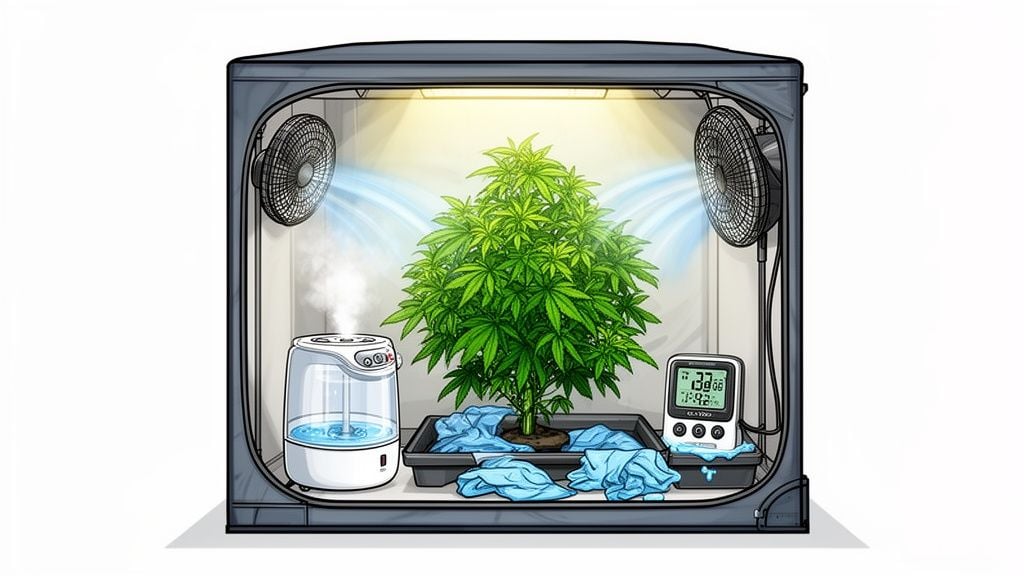
How to Raise Humidity in a Grow Tent for Better Yields

If you’re looking for the quickest answer, the easiest ways to raise the humidity in your grow tent are with a humidifier, by hanging wet towels, or by placing a few open containers of water inside. These are all simple, effective ways to get more water vapor into the air, something that’s super important for your plants, especially in their early days. So, why is everyone so obsessed with humidity? Think of relative humidity (RH) as the amount of moisture floating around in your tent’s air.
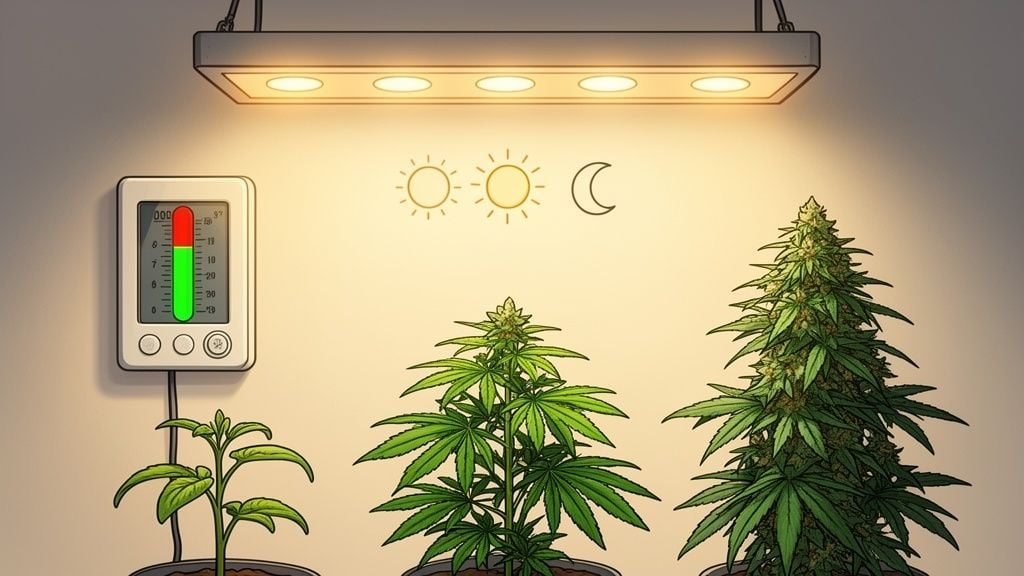
A Guide to the Weed Vegetative Stage

The weed vegetative stage is that growth spurt right after your seedling gets its legs but before it thinks about flowering. During this “veg” phase, your cannabis plant has one job: build a solid frame. We’re talking a thick stem, a strong root system, and a canopy full of leaves and branches to soak up all that light. Think of it as your plant’s teenage years. Its only goal is to get as big and strong as possible before the real work begins. Alright, let’s get into it.

How Often Should I Water My Weed Plants? A Grower’s Guide

If you’re new to growing, you’re probably asking how often to water your weed plants. The quick answer is every 2-3 days. But honestly, that’s more of a general guideline than a strict rule. The real secret is to stop looking at the calendar and start paying attention to what your plants are telling you. Here’s the deal: your plant’s thirst changes all the time. A tiny seedling has totally different needs than a huge, bushy plant in the middle of flowering. A rigid schedule just can’t keep up with everything that affects how much your plant drinks.

How to Increase Water pH for Healthy Cannabis Plants

To bump up your water’s pH for cannabis, you can use a commercial pH Up solution (most are potassium hydroxide or potassium silicate) or something simple like baking soda. The trick is to add a tiny amount, mix it in really well, and test again. You’ll repeat this little dance until you hit your target, usually 6.0 to 7.0 for soil grows and a slightly more acidic 5.5 to 6.5 for hydro setups. Alright, let’s get right to it. Think of pH as the gatekeeper for every single nutrient you give your plants.

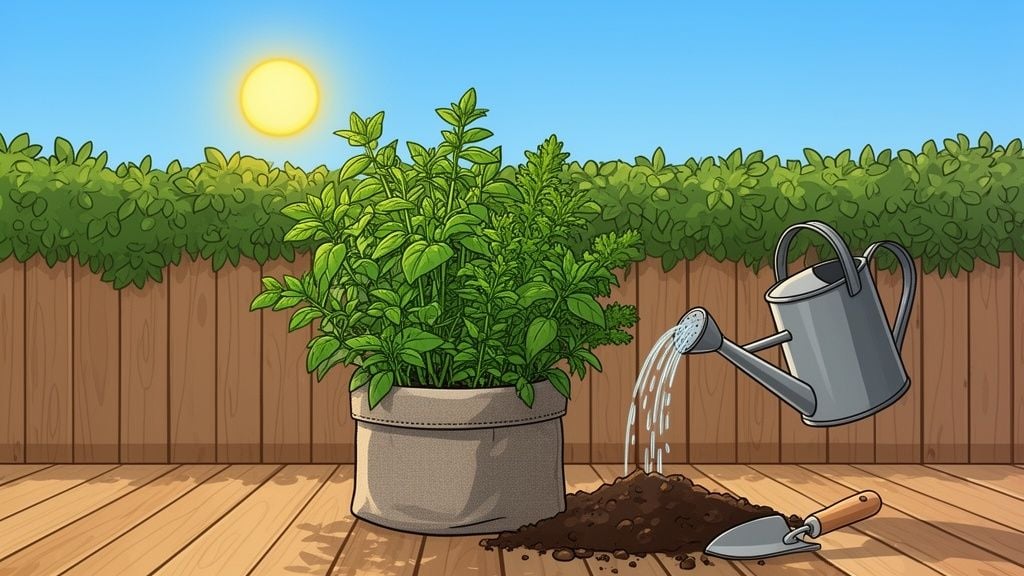
How to Create the Best Outdoor Grow Setup

Using the sun’s power for an outdoor grow is the key to bigger plants and impressive yields, all without dropping cash on expensive indoor gear. A killer setup really comes down to two things: a secure, private location and at least 6-8 hours of direct sunlight every single day. Nail these, and you’re setting yourself up for a stress-free growing season. Growing your own cannabis outside is a seriously rewarding experience. You get to ditch the expensive lights, fans, and complicated ventilation systems.

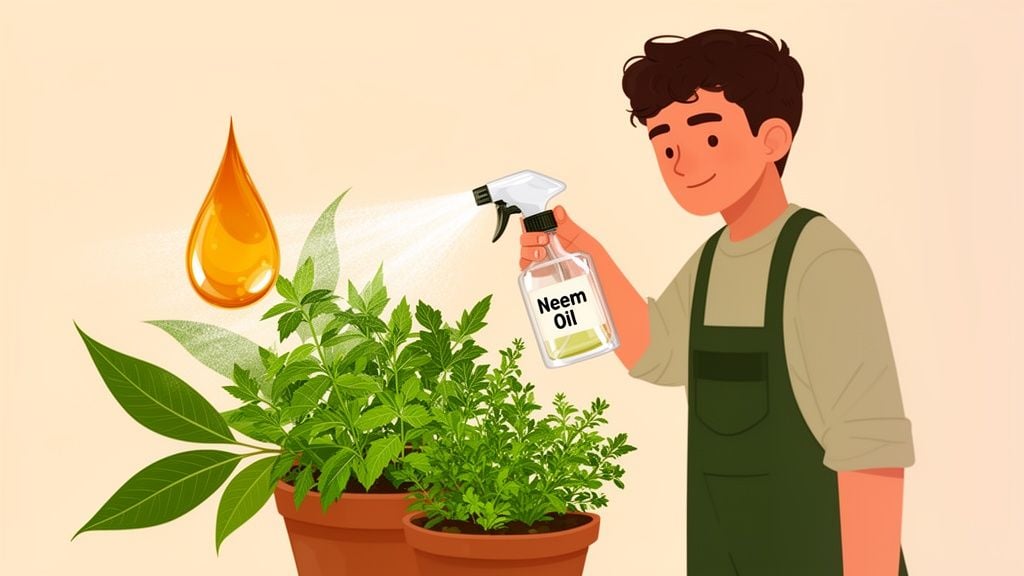
Neem Oil for Weed Plants A Millennial Grower’s Guide

Alright, let’s talk shop. If you’ve been growing for any length of time, you’ve probably heard other growers mention using neem oil for weed plants. It’s not just hype, this stuff is a legit game-changer. Think of it as an organic, plant-based bug spray that knocks out common headaches like spider mites and powdery mildew without reaching for harsh chemicals. For anyone aiming for a clean, natural end product, that’s a massive win.

Your Guide to a Hydroponics Weed System

So, what’s a hydroponics weed system? Basically, it’s a way to grow cannabis without any soil. Your plants get all their food from nutrient-packed water. This hands-on method usually means faster growth and bigger yields because you have total control over what your plants eat. It’s a real game-changer if you’re serious about getting the most from your grow. Let’s get right to it. Growing weed without soil might sound a little weird, but it’s just smart science. More and more growers, from home hobbyists to commercial pros, are switching to hydroponics for some really good reasons.

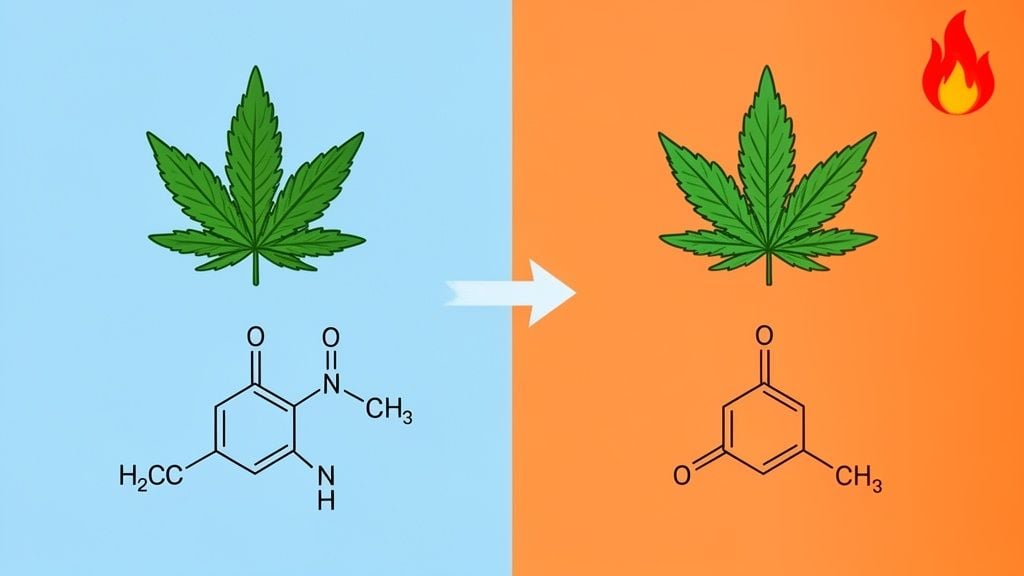
What is THCA vs THC? A Clear Guide to Effects, Legality, and Growing

If you’re trying to wrap your head around what is THCa vs THC, here’s the simplest way to put it: THCa is the raw, non-psychoactive parent of THC. It’s what you find in the fresh, living plant before you introduce heat. THC is what it becomes after you light it up, vape it, or bake it into brownies. Let’s break this down without getting bogged down in a heavy science lesson. When you’re growing your own cannabis at home, the plant isn’t actually pumping out the THC that creates that classic high. Instead, it’s making THCa, or Tetrahydrocannabinolic acid.

Autoflowering vs Photoperiod: A Grower’s Ultimate Guide

Let’s get right into it. The single biggest difference in the autoflowering vs photoperiod debate is what makes them start making buds. Photoperiod strains are the old-school classics. They need a specific light schedule, usually 12 hours of pure, uninterrupted darkness, to kickstart their flowering phase. Autoflowers, on the other hand, march to the beat of their own drum. They flower based on age, not light. When you’re picking out seeds, this is everything. It shapes your entire grow, from the timeline and setup right down to the final harvest weight. Photoperiod plants put you in the driver’s seat.

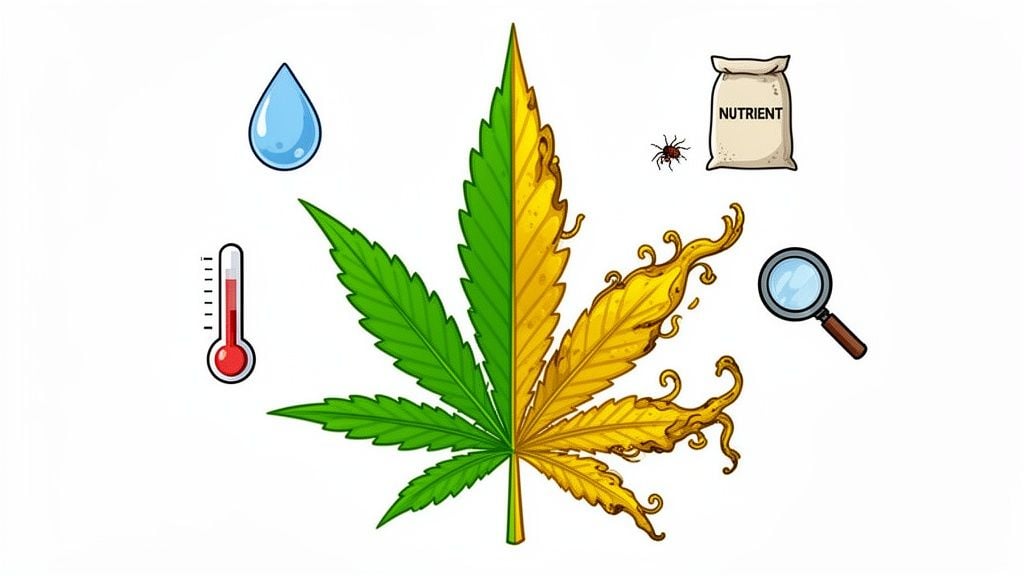
Pot Leaves Curling? Here are the Causes and Quick Fixes

So, you walked into your grow room and saw it: your pot leaves are curling. First things first, don’t freak out. This happens to pretty much every grower at some point, and it’s just your plant’s way of telling you something is a little off. Think of it as a signal, not a disaster. When you see your pot leaves curling, it’s easy to jump to the worst conclusion. But it’s usually a fixable problem that comes down to one of five common culprits.