A Grower’s Guide to the Vegetative Stage of Weed

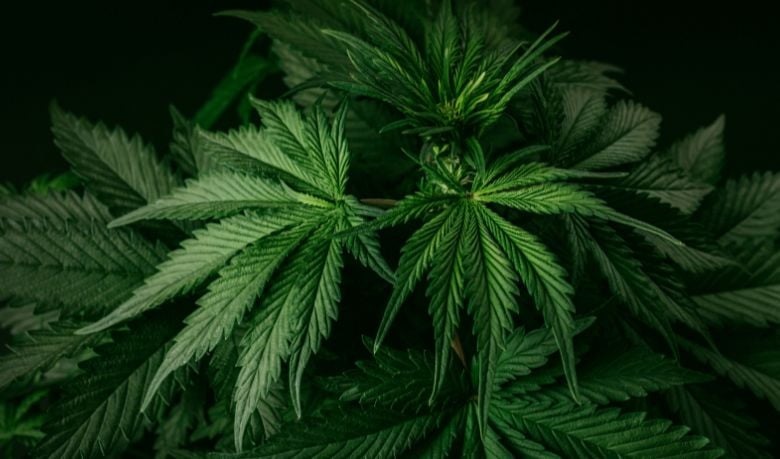
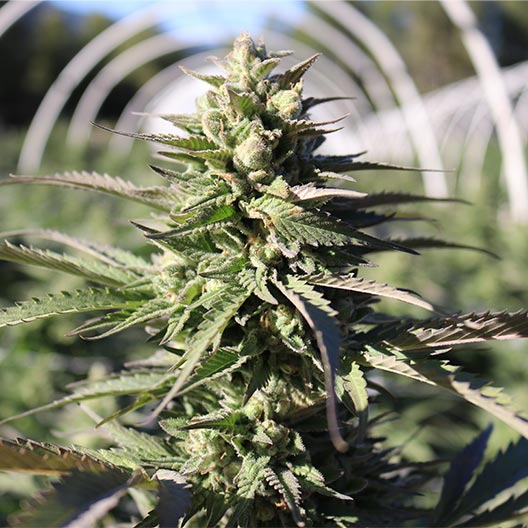
So, you’ve gotten your Pacific Seed Bank seeds through that tricky seedling phase. Now the real fun starts. Welcome to the vegetative stage of weed, which is basically your plant’s teenage years. The only goal here is getting bigger, stronger, and bushier to get ready for the main event: flowering. The vegetative stage is that super important period between the seedling and flowering phases. During this time, your cannabis plant puts all its energy into growing like crazy, but not the kind you might be thinking of. It’s not about making buds yet; it’s all about building a solid foundation.
The Best Strains for Small Indoor Grow Setups

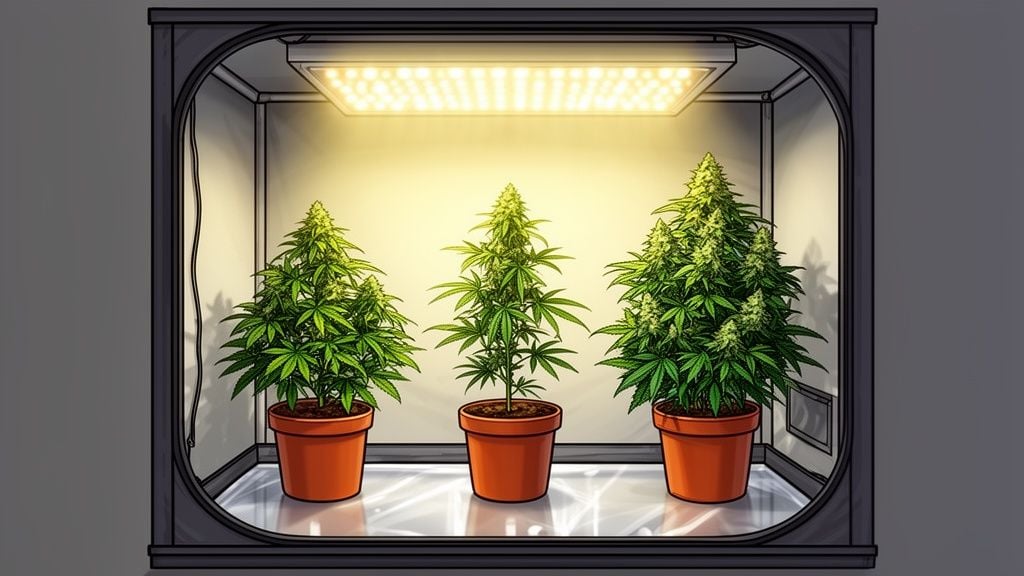
When you’re trying to pull off a great harvest in a small space, your best bet is almost always an indica-dominant or autoflowering strain. These plants are just naturally built for the job. They stay compact and finish flowering quickly, making them a perfect fit for a closet or a small grow tent. Let’s be real, most of us are working with a grow tent or a spare closet, not some massive warehouse. But a small space doesn’t mean you’re stuck with small results. You can absolutely pull off an amazing harvest, even if your square footage is limited.
weed leaves turning yellow

Why Are My Weed Leaves Turning Yellow and How to Fix It

Okay, let’s get straight to it. Seeing yellow leaves is super common, but it’s basically your plant’s check engine light. More often than not, the answer to “why are my weed leaves turning yellow” comes down to one of three things: nutrients, watering habits, or the pH level of your growing medium. It’s just your plant telling you something is off. Don’t panic. Yellowing leaves are almost always a fixable problem, especially if you catch it early. The key is figuring out where the yellowing starts, as that tells you almost everything you need to know about what’s going on.
clean cannabis

Fixing Cal Mag Deficiency in Cannabis: A Grower’s Guide

Walk into your grow room and see sad, yellowing leaves with funky brown spots? You might be staring down a calcium and magnesium deficiency. It’s a classic grower headache, but totally fixable. Think of calcium and magnesium as the essential construction crew for your cannabis plants. When they don’t show up for work, the whole project grinds to a halt, and your harvest is at risk. It’s easy to get lost in the science, but let’s keep it simple. Imagine you’re building a skyscraper from the ground up. Calcium is the steel frame and concrete foundation.
cannabis fan leaf smell

Your Guide to Diagnosing and Fixing Weed Leaf Issues

Seeing some weirdness on your leaves? Don’t sweat it. Weed leaf issues are just your plant’s way of talking to you, and learning to speak its language is the first step to becoming a better grower. This guide is your decoder ring for figuring out what those spots, curls, and funky colors really mean. Think of your cannabis plant’s leaves as its main communication hub. A healthy, happy plant will show you with vibrant, lush foliage.
flush cannabis plants

How to Flush Cannabis Plants for a Cleaner Harvest

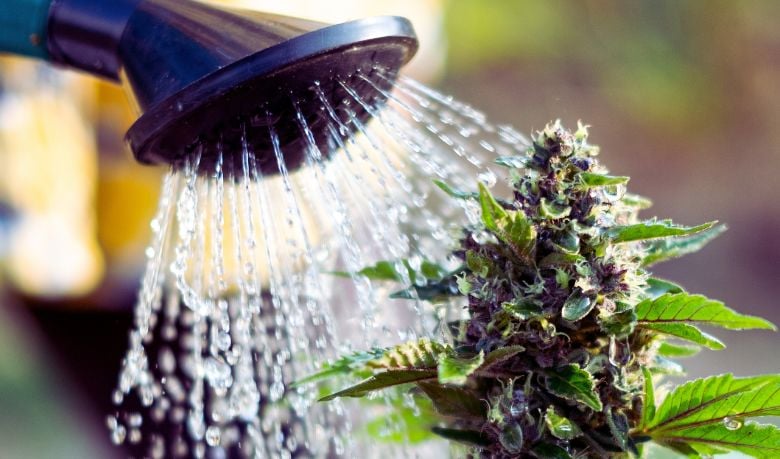
Flushing cannabis plants cleans out any leftover nutrients and sets you up for a smooth, clean smoke. I find that running plain water for about 7 days and using 2 to 3 times the pot volume usually brings runoff pH into the sweet spot of 6.0 to 6.8. That way your buds taste crisp instead of harsh. Think of this as your final prep before harvest. In the last week you’ll cut off nutrients, pour in plain water, and check pH until your plants are free of excess salts.
Young cannabis seedlings emerging from soil, representing autoflowering feminized strains during early growth.

When to Transplant Cannabis Seedlings: A Grower’s Guide

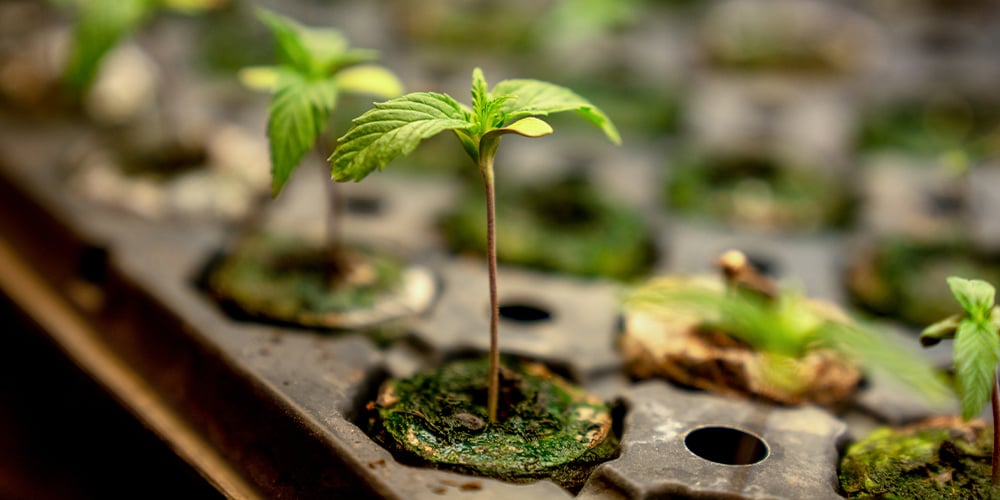
So, your seeds have popped, and now you’ve got a tray full of tiny green sprouts reaching for the light. Nice work. The big question now is, when do you move them into a bigger pot? The sweet spot is usually two to three weeks after they sprout, once they’ve pushed out a few sets of real, serrated leaves. Figuring out the perfect moment to transplant your cannabis seedlings can feel a little nerve wracking, but it’s really just about learning to read the signs your plants are giving you.
flush cannabis plants

How to Raise the pH of Water for Cannabis Plants

Knowing how to raise the pH of your water is pretty easy: you add something alkaline like baking soda or a commercial pH Up solution, give it a stir, and test it again. The real art is understanding why you’re doing it and hitting that perfect balance for your plants. Alright, let’s get right to it. You’ve got your Pacific Seed Bank autoflower seeds, your grow tent is dialed in, but your plants just look… off. Before you start blaming the genetics, let’s talk about something that’s easy to overlook but super important: your water’s pH.
clean cannabis

How to Get Rid of Gnats in Your Plants for Good

To get rid of gnats in your plants, you need to break their life cycle by letting the top layer of your soil dry out and using yellow sticky traps to catch the flying adults. This simple two-step approach tackles both the larvae in the soil and the egg-laying adults, quickly reducing their numbers without complicated chemicals. Alright, let’s talk about those annoying little flies buzzing around your grow space. If you’ve noticed tiny, dark insects flitting around your cannabis plants, you’re almost definitely dealing with fungus gnats. They’re a super common headache for growers, but don’t stress, they’re manageable.
lolipopping

What Is Lollipopping and How It Boosts Your Harvest

So, you’re wondering what lollipopping is? It’s a simple pruning technique where you strip the lower branches and smaller bud sites off your cannabis plant. The idea is to make your plant look like a lollipop: a clean stem at the bottom with all the good stuff concentrated up top. Think of it as a strategic haircut for your plants. It’s more than just a tidy-up; it’s a way to tell your plant exactly where to send its energy. Every plant has a limited “budget” of resources to spend on growing buds.