Seeing some weirdness on your leaves? Don’t sweat it. Weed leaf issues are just your plant’s way of talking to you, and learning to speak its language is the first step to becoming a better grower. This guide is your decoder ring for figuring out what those spots, curls, and funky colors really mean.
Speaking Your Plant’s Language
Think of your cannabis plant’s leaves as its main communication hub. A healthy, happy plant will show you with vibrant, lush foliage. But when something is off, whether it’s the nutrients, the light, or a tiny uninvited guest, the leaves are the first to send up a flare.
Spotting these signals early is the key to fixing small problems before they become big headaches that mess with your harvest.
With the cannabis market blowing up, more people are starting their own home grows than ever before. In fact, with the U.S. market projected to hit $45.35 billion in 2025, it’s clear that cultivation is becoming a huge hobby. Learning the basics of plant health has never been more important. You can get a deeper look into the industry’s growth in this breakdown of cannabis industry statistics.
What Healthy Cannabis Leaves Look Like
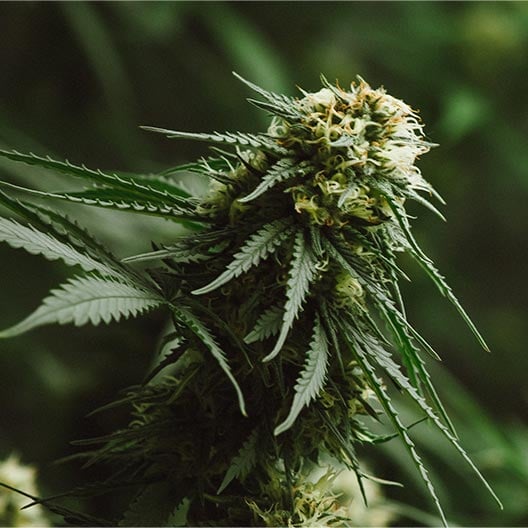
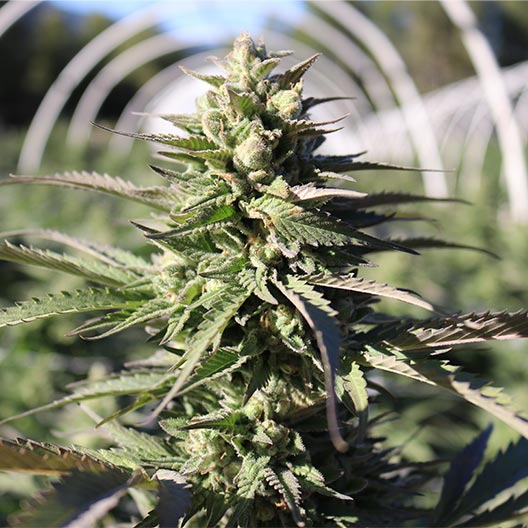
Before you can spot a problem, you need a solid baseline of what’s normal. A healthy cannabis leaf from one of our feminized or autoflower cultivars should have a few key characteristics.
- Vibrant Green Color: The exact shade can vary a bit between different cultivars, from a deep forest green to a lighter lime, but it should always look alive and rich.
- Smooth, Waxy Texture: Healthy leaves have a slight sheen to them. They shouldn’t look dull, dry, or dusty.
- Upward Angle: During the day, healthy leaves will often point slightly upwards toward the light source, almost like they’re soaking it all in. If they’re drooping or sagging, that’s a sign something is up.
The goal isn’t to never see a single yellow leaf. A few yellowing leaves at the very bottom of a mature plant are totally normal. It’s when you see widespread or patterned issues that you need to pay closer attention.
To help you get a quick read on what your plants are trying to tell you, we put together this handy table. Think of it as a quick glance cheat sheet you can use to match symptoms to potential causes.

Quick Guide to Common Leaf Symptoms
| Symptom | What It Could Mean | Where to Look in This Guide |
|---|---|---|
| Yellowing | Nutrient deficiency (Nitrogen?), pH imbalance, or overwatering. | Sections on Nutrient Deficiencies and Watering Issues. |
| Brown or Black Spots | Nutrient burn, pH fluctuations, or fungal issues like leaf septoria. | Sections on Nutrient Burn and Pests & Diseases. |
| Curling or Clawing | Heat stress, overwatering, or Nitrogen toxicity. | Sections on Environmental Stressors and Nutrient Burn. |
| Crispy, Burnt Tips | Nutrient burn from overfeeding. A classic rookie mistake! | Section on Nutrient Burn. |
| Drooping or Wilting | Underwatering or overwatering. Check your soil moisture. | Section on Watering Issues. |
| Holes or Bite Marks | Pests are likely munching on your leaves. | Section on Pests & Diseases. |
| White Powdery Film | A classic sign of powdery mildew, a common fungal foe. | Section on Pests & Diseases. |
This table should give you a solid starting point, but remember it’s just a quick reference. The rest of this guide will walk you through the most common weed leaf issues in more detail, helping you pinpoint exactly what your plant needs. We’ll cover everything from nutrient mix-ups and pest problems to environmental stress, no confusing jargon, just straight up advice to get your plants back on track.
Let’s get started.
Decoding Discoloration and Leaf Curl
When your leaves start showing weird new colors, it’s not some cool autumn thing, it’s your plant trying to send up a flare. Leaf discoloration is one of the most common hurdles growers face. The good news? You can usually figure out what’s wrong just by seeing what color it is and where on the plant it’s showing up.
Think of yourself as a plant detective. Your first clue is the color itself, whether it’s yellowing, brown spots, or something else entirely. Your second, equally important clue is its location. A problem appearing on old, lower leaves means something completely different than one starting on fresh growth at the top.
This visual decision tree is a great starting point for your diagnosis. It walks you through a simple process: observe the symptom, follow the path, and land on a potential cause.
This flowchart simplifies the sometimes tricky job of diagnosing leaf issues, guiding you from the first sign of trouble to a likely culprit. It’s a handy tool to keep in your back pocket.
What Yellowing Leaves Are Telling You
Yellow leaves, a condition known as chlorosis, happen when a leaf isn’t producing enough chlorophyll. It’s a super common sight, but the fix depends entirely on where the yellowing begins.
If yellowing starts at the bottom: This almost always points to a nitrogen deficiency. Nitrogen is a mobile nutrient, meaning your plant can literally pull it from older leaves at the bottom and redirect it to new, more important growth up top. Your lower leaves are taking one for the team.
- How to Fix It: During the veg stage, this is a clear signal to ramp up the nitrogen. A good, balanced grow nutrient should sort it out. If you see this late in the flower stage, don’t sweat it. It’s perfectly natural for plants to fade as they pour all their energy into making buds.
If yellowing starts at the top: This usually signals an issue with an immobile nutrient or some kind of environmental stress. While it could be a lack of sulfur or iron, it’s more often related to your grow setup.
- How to Fix It: First, check your light distance. A light that’s too intense or too close can cause light burn, which effectively bleaches the top leaves yellow. Also, get a read on your pH levels. If the pH in your soil or water is out of whack, your plant can’t absorb certain nutrients, even if they’re present in the medium.
Brown Spots and Burnt Tips
Seeing brown, dead looking spots or crispy tips can be alarming, but these are also totally solvable problems. It’s usually your plant’s way of telling you there’s a nutrient or pH issue.
- Brown Spots: Random brown or even black dots sprinkled across the leaves could signal a calcium deficiency. It often looks like a series of tiny, dead spots.
- Burnt Tips: When just the very tips of the leaves turn brown and look burnt, it’s a textbook sign of nutrient burn. This just means you’ve been a little too enthusiastic with the fertilizer.
Pro Tip: When you spot nutrient burn, the best first move is to flush the soil with plain, pH balanced water. This acts like a reset button for the root zone, washing away all that excess nutrient buildup.
With home growing on the rise, it’s incredible to see the broader impact. The U.S. cannabis industry contributed $115.2 billion to the GDP in 2024, a number that’s only getting bigger. This boom supports hundreds of thousands of jobs, which is pretty amazing. You can see more stats on the industry’s economic power in the latest Leafly Jobs Report.
The Dreaded Leaf Curl and Claw
When leaves start to curl up or claw down, it’s a major distress signal. The plant is physically contorting itself to let you know it’s deeply unhappy.
Leaves Curling Down (The Claw): This is most often caused by nitrogen toxicity, the complete opposite of a deficiency. The leaves will turn a very dark, waxy green and curl downwards, resembling a claw.
- How to Fix It: Just like with nutrient burn, flush your medium with pH balanced water to get rid of the excess nitrogen. After that, ease up on the nutrients going forward.
Leaves Curling Up (Tacoing): When the edges of your leaves curl upward, forming a distinct taco shape, you’re almost certainly looking at heat stress. Your grow light is probably too close, or your room temperature is too high.
- How to Fix It: Move your lights up a few inches and get more air moving in your grow space. A small fan aimed between the light and the plant canopy can work wonders to dissipate that pocket of hot air. Keep in mind, overwatering can also cause leaves to droop and curl, so always make sure your pot feels light before you water again.
Solving Common Nutrient Problems
Feeding your plants can sometimes feel more like an art than a science, but your leaves are the ultimate report card. They’ll tell you exactly what’s up with their diet, whether they’re starving or stuffed. Getting your nutrients right is a huge part of avoiding common weed leaf issues.
Let’s break down the most common nutrient problems you’re likely to run into. We’ll cover the big three macronutrients, some important secondary ones, and the secret ingredient that ties it all together: pH.
The Big Three: N-P-K
You’ve probably seen “N-P-K” on fertilizer bottles. This stands for Nitrogen, Phosphorus, and Potassium, the three main nutrients your plants crave. Getting the balance right is key, especially since autoflower and feminized cultivars have slightly different needs throughout their life cycles.
- Nitrogen (N): This is all about green, leafy growth. During the vegetative stage, your plants are incredibly hungry for nitrogen. A deficiency will show up as yellowing on the lower, older leaves first. Too much nitrogen, on the other hand, causes “the claw,” where leaves turn a dark, waxy green and curl downwards.
- Phosphorus (P): This nutrient is crucial for root development and, most importantly, bud production. If your plant is short on phosphorus, you might see slow growth and leaves turning a dark, bluish green, sometimes with purplish patches. This is a big problem during flowering.
- Potassium (K): Potassium helps with overall plant health and resilience. A deficiency often starts with the edges of older leaves turning yellow, then brown and crispy, almost like they’ve been burnt.
For a more in depth guide on feeding your plants, check out our article on the best nutrients for your cannabis plant, which gets into specific feeding schedules.
Secondary Nutrients Matter Too
Beyond the big three, your plants also need secondary nutrients like calcium and magnesium. It’s super common for growers to overlook these, but deficiencies can cause some serious drama for your leaves.
A magnesium deficiency is a classic one. You’ll see yellowing that starts between the veins of the older leaves, creating a striped or mottled look. The veins themselves stay green, which is a key clue.
Calcium deficiency is a bit trickier. It often shows up as stunted or distorted new growth at the top of the plant. You might also see small, dead brown spots appearing on the leaves.
The easiest fix for both of these is usually a Cal-Mag supplement. It’s a staple in almost every grower’s toolkit for a reason. Just a little bit added to your regular feeding can prevent a ton of headaches.
The pH Problem You Can’t Ignore
Here’s the deal: you can give your plants the most expensive, top shelf nutrients on the market, but if your pH is off, it’s all for nothing. Think of pH as the gatekeeper for nutrient absorption. If the pH of your water or soil is too high or too low, it literally locks the roots out, preventing them from taking in certain nutrients.
This is called nutrient lockout, and it’s one of the most common reasons growers see deficiency symptoms even when they’re feeding their plants properly.
For soil grows, you’re aiming for a pH range of 6.0 to 7.0. In hydro or coco grows, the sweet spot is a bit more acidic, typically between 5.5 and 6.5. Investing in a cheap pH pen is one of the smartest moves you can make as a grower. It takes all the guesswork out of the equation.
Nutrient Deficiency vs Toxicity Quick Check
It can be tough to tell if you’re giving your plant too little or too much of a good thing. Both can cause serious weed leaf issues. This quick table should help you spot the difference between a deficiency (not enough) and toxicity (way too much).
| Nutrient | Sign of Deficiency | Sign of Toxicity (Burn) |
|---|---|---|
| Nitrogen | Pale, yellowing leaves, starting from the bottom up. Slow growth. | Dark, waxy green leaves. Clawing (tips curl down). Burnt leaf tips. |
| Phosphorus | Stunted growth, dark bluish-green leaves, sometimes with purple splotches. | Symptoms are rare and hard to spot, often masked by other issues. |
| Potassium | Yellowing and browning along the edges of older leaves. | Brown leaf tips and edges, but can also cause other nutrient lockouts. |
| Calcium | Stunted or distorted new growth. Small, dead brown spots on leaves. | Can lead to lockout of other nutrients like magnesium and potassium. |
| Magnesium | Yellowing between the veins on older leaves, creating a striped look. | Very rare, but can interfere with calcium uptake if levels are excessive. |
Correcting a nutrient issue is all about making small, steady adjustments. Don’t panic and dump a ton of fertilizer on your plants. The best first step is often to flush the soil with plain, pH balanced water to reset everything. Then, you can reintroduce a balanced, half strength nutrient solution and watch how your plant responds. Reading your leaves and reacting calmly is the key to solving these common problems.
Identifying and Eliminating Common Pests
Nothing kills the mood of a healthy grow faster than finding tiny, unwanted guests crawling all over your leaves. Dealing with pests is a major bummer, but it’s a reality for just about every grower at some point. The trick is to spot them early and move fast before they can turn your dream harvest into a total nightmare.
Let’s run through the usual suspects you might find trying to make a home on your plants. We’ll cover what the damage looks like and, more importantly, how to give them the boot for good.
The Most Unwanted Guests in Your Garden
Different pests leave different calling cards. Knowing what to look for is half the battle when you’re trying to solve your weed leaf issues. Keep a close eye out for these common invaders.
Spider Mites: These guys are tiny terrors and easily one of the most common pests out there. They’re so small you’ll probably spot the damage before you ever see them. Look for tiny white or yellow specks dotting the tops of your leaves. If you flip a leaf over, you might see the mites themselves, and in a really bad infestation, fine, silky webbing.
Aphids: These small, pear shaped bugs love to suck the life right out of your plants. They come in green, black, or yellow and usually cluster on the undersides of leaves and along stems. They leave behind a sticky mess called “honeydew,” which can unfortunately lead to sooty mold.
Thrips: Thrips are another minuscule pest capable of big damage. They scrape away at the leaf’s surface, leaving behind shiny, silvery trails or splotches. You might also spot tiny black specks, which is their waste. Not pretty.
Fungus Gnats: While the adult gnats are mostly just annoying little flies buzzing around your soil, their larvae are the real menace. They thrive in the top layer of wet soil and feed on your plant’s roots, which can stunt growth and lead to yellowing leaves.
Your Action Plan for Pest Control
Okay, so you’ve identified the enemy. Now what? You don’t have to go full on chemical warfare. Plenty of effective, safer methods exist to handle these pests, especially for home growers who want to keep things clean and organic.
Your first line of defense should always be the simplest. Here’s a basic approach that works wonders:
- Manual Removal: If you just see a few bugs, you can literally pick them off by hand or wipe them away with a damp cloth. A gentle spray of water can also do a great job of knocking them loose.
- Insecticidal Soap: This is a fantastic non toxic option. You can buy a ready made formula or even make your own with a mild soap like Dr. Bronner’s. It works by breaking down the pest’s outer shell but is perfectly safe for your plants.
- Neem Oil: A true go to for organic growers, neem oil is a natural pesticide and fungicide. It messes with the life cycle of many common pests, stopping them in their tracks. Just mix it with water and a little bit of soap (which acts as an emulsifier) and spray your plants thoroughly, paying special attention to the undersides of leaves.
When you’re spraying your plants with anything, even just water, make sure to do it when the grow lights are off or just before they turn off. Water droplets can act like tiny magnifying glasses under intense light and burn your leaves.
Keeping Mold and Mildew Away
Pests aren’t the only invaders to worry about. Fungi like mold and mildew can also cause serious weed leaf issues, and they absolutely thrive in damp, stagnant environments.
The most common culprit here is powdery mildew. It looks exactly like its name suggests: a white, flour like powder that appears in patches on your leaves. If you don’t tackle it quickly, it will spread and can completely ruin your buds.
Preventing powdery mildew is all about controlling your grow room environment. The two biggest factors are:
- Airflow: You need good, consistent air circulation. A couple of small oscillating fans can make a huge difference by keeping air moving and preventing damp spots where mold loves to take hold.
- Humidity: High humidity is basically an open invitation for mildew. Keep your relative humidity (RH) in a healthy range. During flowering, you’ll definitely want it below 50%. A small dehumidifier is a worthwhile investment.
If you’re already dealing with a fungus gnat problem, getting your watering schedule dialed in is critical. To learn more, check out our detailed guide on how to get rid of gnats in your plants.
For a more advanced defense, you can even introduce beneficial insects like ladybugs or predatory mites into your grow space. They are the natural enemies of common cannabis pests and will do the dirty work for you, creating a self sustaining defense system that keeps your plants safe and sound.
Fixing Environmental Stress in Your Grow Room

Sometimes, the culprit behind your sick looking leaves has nothing to do with nutrients or pests. It’s your plant’s home itself. Nailing the environment in your grow room is just as important as your feeding schedule, and if things are out of whack, your leaves will be the first to tell you something’s wrong.
Think of your grow space as your plant’s own little Goldilocks zone. It can’t be too hot, too cold, too bright, or too soggy. Getting it just right is the key to happy, healthy growth, especially when you’re working with our sensitive autoflower and feminized cultivars.
Is Your Light Too Intense?
We all want to blast our plants with plenty of light, but you can absolutely have too much of a good thing. When your lights are too close or just plain too powerful, they can literally burn the leaves closest to them.
This is called light burn, and it can look a lot like a nutrient deficiency at first glance. The top leaves, the ones getting hammered with direct light, will turn a bright, washed out yellow. But unlike a nitrogen issue, light burn always starts at the top of the plant, not the bottom. The affected leaves might also feel crispy and refuse to bend without snapping.
- The Fix: This one’s usually pretty simple. Just raise your lights a few inches. If you can’t raise them any higher, consider dimming them if your light has that feature. The goal is to find that sweet spot where your plants are soaking up all the energy they need without getting overwhelmed.
Managing Temperature and Humidity
Cannabis plants are pretty resilient, but they’re not fans of extreme temperatures or wild swings. If your grow room gets too hot or too cold, it puts a ton of stress on your plants, leading to all sorts of leaf problems.
Heat stress is a super common issue. If your temps creep too high, you’ll see the edges of the fan leaves curl upwards, forming that classic “taco” shape. On the flip side, if it gets too cold, growth can slow to a crawl and the plants may droop, looking weak and lifeless.
Your ideal temperature range is typically between 70-85°F (21-29°C) when the lights are on. A slight drop at night is perfectly fine, but you want to avoid huge temperature swings. Consistency is the name of the game here.
Humidity is the other half of this equation. High humidity is an open invitation for powdery mildew, while super low humidity can dry out and stress your plants. Aim for a relative humidity (RH) of around 40-60% for most of the plant’s life, then drop it to 40-50% during the flowering stage to keep your buds safe and dense.
For anyone just starting out, getting your environment dialed in can feel like a lot. Learning more about how to set up a grow tent can give you a huge advantage by making it much easier to control these variables from the get go.
The Overwatering and Underwatering Trap
Watering is probably the number one mistake new growers make. And honestly, it’s easy to see why. Both overwatering and underwatering cause the leaves to droop, making them look almost identical at first glance.
An overwatered plant will look droopy and sad, but the leaves themselves will feel firm and curled down, almost like a claw. This happens because the roots are drowning in water and can’t get any oxygen.
An underwatered plant will look just as droopy, but its leaves will be limp, lifeless, and soft to the touch. The whole plant just looks thirsty and defeated.
The absolute best way to know when to water is the “lift the pot” method. Get a feel for how heavy your pot is right after a good, thorough watering. Then, wait a few days and lift it again. When it feels significantly lighter, it’s time to water. This simple trick takes all the guesswork out of it and is far more reliable than just poking the topsoil. It’s a foolproof way to avoid one of the most common weed leaf issues.
Common Questions About Weed Leaf Issues
We get a ton of questions from growers staring at their plants, wondering what went wrong. It can feel overwhelming when you’re just starting out, so we’ve put together some straight answers to the issues we see pop up the most.
Can My Plant Recover from Damaged Leaves?
For the most part, yes. While a mangled leaf won’t magically heal itself and turn vibrant green again, the plant itself can absolutely bounce back once you fix whatever was causing the trouble. You’ll know you’re on the right track when all the new growth starts coming in looking healthy and happy.
You can either leave the old, damaged leaves on the plant or snip them off once you see a solid recovery. The most important thing is to address the root cause, whether it’s a nutrient imbalance, a pest invasion, or something off with your grow room environment.
How Do I Know If I Am Overwatering or Underwatering?
This is a classic one because, at first glance, both problems can make your plants look surprisingly similar: droopy and sad. The real tell is in how the leaves feel to the touch.
An overwatered plant will have droopy leaves that still feel firm and are curled downward. An underwatered plant’s leaves, on the other hand, will be droopy, limp, and completely lifeless.
The easiest way to know for sure? Just lift the pot. If it feels feather light, it’s definitely thirsty. If it’s still heavy, hold off and give it another day or two to dry out.
Why Are the Bottom Leaves Turning Yellow and Falling Off?
Seeing yellow leaves near the base of your plant is super common, so don’t panic right away. If it’s just one or two leaves on an otherwise big, thriving plant, it’s probably just the natural life cycle. The plant is ditching old, inefficient leaves to push energy toward new growth up top where the light is better.
However, if you’re seeing a bunch of bottom leaves yellowing quickly, it’s almost always a sign of a Nitrogen deficiency. Nitrogen is a mobile nutrient, meaning the plant can pull it from older growth and send it to new leaves where it’s needed most. It’s your plant’s survival mode kicking in.
Is It Better to Use Organic or Chemical Solutions for Pests?
Honestly, this really comes down to your personal growing philosophy. For most home growers, though, sticking with organic methods is the smartest way to go.
- Organic Options: Things like neem oil and insecticidal soaps are fantastic because they’re less harsh on your plants and the environment. They’re usually the first line of defense we recommend.
- Chemical Options: Chemical pesticides can definitely work faster, but you have to be incredibly careful, especially during the flowering stage. You really don’t want any of that stuff lingering on your final product.
In most situations, starting with an organic approach is the safest and most effective bet. You can always escalate your response if the problem persists, but you’d be surprised how often the simple solutions get the job done.
Ready to start your next grow with seeds you can trust? At Pacific Seed Bank, we’ve got over a thousand different cultivars of premium autoflower and feminized seeds, all lab tested and backed by our germination guarantee. Find your next favorite strain.