



Description
Orange Bud: Modern Citrus and Retro Skunk
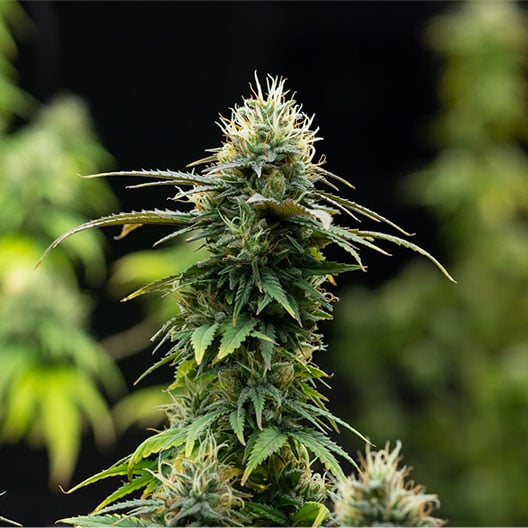
Straight from 1980s Amsterdam, Orange Bud is praised for its dynamic terpene profile and mid-range THC levels of 16%. Its indica-to-sativa ratio clocks in at 65:35, producing a balance of euphoric, relaxing, and creative effects. Combined with its low-maintenance growing style, these qualities help explain why many cultivators keep Orange Bud seeds in their regular rotation.
This strain is also prized for its throwback Skunk character. Its fragrance includes fresh citrus and pungent earth. As such, Orange Bud seeds are prized by those who like layered, contrasting flavors.
Fans of this hybrid describe its effects as euphoric, relaxed, sociable, and slightly spacey. Orange Bud also has a relatively short flowering period, asks little of cultivators, and remains a popular choice among new and old-school growers alike.
Growing Tips for Our Seeds
Orange Bud is an easy-to-grow cultivar that thrives under basic conditions and flowers slightly faster than many cannabis strains. It adapts well to indoor and outdoor setups, producing resinous flowers with relatively little fuss. A few simple strategies can help growers make the most of its growth habits and aromatic harvest.
Control Height During the Transition to Flower
Although Orange Bud has a relatively compact structure, it can stretch moderately during the first few weeks of flowering. If your growing setup has limited vertical space, consider low-stress training (LST) or topping the main stem during the vegetative stage. These techniques encourage more horizontal growth while allowing plants time to recover before flowering begins.
Maintaining an even canopy also helps distribute light more consistently across developing flower sites, supporting more uniform growth throughout the plant.
Monitor Humidity and Airflow Late in Bloom
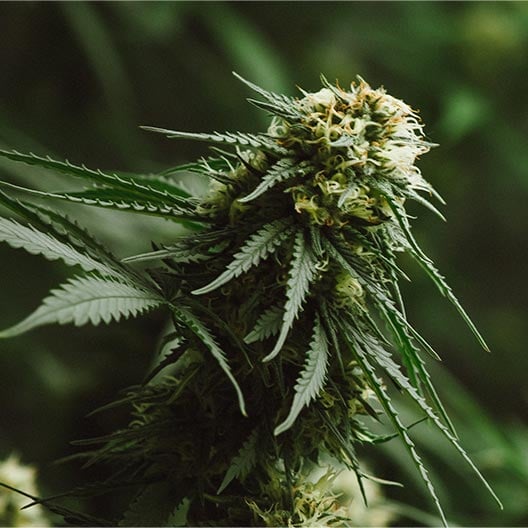
Orange Bud can produce dense, compact flowers that retain moisture, particularly when humidity is high and airflow is limited. During the final weeks of flowering, aim for roughly 40–50% relative humidity and maintain steady air circulation around and beneath the canopy to help reduce the risk of bud rot.
Use oscillating fans to prevent stagnant air pockets, but avoid directing a strong, constant stream of air at developing flowers. Selectively removing a few crowded interior fan leaves can also improve airflow through the plant. Fans work best alongside adequate exhaust ventilation, dehumidification when needed, and stable temperatures, especially during the lights-off period when humidity can rise.
Manage Orange Bud’s Heavy Aroma
Orange Bud is beloved for its distinctive fragrance, but its pungent citrus and Skunk notes can become increasingly noticeable as flowering progresses. For growers who want to keep odors under control, a few simple ventilation measures can make a meaningful difference.
Use a properly sized carbon filter with an inline exhaust fan, and maintain slight negative pressure in the grow space to help prevent odors from escaping. Establishing effective ventilation and filtration early in flowering helps keep the grow area discreet while allowing Orange Bud’s signature aroma to develop.
Dominant Terpenes in Orange Bud
Orange Bud’s terpene profile lives up to its name, blending sweet citrus with the pungent, earthy notes associated with classic Skunk cultivars. Limonene, myrcene, and terpinolene are commonly listed among its dominant terpenes, contributing to its layered fragrance and flavor.
Limonene lends a bright citrus character, bringing ripe orange notes to the forefront. Myrcene adds an earthy, herbal foundation, while terpinolene introduces fresh, complex nuances that keep the profile from feeling one-dimensional. Together, these compounds complement Orange Bud’s sweet citrus and unmistakable Skunk character, creating an aromatic experience that moves from fresh orange zest to deeper, earthy notes.





Reviews
There are no reviews yet.