


Description
The Blue Cheese Strain: A Funky, Flavorful Indica Experience
Blue Cheese is a savory-sweet hybrid with an 80:20 indica-to-sativa ratio and THC levels of 20%. As the offspring of Blueberry and UK Cheese, its fine-tuned lineage offers a hit of fruity sweetness paired with earthy, cheesy undertones. Many fans of this strain describe the smoking experience as mellow, relaxing, and long-lasting.
This strain is especially fitting for cannabis fans drawn to potent levels of THC and full-bodied, relaxing effects. Blue Cheese’s cannabinoid profile is further bolstered by a complex terpene profile, which exudes a creamy, berry aroma with subtler notes of earth and spice.
Add all these characteristics up, and you’re left with a multifaceted experience full of flavor and tranquility. Given its enticing mixture of traits, it’s no surprise many cannabis growers leap at the chance to add Blue Cheese seeds to their marijuana gardens.
Growing Tips for Blue Cheese Seeds
Blue Cheese is a versatile strain that can be grown both indoors and outdoors, and is suitable for beginners. Below, we’ve highlighted some key tips to help you take the very best care of your Blue Cheese plants, and inspire your cannabis garden to reach its full potential.
Dial in Your Growing Conditions
When grown outdoors, Blue Cheese thrives in a Mediterranean-like climate. By keeping temperatures between 70-80 degrees Fahrenheit or 21-27 degrees Celsius, growers can help ensure their plants can enter the photosynthesis process, and in turn, produce the most resinous buds possible. Proper temperature ranges also help fend off issues such as mold-which are more likely to occur if your growing environment is too hot or cold.
Blue Cheese also loves good air circulation. A gentle breeze helps prevent issues such as mold and mildew, and as a bonus, helps strengthen your plants’ stems, allowing them to grow healthy and strong. Clip-on oscillating fans work well in grow tents; while box fans can provide adequate airflow for larger spaces.
Cooler temperatures at night stress your plants in a controlled way-resulting in a more vivid hue. Growers can also enhance this strain’s trademark blue shade by lowering nighttime temperatures by 5-10 degrees Fahrenheit or 3-5 degrees Celsius.
Germinating Your Blue Cheese Seeds
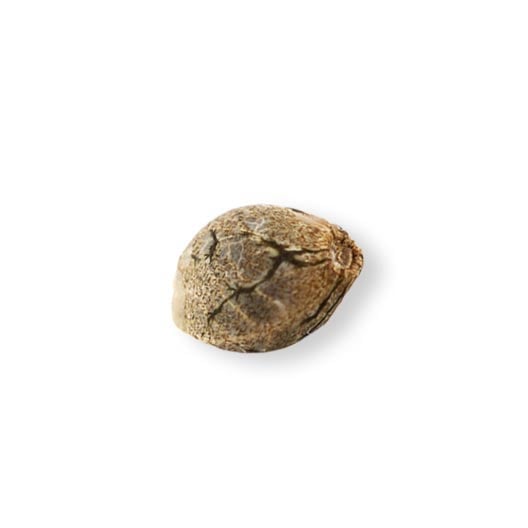
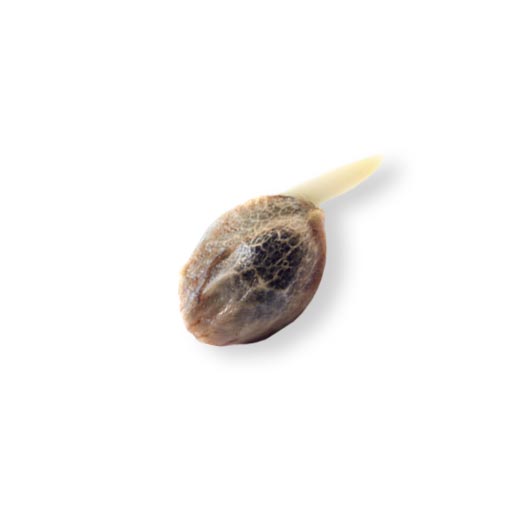
Our germination guide is the perfect way to kickstart the growing process for your Blue Cheese seeds. The process is easy to follow and requires only a few household items, including a glass, a plate, and paper towels. Begin by soaking the seeds in water for up to 24 hours, then nestle them between damp paper towels on a plate. Once you spot taproots, your Blue Cheese seeds are ready for planting! As a bonus, growers who use our germination technique can cultivate confidently, knowing our industry-leading germination guarantee will protect their seeds.
Yields
Blue Cheese can be quite generous during harvest time. Indoor growers using the right techniques can expect yields of up to 18 ounces per square meter. Outdoor cultivators tend to fare even better; when cultivated with care, the Blue Cheese strain will produce even higher yields of up to 20 ounces per plant.
Flowering Time and Harvest
Blue Cheese has a relatively efficient flowering time of approximately 50-60 days when grown indoors. Outdoor growers are encouraged to plant their Blue Cheese seeds in late spring—or after the last frost, which helps avoid damage from chilly weather. By late September to early October, the buds typically develop a dense, resinous structure, appear particularly sticky, and have a pungent, cheesy aroma-meaning your plants are ready to be harvested.
Dominant Terpenes in Blue Cheese
This strain is famous for its creamy, berry-like fragrance and taste. Many fans are drawn to its essence of ripe fruit, with hints of earth and spice. The Blue Cheese strain’s dominant terpenes include myrcene, known for its relaxing qualities, as well as caryophyllene and limonene, which contribute spice and citrus, respectively. Together, these terpenes produce Blue Cheese’s distinct and memorable flavor and scent.
Dominant Cannabinoids in Blue Cheese
The Blue Cheese strain has generous THC levels of up to 20%. As the dominant cannabinoid in this hybrid, the THC content creates a relaxing and euphoric experience defined by its ability to relieve stress, soothe the body, and gently uplift the mind. While other cannabinoids like CBD are present, their levels aren’t potent enough to create noticeable effects. In general, higher THC levels, such as those of Blue Cheese, are best-suited to cannabis fans with some experience and a tolerance for stronger highs.


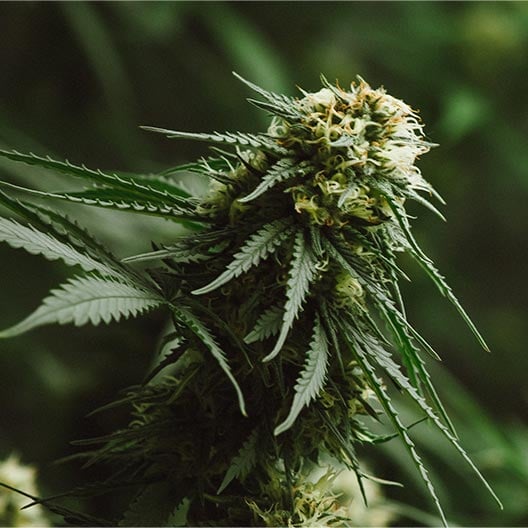

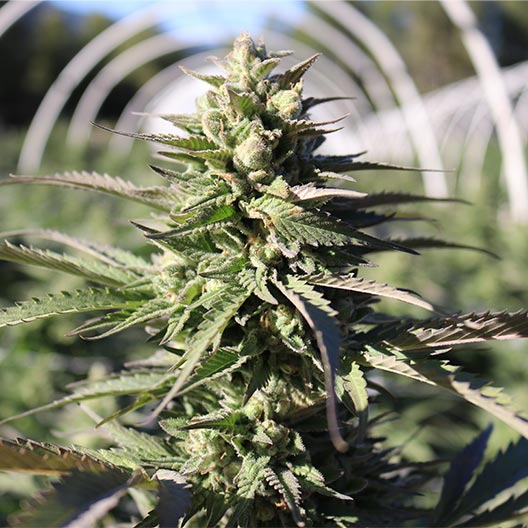


Before harvest, the flowers had a chunky, slightly rugged look that cleaned up beautifully after trimming. For my run, the cured buds carried a creamy berry smell with herbs and earth underneath, which suited the plant perfectly. In my case, rich taste and a relaxed, easygoing character made the finished flower especially enjoyable.
Surprisingly, the biggest challenge was not vigor but keeping the leafy interior from becoming too crowded. For my run, curing gave the buds a cleaner texture and turned the scent into a surprisingly pleasant sweet-and-savory mix. In my case, the personal experience felt mellow and conversational, with flavor standing out more than intensity.
Near the middle of the grow, I realized the plant was going to be much bushier than its modest height suggested. In my case, its branches stayed flexible enough to arrange gently, and the plant handled ordinary care with little drama. The plant taught me to observe more and interfere less, which made the later stages much more enjoyable. For my run, jar time softened the sharp fresh-cut edge and brought forward blueberry, cream, earth, and a mild savory funk.
Some growers love constant surprises; I appreciated that Blue Cheese mostly did what a healthy plant should do. By the finish, a few darker tones appeared around the flowers on my plant, adding character to the frosty green finish. From my notes, the cure was worth the patience because the final flavor had far more depth than the fresh flowers suggested. By the finish, the finished session felt easygoing and cozy, with the berry-and-earth flavor staying noticeable throughout. In my case, a satisfying grow from start to jar.
Around flowering, the garden started smelling noticeably sweeter and earthier whenever I brushed past the plant. For my run, the plant filled outward more than upward on my run, creating a broad shape with plenty of visual interest. In my setup, after curing, the flower smelled less green and more like berries, herbs, cream, and a faint peppery finish. From what I saw, using the finished flower felt mellow, flavorful, and pleasantly unhurried to me.
Soon after flowering began, the plant started developing the thick, slightly chunky appearance I had hoped for. From my notes, curing gave the buds a cleaner texture and turned the scent into a surprisingly pleasant sweet-and-savory mix. By the finish, the personal experience felt mellow and conversational, with flavor standing out more than intensity.
What began as a fairly plain green plant ended as a frosty, aromatic little bush with real jar appeal. In practice, jar time softened the sharp fresh-cut edge and brought forward blueberry, cream, earth, and a mild savory funk. During my grow, the final experience was comfortable and slow-paced, especially with the creamy fruit flavor lingering afterward.
Good structure made the grow feel organized, even when the center became a little fuller than planned. By the finish, the plant had a stocky presence and enough side growth to make every garden check feel different. By the finish, by the end, the buds looked better than they had on the plant because trimming revealed how much frost was hiding underneath. On my plant, the finished aroma balanced sweet fruit with a tangy, earthy character that became smoother over time. For me, using the cured flower felt smooth and laid-back, and the savory berry taste kept my attention.
Seeing the first frosty patches appear was the moment the whole grow started feeling special. In my case, the cure made the aroma feel rounder, with sweet berries becoming clearer while the earthy side stayed grounded. Sampling the cured buds showed how clearly the sweet fruit and earthy funk carried through the whole session.
From the first healthy leaves onward, the grow felt approachable and easy to read. The plant filled outward more than upward on my run, creating a broad shape with plenty of visual interest. The finished buds had a compact structure and a slightly springy feel that held up nicely after curing. After curing, the flower smelled less green and more like berries, herbs, cream, and a faint peppery finish. Using the finished flower felt mellow, flavorful, and pleasantly unhurried to me.