




Description
Holland’s Hope: Keep Hope Alive
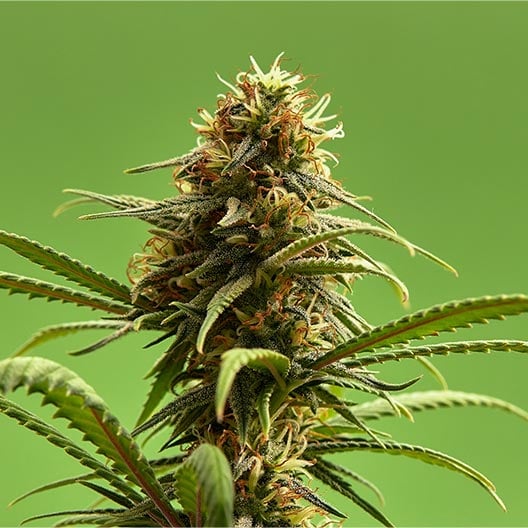
Created in the Netherlands in the 1980s, Holland’s Hope is a cross between Skunk #1 and an unknown Afghani strain. These genetics allow the strain to be both reliable for growers and mellow enough for part-time tokers to enjoy without being overwhelmed.
With an average THC content of 15%, Holland’s Hope produces a calm buzz that won’t affect users as much cerebrally but will pin them to the couch physically. Designed to be grown in less-than-ideal and even colder climates, the strain’s resilience is what makes it the stuff of legend. It is the perfect strain for novice tokers and first-time growers.
Growing Tips for Holland’s Hope Seeds
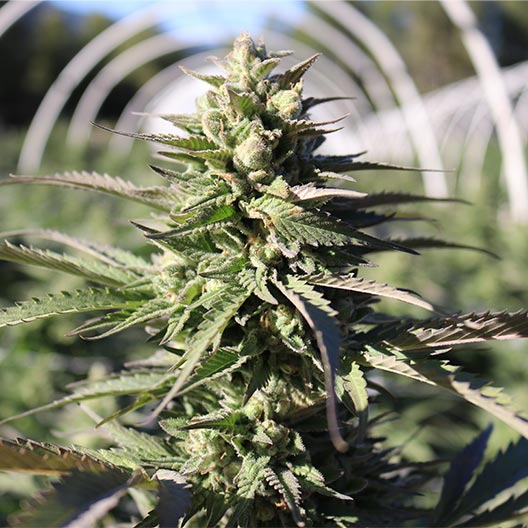
Holland’s Hope plants grow to a compact height, reaching a maximum indoor size of around 3 feet and a taller outdoor height of 6 feet. Like most cannabis strains, it performs best in a closely-controlled environment with Mediterranean climates and lots of sunlight, real or artificial, but because it can endure minor dips and spikes concerning heat and moisture, it serves as a solid choice for beginner growers. It is resistant to mold and mildew and can withstand colder weather and less sunlight, so it is a great choice for folks growing outdoors in the Northeast. Below, we’ve provided effective ways to simplify and streamline the growing process.
Establish consistent conditions
Daytime temperatures of approximately 70-80 degrees Fahrenheit or approximately 21-26 degrees Celsius are ideal for Holland’s Hope plants, although they will grow in colder, rainy climates. It is recommended that you drop the temperature during the flowering stage to encourage resin production. You can drop the temperatures between 5-15 degrees at night to mimic natural sunlight and nighttime temperatures indoors. Humidity levels should be around 40-70% during the vegetative stage, and around 40-50% during the flowering phase. A reduction in moisture can help to encourage a more potent terpene profile.
Recommended Training Techniques
Low-stress Training and Topping methods are the best techniques for the particular strain. These techniques will allow the plant to grow naturally without much outside influence. Topping is crucial with this specific strain to shape the plant’s size as well as trim the highest buds to allow sunlight and air flow to reach the lower levels. Topping the plant will also allow you to alter the plant’s shape and control the bushiness and height of the plant. This plant grows bushy and takes on the shape of a Christmas tree when flowering.
Fine-tune nutrient levels
All cannabis plants benefit from nitrogen, phosphorus, and potassium (NPK). During vegetative growth, Holland’s Hope prefers a well-balanced nutrient cycle throughout the growth, as it promotes leaf and stem production. However, because nitrogen encourages leaf growth, it’s important to reduce levels during the flowering stage. This will allow your plants to channel their efforts towards resin-rich bud development instead. To lower nitrogen levels, try using a bloom formula or simply dilute your existing feed.
Germinating Your Holland’s Hope Seeds
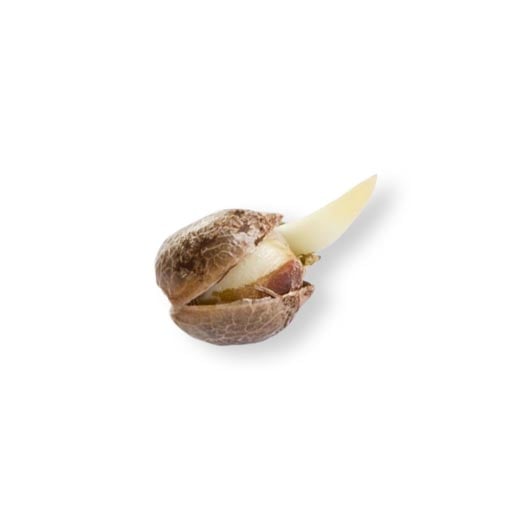
Our straightforward germination guide is an easy-to-understand way for growers of all skill levels to start the growing process. If you have basic items on hand, such as paper towels and water, you can germinate your Holland’s Hope seeds like a pro.
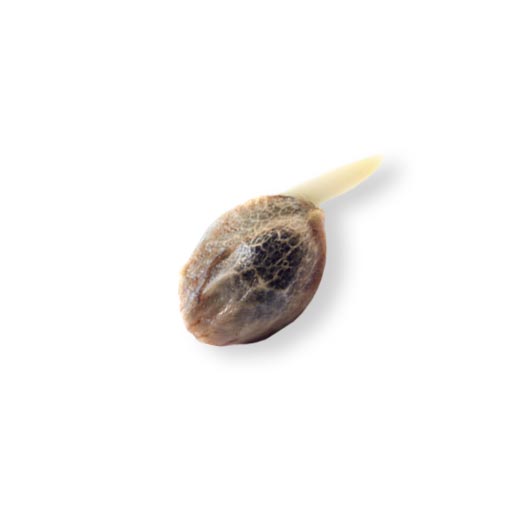
Our step-by-step process allows taproots to emerge within 3–7 days, following which your seeds can be transferred to nutrient-rich soil, a hydroponic setup, or another growing medium of your choice. As an added benefit, growers who use our technique can cultivate with confidence, knowing their seeds are fully protected by our germination guarantee.
Yields, Flowering Times, and Harvest
The Holland’s Hope cannabis strain has a flowering period of approximately 50-60 days, with outdoor harvests typically occurring in the beginning of October. Indoor growers will produce up to 550 grams of trichome-rich buds under proper care, while outdoor growers may see yields of up to 600 grams per plant, so long as environmental conditions remain stable.
Dominant Terpenes in Holland’s Hope
Holland’s Hope’s pungent, old-school scent and earthy, woody, and spicy flavor are, in part, due to dominant terpenes caryophyllene, terpinolene, and pinene. Caryophyllene is one of the most common terpenes found in nature and cannabis plants. It provides a spicy, peppery, and woody aroma profile. Terpinolene produces relaxing effects and has a woodsy and floral scent with citrus flavor. Pinene is most abundantly found in pine needles and conifer trees and gives off an aroma that is similar to pine and earth.
Dominant Cannabinoids in Holland’s Hope
Holland’s Hope’s average THC content of 15% doesn’t mean that it isn’t potent. In fact, the lighter cerebral effects give way to super-strong physical effects, making it a good choice for nighttime or evening smoke sessions. A relaxing and calming wave will wash over the user’s limbs before ultimately surrendering to couch-lock and a feeling of heaviness from shoulders to feet. Settle in and enjoy a few hits of one of the most popular buds on the planet with an amazing history.





My reward after a 60-hour work week. It completely deletes the stress and lets me enjoy my weekend.
Best shared around a bonfire. It makes everyone relaxed and happy. It’s a very “communal” kind of high.
Just threw these in the ground and let them go. They reached five feet and produced a massive harvest with almost zero effort.
Great for my chronic pain. It’s a very physical, grounding high that lasts a long time. It helps me get through the evening comfortably.
I always pack some for the end of a long hike. It helps me relax and enjoy the view. Very grounding and peaceful.
I was impressed by the vigor. It grew fast and strong from day one. The final product is top-shelf quality.
Finally, something that actually works in my region. It handled the early fall rain like a champ. Highly recommended for Northern growers.
This is a legend for a reason. I grow it outdoors in a cooler climate and it never lets me down. Very mold-resistant and hardy.
A very sturdy plant. I didn’t have to do much and it rewarded me with lovely, sticky flowers. Very pleased with the results.
I’ve been growing this since the 90s. Pacific Seed Bank has a very stable version. It always produces heavy, dense indica buds.