



Description
More About the Space Panda Strain
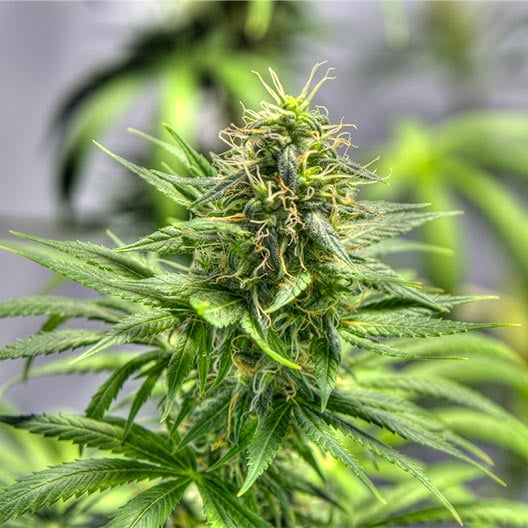
Space Panda is a cross between AS1 and Oreoz, combining modern dessert-style genetics with a deeper, more grounded edge. It leans 60% indica, giving it a slightly heavier structure while still keeping a balanced overall feel.
The aroma stands out right away with notes of chocolate and a subtle tobacco-like richness. It’s not sweet in the usual way. Instead, it has a darker, more layered scent that feels full without being overpowering.
THC levels typically range between 20% and 28%, with some phenos reaching higher within that window. It tends to settle in gradually, starting with a lighter lift before easing into a more relaxed, slower-paced feel.
Growing Tips for Space Panda Seeds
Space Panda is an easy cultivar to work with, making it a strong option for beginners or anyone looking for a smooth grow cycle. It doesn’t require constant adjustments and stays fairly predictable from start to finish.
It grows short, which makes it ideal for indoor setups or limited spaces. Even with its smaller size, it still develops solid bud sites when given proper lighting and airflow.
Minimal training is needed, but a little canopy work can help improve overall light exposure and support more even growth across the plant.
Dial In Your Growing Conditions for Space Panda
This cultivar performs best in a steady environment where temperature and humidity remain consistent. Keeping things stable helps maintain healthy development throughout the cycle.
Lighting should be even across the canopy, especially in indoor setups. Because of its compact size, it’s easier to achieve full coverage without much adjustment.
Feeding should stay moderate. Space Panda responds well to a balanced approach without needing heavy nutrient input.
Yields, Flowering Time, and Harvest
Space Panda has a relatively quick flowering time, typically finishing in about 56 to 60 days. It moves efficiently through its cycle, making it a good option for growers looking for a faster turnaround.
Yields fall into the standard range, with indoor harvests around 370 grams per square meter and outdoor plants producing about 400 grams per plant. It’s not built for massive output, but it delivers consistent results.
Letting it reach full maturity helps bring out its deeper aroma and improves overall bud quality.
Dominant Terpenes in Space Panda
Space Panda is driven by caryophyllene, limonene, and pinene, creating a profile that blends spice, brightness, and a clean finish.
Caryophyllene adds a subtle peppery note that complements its richer aroma. Limonene brings a light citrus lift, while pinene adds a crisp, slightly sharp edge that keeps things balanced.
Together, these terpenes create a scent that feels layered and unique without leaning too heavily in any one direction.
Dominant Cannabinoids in Space Panda
Space Panda typically carries THC levels between 20% and 28%, placing it in a versatile range. It builds gradually and holds steady without becoming overwhelming.
CBD can reach around 1%, which adds a slight layer of balance to the overall profile. The experience tends to move from a light uplift into a more relaxed, slower finish.
It’s a solid choice for growers who want something easy to cultivate with a richer flavor profile and consistent results at harvest.


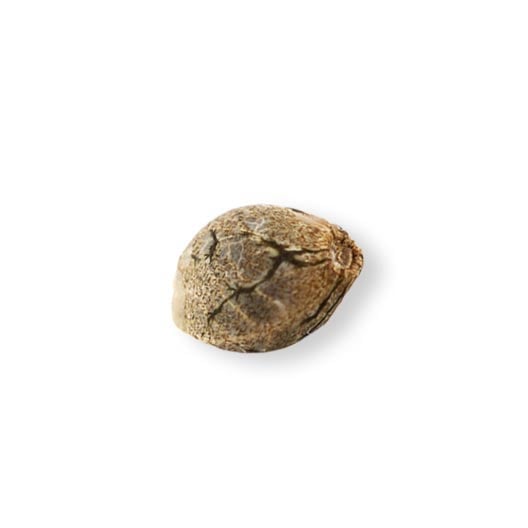

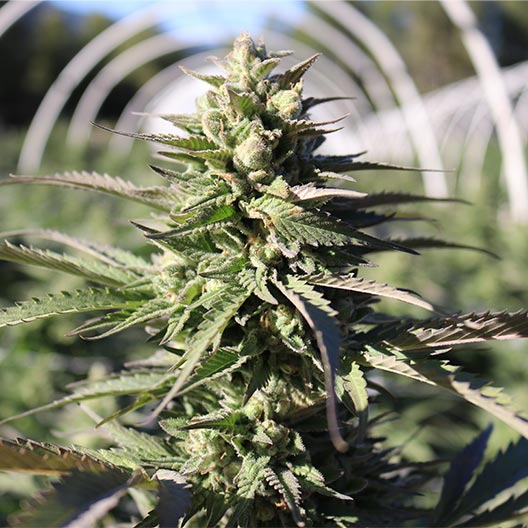
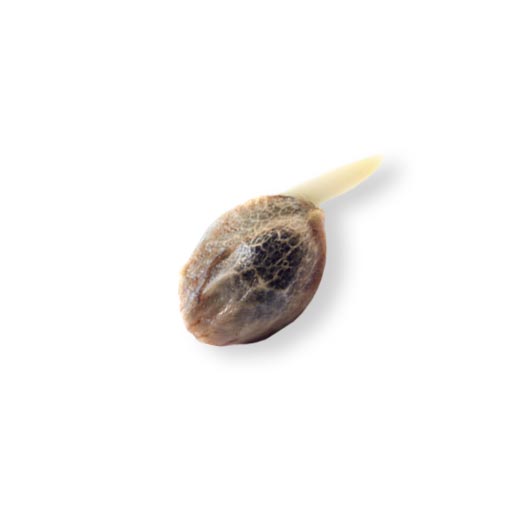


Three-run consistency check for Space Panda: yields 468, 511, 523 g/m². Finish days 56, 58, 57. Purple expression: present in all three runs. Chocolate-tobacco aroma: consistent across all three at equivalent cure time. The genetics are stable and the performance is predictable. Coefficient of variation on yield: 5.4% — within acceptable range for photoperiod genetics with phenotypic variation. Reliable production strain.
Aroma development logged: Week 4 flower — faint earthy chocolate. Week 5 — chocolate-tobacco more distinct, slight diesel noted. Week 6 — full pungent expression, carbon filtration required. Cure week 1 — tobacco dominant. Cure week 2 — chocolate integrates, earthiness rounds out. Cure week 3 — complete profile: chocolate, tobacco, earth, diesel. Optimal cure minimum for full profile: 21 days.
First grow of Space Panda and the experience of a 56-day photoperiod was genuinely new. I’d grown autos faster but never a full-term photoperiod with this timeline. The speed doesn’t compromise the quality — the trichome coverage at day 58 was as thorough as anything I’ve harvested from a nine-week+ run. The genetics are doing something specific to achieve both the speed and the quality simultaneously.
The effect settles in gradually rather than arriving all at once. There’s an initial mental quality — elevated, slightly introspective — that gives way to the body ease the indica genetics produce. That second phase is where Space Panda earns its reputation for being a proper evening strain. The couch-lock potential is real at higher doses. At moderate doses, the relaxation is present but functional.
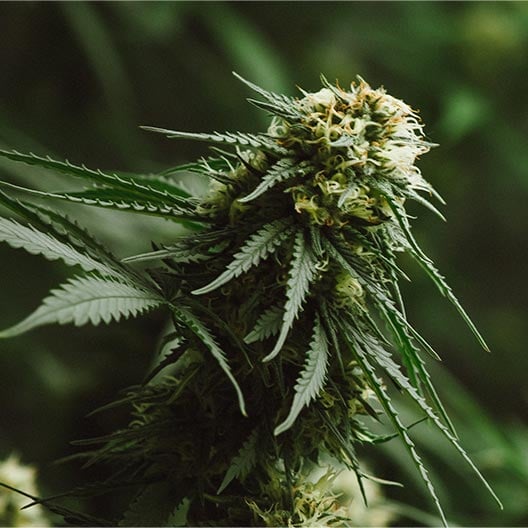
Minimal leaf. Great internodal spacing. Trim time was half what I expected for the yield produced. That’s the practical value of good genetics.
First run of Space Panda as my first photoperiod grow after a season of autos. The transition was fine — actually better than I expected — specifically because this strain is so forgiving. The mold resistance gave me confidence, the minimal-leaf structure made management easy, and the 58-day finish meant I wasn’t waiting long at all. Strong recommendation for anyone making the auto-to-photo transition.
Atlas calls this a ‘renaissance variety’ and after two grows I understand what they mean. It’s not one exceptional thing — it’s an unusual number of good things together: fast, high-yielding, low-maintenance, visually excellent, aromatically specific, and with an effect profile that’s complete and distinct. The chocolate-tobacco aroma alone sets it apart from most modern dessert-forward genetics. Good grows happen from good genetics and Space Panda has them.
Comparative run: Space Panda alongside a modern dessert hybrid in same tent, same lighting, same nutrients. Space Panda: day 58 finish, 511g/m², minimal leaf, excellent trichome density. Competing strain: day 65 finish, 478g/m², moderate leaf, similar trichome coverage. Space Panda was faster, higher-yielding, and easier to process. The chocolate-tobacco profile is less common than the fruity dessert category but more distinctive in a lineup.
Trichome inspection protocol: Space Panda at day 56 showed 65% cloudy, 20% amber, 15% clear. Day 58: 70% cloudy, 25% amber, 5% clear. Harvested day 58. The amber percentage is accelerating at this point — the 56-60 day window is real and the trichome ratio shifts noticeably within that range. Daily inspection from day 54 is recommended for growers targeting a specific effect profile.
Internodal spacing assessment: Space Panda demonstrated the widest effective internodal spacing of any indica-dominant strain I’ve run in the past two seasons. This directly reduces the canopy management burden — defoliation requirements were 60-70% lower than compact indica comparisons at equivalent density. Each bud site received adequate light without aggressive canopy intervention.