Growing marijuana from seeds can feel like a big task at first. While there is much information to absorb, breaking it down into sequential steps makes it far easier. This guide lays everything out clearly, starting with choosing your seeds and ending with harvesting the finished buds. Every step has a purpose, and every part matters if you want healthy plants.
Picking the Right Seeds
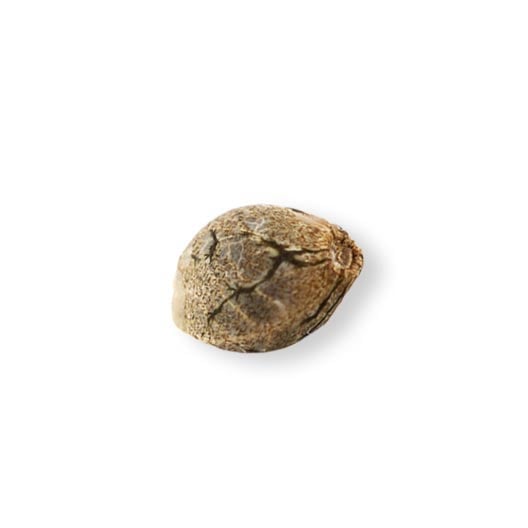
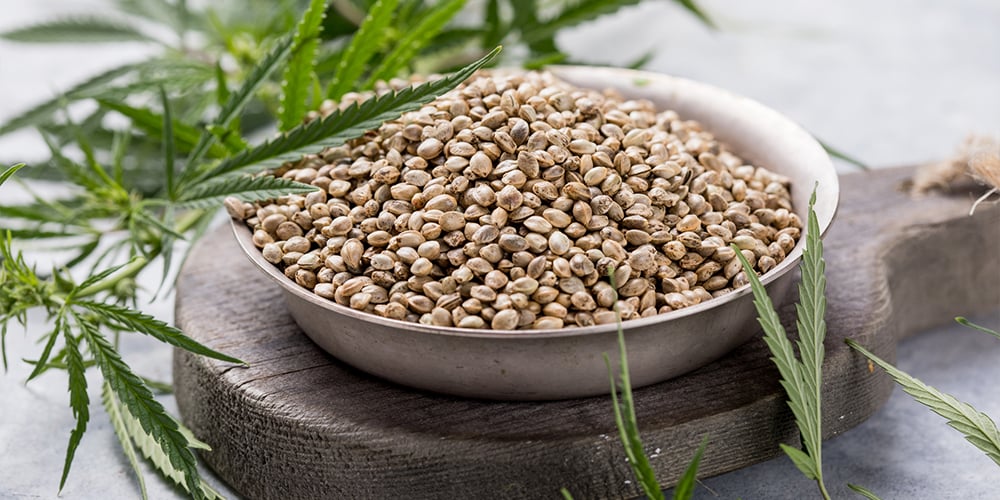
The growth of any plant always begins with a seed. There can be various types of seeds having different properties, and the ones you start with significantly impact the outcome. Most cultivators opt for three categories: regular, feminized, and autoflowering seeds. Regular seeds are known to have male and female plants, which are useful for breeders, but may turn into a gamble if you’re not. Feminized seeds usually produce only female plants, the ones that grow buds. Autoflowering seeds spark the interest of beginners as they start flowering on their own based on age instead of a light schedule.
Indica, sativa, and hybrids all grow differently. Indica strains tend to stay short and flower faster, while sativas get taller and take longer. Hybrids give a mix of both traits. If space is tight, go with something compact. If you want more yield and don’t mind waiting longer, a taller strain might suit you better.
Germinating the Seeds
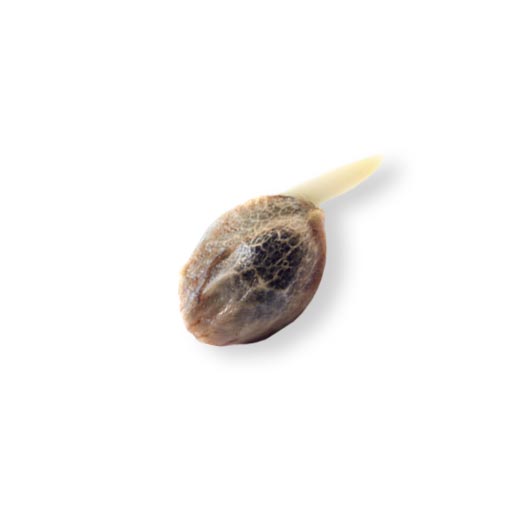
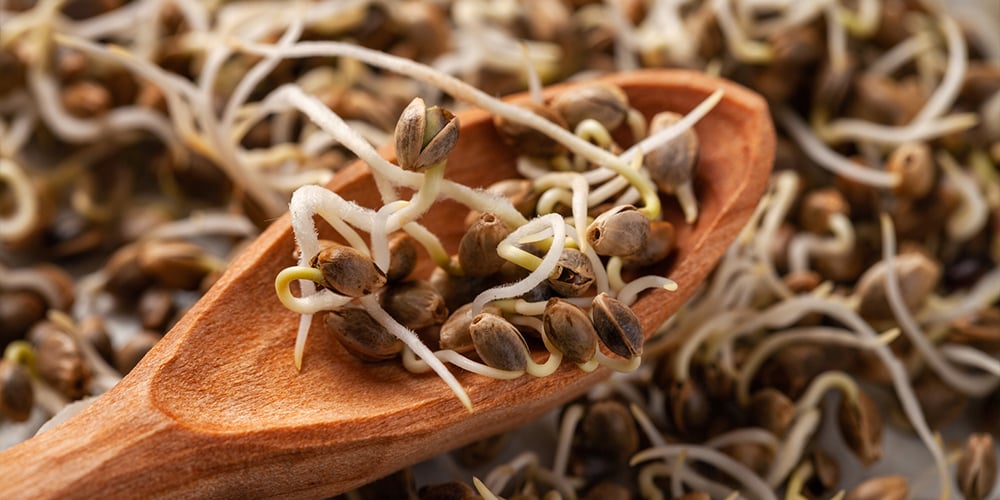
Germination wakes the seed up. A good start here can lead to a strong plant. Many growers use the paper towel method. It’s simple and works well. Place seeds between two damp paper towels, keep them in a warm dark place, and check them daily. Once a white taproot pokes out, it’s ready for planting.
Some skip the towel and plant seeds directly in soil or starter cubes. This works too, as long as the medium stays moist and warm. Seeds usually sprout in two to seven days, but some take longer.
Choosing the Right Growing Medium
Soil is a natural choice. It’s forgiving and works great for beginners. Using soil in its lightest and airy form can grant access to nutrients and room for root growth easily. Adding perlite and compost can enhance the results of his mixture. Avoid heavy or clay-like soil that holds too much water.
Coco coir offers faster growth and better control over feeding. It looks like soil but acts more like hydroponics. Then there’s full hydroponics, which uses no soil at all. Plants grow in water or other media like clay pellets and get nutrients through the water. These systems grow faster but require more attention and care.
Indoor Setup and Lighting
Indoor growers need to create the right environment. Lights are one of the most important parts. Plants need plenty of light during both veg and flowering stages. LED lights are energy-efficient and don’t give off too much heat. They’ve become very popular because they’re easier to manage and last longer than older bulbs.
During veg, plants usually do well with 18 hours of light and 6 hours of dark. Flowering needs a switch to 12 hours of light and 12 of darkness. Timers help manage this without needing to turn lights on and off manually.
Proper Temperature and Humidity
Warmer temperatures are more desirable than hot temperatures for plants. Generally, a range of 70 to 85 degrees Fahrenheit is ideal for them. While most plants do fine with cooler nights, sharp temperature changes are dangerous. Furthermore, they are not the only factor that needs to be considered. Additionally, seedlings tend to do best at around 65 to 70 percent humidity. It would be beneficial to gradually lower the humidity as the plants grow. While in the flowering stage, sustaining the humidity around 40 percent reduces the chances of mold and mildew.
Using a thermometer and hygrometer helps keep track of conditions. Small changes can make a big difference, especially in a closed grow room.
Watering and Feeding
Marijuana plants don’t need to be soaked all the time. Overwatering is one of the most common mistakes. Letting the top inch or two of soil dry out before watering again keeps roots healthy and prevents fungus. Lifting the pot can help gauge if it’s time to water. A light pot usually means it’s dry enough.
Nutrients come in two main parts: base nutrients and supplements. During veg, plants need more nitrogen. Flowering requires more phosphorus and potassium. Most nutrient lines label their bottles clearly, making it easy to follow a feeding schedule.
Always start with lower amounts than what’s listed. Plants can react badly if fed too much too soon. Watch for signs like yellowing leaves or burnt tips. Flush with plain water if that happens.
Transplanting and Training
Most growers start seeds in small containers, then move them to larger ones as roots fill the space. Transplanting should be done gently, and the plant should be watered afterward to help it settle.
Training techniques like topping, LST (low-stress training), and pruning shape the plant to grow wider rather than taller. This exposes more bud sites to light and increases yield. Some growers also use SCROG nets or trellises to keep branches spread out and even.
Watching for Pests and Problems
Even indoor plants can face trouble. Common issues include fungus gnats, spider mites, and nutrient imbalances. Keeping the grow area clean, not overwatering, and inspecting leaves regularly helps catch problems early. Sticky traps and natural sprays like neem oil can help manage pests.
Leaves tell a lot about plant health. Curling, discoloration, or spots usually mean something’s off. Adjusting light height, watering habits, or nutrients often solves the problem without much trouble.
Flowering and Bud Development
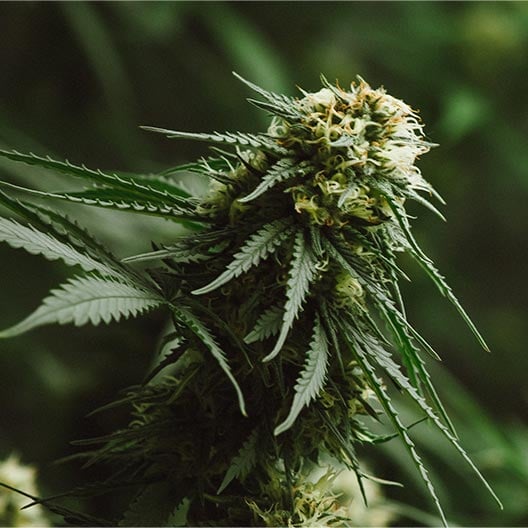
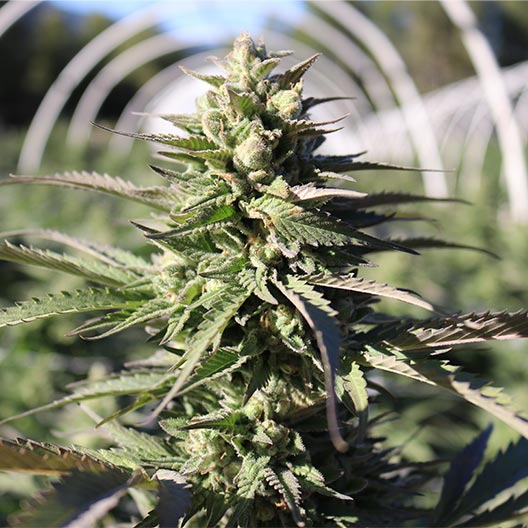
After the light schedule changes to 12 hours on and 12 off, plants begin flowering. Buds start forming and growing denser week after week. This stage usually lasts 8 to 10 weeks, depending on the strain.
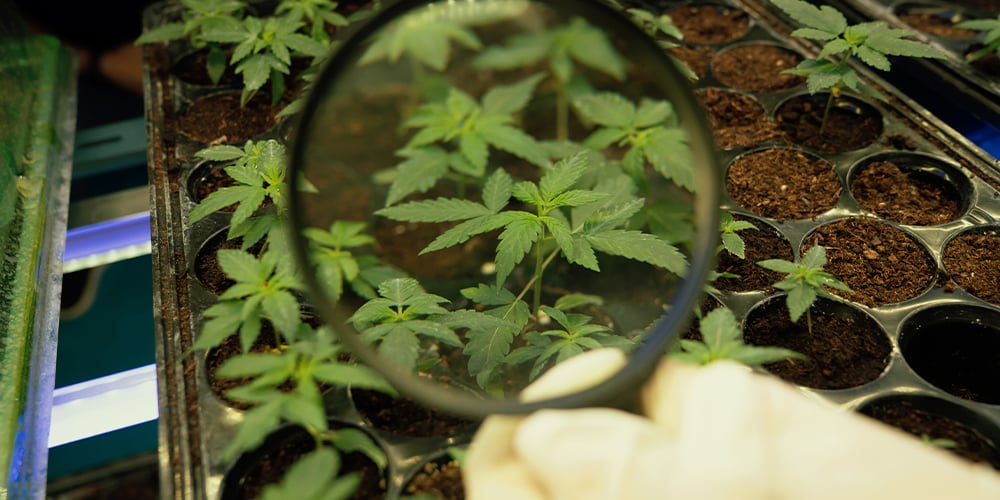
Smell becomes stronger, and trichomes start covering the buds. These tiny crystal-like heads are where THC and other cannabinoids form. Toward the end, pistils darken and curl in. This signals that harvest time is near, but the best way to check is by looking at trichomes under a small magnifying glass.
Flowering and Bud Development
After the light schedule changes to 12 hours on and 12 off, plants begin flowering. Buds start forming and growing denser week after week. This stage usually lasts 8 to 10 weeks, depending on the strain.
Smell becomes stronger, and trichomes start covering the buds. These tiny crystal-like heads are where THC and other cannabinoids form. Toward the end, pistils darken and curl in. This signals that harvest time is near, but the best way to check is by looking at trichomes under a small magnifying glass.
Curing for Better Flavor and Strength
Curing improves flavor, smoothness, and potency. Place dry buds in glass jars and open them once or twice a day to let out moisture. This helps prevent mold and evens out dryness. After a few weeks of curing, buds smell better and taste cleaner.
Many growers cure for at least two to four weeks. Some go even longer. A slow cure rewards your patience and gives better results than rushing it.
Growing marijuana from seeds teaches patience and care. Each stage builds on the last, and even small choices matter. The more attention you give your plants, the more they give back. Whether you’re growing one plant or many, the experience can be deeply rewarding and fun to learn.