Humidity domes are basically mini greenhouses. They create the perfect warm, moist environment that your cannabis seeds need to pop. Think of it as a VIP lounge for your seeds. It locks in moisture so they never dry out. This simple piece of plastic can seriously boost your germination success, especially for those premium feminized and autoflower cultivars you’ve invested in.
Why Humidity Domes Are Your Secret Weapon
Let’s be real. You’ve picked up some top shelf seeds from us here at Pacific Seed Bank, and the last thing you want is for them to fail. The first few days of a seed’s life are the most critical, and that’s where a humidity dome becomes your best friend. It’s way more than just a plastic cover; it’s a tool for creating a stable microclimate.
When you plant a seed, it needs consistent moisture to soften its shell and send out that first taproot. The number one killer of new seedlings? Dry soil. It can happen in a flash, especially under grow lights. A dome traps the moisture from your starter plugs or soil, recycling it and keeping everything perfectly damp.
Here’s a quick look at why these simple tools are so effective.
Humidity Dome Quick Facts
A quick look at why humidity domes work and what they do for your cannabis seedlings.
| Feature | Benefit for Your Seedlings |
|---|---|
| Moisture Retention | Traps humidity to keep starter plugs and soil from drying out, protecting the taproot. |
| Temperature Stability | Holds warmth from a heat mat or lights, creating a cozy environment for faster sprouting. |
| High Relative Humidity | Allows young seedlings to absorb moisture through their leaves, reducing stress on new roots. |
| Physical Protection | Acts as a shield against drafts, temperature swings, and physical disturbances. |
This simple setup takes so much of the guesswork out of those critical first days.
The Science Made Simple
So, what’s actually happening under that plastic? It’s all about maintaining a high level of relative humidity (RH). Young seedlings and un-germinated seeds can’t pull much water up through their roots yet. They don’t really have any! Instead, they absorb a lot of moisture right from the air through their tiny leaves.
A humidity dome keeps the air around them saturated. This takes the pressure off that brand new root system.
This controlled environment offers a few huge advantages:
- Consistent Moisture: Prevents the topsoil from crusting over and protects the delicate taproot from drying out and dying.
- Stable Temperatures: The dome traps warmth from a heat mat or your grow light. This creates a cozy climate that encourages seeds to sprout faster.
- Protection: It acts as a physical barrier. It shields your vulnerable seedlings from drafts, pets, or other disturbances in your grow space.
This setup has completely changed the game for home growers. Humidity domes are known to maintain RH levels between 80-95%, which is the absolute sweet spot for germination. Data from greenhouse research shows that this kind of controlled environment can improve germination rates by up to 30-50% compared to just leaving them in an open tray. That means you get more value from every single seed you plant. You can explore more about greenhouse microclimates and their benefits to see just how powerful this concept is.
More Than Just Germination
The benefits don’t stop once the seed pops. In those first few days after sprouting, the seedling is still incredibly fragile. Keeping the dome on (with the vents closed for now) provides that gentle, humid environment it’s used to.
This allows the plant to focus all its energy on developing a strong root system instead of fighting to survive in the drier, open air of your room.
Think of it this way: a humidity dome is like a buffer for your seedlings. It gives them a gentle transition from the safety of the seed shell to the real world of your grow room. It’s an easy, low cost way to get your grow off to a powerful start.
Setting Up Your Dome for Perfect Germination
Alright, you’ve got the gear, so let’s put it to work. Setting up your humidity dome is pretty straightforward, but a few key details can make a huge difference in your germination success. Getting this right from the jump ensures your valuable autoflower and feminized seeds have everything they need to thrive.
The whole point is to create a consistently moist, warm little haven. We’re aiming for a “damp sponge” vibe with your starter medium, not a swamp. Overly wet conditions are just as bad as dry ones and are a fast track to problems like damping off. Let’s walk through the setup, step by step.
Preparing Your Starter Medium
First things first, you need to decide what you’re planting into. Whether you’re a fan of starter plugs like Rapid Rooters, Rockwool cubes, or just a light seedling mix in a cell tray, the prep is pretty much the same.
Your goal is to get the medium properly hydrated before you even think about putting the seeds in. Grab a bowl or tray and let your plugs soak in pH balanced water (aim for 6.0-6.5) until they’re fully saturated. Then, give them a gentle squeeze to get rid of the excess. They should feel damp to the touch but definitely not be dripping when you handle them.
If you’re using a loose seedling mix, put it in a container and slowly add your pH’d water, mixing with your hands until it has that perfect, crumbly moisture level.
Planting Your Cannabis Seeds
With your medium prepped and ready, it’s time for the main event. How you plant really depends on your preferred germination method, but the two most common approaches work perfectly with humidity domes.
- Direct Sowing: This is the easiest route. Just make a small hole in your starter plug or soil, about a quarter to a half inch deep. Gently drop your seed in (a pair of clean tweezers is your best friend here) and lightly cover it back up. Don’t pack the soil down.
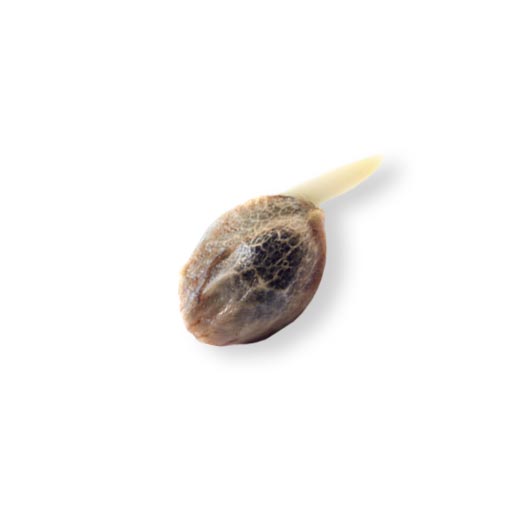
- Paper Towel Method: A lot of growers swear by this one. Once your seed has popped and shows a small taproot, you’ll carefully transfer it to the starter plug. Again, use tweezers to place the seed, taproot down, into the pre made hole and cover it gently.
No matter which way you go, the next steps are identical. Arrange your prepared plugs or cells in your propagation tray, and you’re almost there.
The key here is consistency. A properly prepped medium provides the seed with all the moisture it needs to get started. The dome then locks that moisture in, creating a hands off environment for the first few critical days.
Assembling Your Germination Station
Now it’s time to bring it all together. Once your seeds are planted in the tray, give the surface a light misting with a spray bottle. This adds a final bit of surface moisture and gives the initial humidity a nice boost when you place the cover on.
Next, place the clear plastic humidity dome securely over the tray. You want to make sure it forms a good seal to trap all that precious moisture inside. If your dome has vents, close them completely for now. We want to build up that high humidity environment.
Finally, let’s talk about the heat mat. While not strictly necessary, a seedling heat mat placed under your tray is a total game changer. It keeps the root zone at a consistent, cozy temperature, typically around 75-80°F (24-27°C). This seriously speeds up germination for most cannabis cultivars. It provides that gentle, even warmth right where the action is happening.
Your full setup should look like this:
- Seedling Heat Mat (Optional but highly recommended)
- Propagation Tray (With your planted seeds)
- Humidity Dome (Securely placed on top, vents closed)
And that’s it! You’ve just created the perfect little incubator for your seeds. Now all you need to do is place it under a gentle light source (a low power fluorescent or LED works great) and let nature do its thing.
Finding the Sweet Spot for Humidity and Temperature
Let’s get down to the numbers that matter. Your seedlings are incredibly sensitive at this stage, and dialing in their environment is the most important thing you can do for them. Think of it this way: you’re trying to create the perfect spring morning, every single day. A humidity dome is your tool for the job, but you still need to aim for the right targets.
Knowing these numbers helps you unlock the full potential of your autoflower and feminized cultivars right from the jump. This isn’t about getting bogged down in complex science. It’s about giving your plants exactly what they need to build a strong foundation.
The Ideal Humidity Range
For brand new sprouts, humidity is king. High humidity lets the tiny plants pull moisture directly through their first set of leaves. This takes a ton of stress off their brand new, still developing root systems. You’re aiming for a relative humidity (RH) of 85-95%.
This super moist environment keeps your starter plugs from drying out and gives each seedling a gentle welcome to the world. A good sign you’re in the right zone is seeing condensation build up on the inside of the dome.
A humidity dome basically creates a tiny tropical paradise for your seeds. It’s this high moisture level that encourages even the toughest seeds to pop and helps new sprouts establish themselves without a struggle.
Decades of research back this up. High humidity creates an ideal vapor pressure deficit (VPD) for young plants, which is just a fancy way of saying it’s the perfect balance of temperature and moisture. This balance kicks photosynthesis and nutrient uptake into high gear, which is critical for developing great cultivars. For a deeper look, check out the science behind ideal greenhouse microclimates to see why this works so well.
The Perfect Temperature for Sprouting
Warmth is the other half of the equation. Cannabis seeds need a consistently warm environment to get the signal that it’s time to germinate. Think of temperature as the green light that tells the seed it’s safe to start growing.
Your target temperature range is 75-80°F (24-27°C) right at the root zone.
This is exactly why we’re big fans of using a seedling heat mat under the propagation tray. While your grow lights provide some ambient warmth, a heat mat delivers gentle, consistent heat directly to the starter plugs where it matters most, keeping things cozy 24/7.
How to Monitor Your Setup
You don’t have to fly blind. A couple of simple, inexpensive tools will tell you everything you need to know to manage your seedling’s environment like a pro.
- Hygrometer: This little gadget measures relative humidity. You can find small digital hygrometers that fit right inside your dome. Just place it in the tray next to your seedlings to get an accurate reading.
- Thermometer: Many hygrometers have a built in thermometer, but a separate digital one works just as well. Some heat mats even come with a thermostat probe you can stick directly into a starter plug for a precise root zone temperature reading.
With these tools, you can make small adjustments with total confidence. If the humidity drops, a quick spritz with a spray bottle will bring it right back up. If the temp is too low, you know the heat mat is the answer. Getting these two factors right is the secret to a successful start.
When and How to Vent Your Humidity Dome

Alright, your seeds have popped, and you’ve got tiny green sprouts pushing their way up. Nicely done. Now comes the tricky part: getting them ready for the real world. You can’t just keep that humidity dome on forever.
Think of the dome as a protective bubble for a newborn. It’s the perfect environment at first, but your seedlings eventually need to acclimate to the drier, breezier air of your grow space. Just ripping the dome off all at once is like throwing them into the deep end. It’s a shock that can easily stunt their growth or even kill them.
Instead, we gradually introduce them to their new home. This process is called hardening off, and it’s absolutely critical for building strong, resilient plants that won’t get weak and floppy later on.
Spotting the Signs Your Seedlings Are Ready
So, how do you know when it’s time to start? Your plants will tell you. You’re looking for the first set of true leaves to emerge.
Don’t get these mixed up with the first two little round leaves that pop out of the seed. Those are the cotyledons, and they’re basically the seedling’s packed lunch. The true leaves are the second set to appear, and they’ll look like tiny, serrated versions of a classic cannabis leaf.
Once you see those true leaves unfurling, it’s game on. This is the signal that the seedling’s root system is developed enough to start pulling water from the soil on its own. This means it no longer has to rely entirely on high humidity.
Getting this timing right is crucial. Starting the venting process at the sight of true leaves ensures the seedling is strong enough to handle the change. This prevents shock and sets the stage for vigorous, healthy growth.
The Daily Venting Schedule
Hardening off is all about taking it slow and steady. Most humidity domes made for seedlings have adjustable vents on top, which makes this process a breeze. If your dome doesn’t have vents, no big deal. You can just prop up one corner of the dome to achieve the same effect.
Here’s a simple, easy to follow schedule that works like a charm. We’ll do this over the course of about a week.
Day 1-2: The First Breath of Fresh Air
- Action: Open the vents on your dome just a tiny crack, maybe a quarter of the way open.
- Goal: You’re just introducing a small amount of drier air. Keep a close eye on your seedlings to make sure they aren’t wilting.
Day 3-4: Opening Up a Bit More
- Action: Open the vents to about the halfway mark.
- Goal: The seedlings are now getting a bit more accustomed to the lower humidity. They should still look perky and green.
Day 5-6: Almost There
- Action: Open those vents all the way.
- Goal: At this point, your plants are experiencing nearly the full airflow of your grow room but still get some residual benefit from the dome’s protection.
Day 7: Time to Fly
- Action: Take the dome off completely for a few hours during the day, then put it back on at night.
- Goal: This is the final test before they leave the nest for good. Watch them closely for any signs of stress.
Day 8: Freedom!
- Action: If your seedlings handled Day 7 without any issues, you can now remove the dome completely.
- Goal: Congratulations! Your plants are officially hardened off and ready for the next stage of their life.
Throughout this entire process, pay attention to your starter medium. As you increase airflow, the plugs or soil will begin to dry out faster. You may need to start watering them lightly with a spray bottle to keep them from getting too dry. Just aim to keep the medium damp, not waterlogged.
Following this simple schedule will give your autoflower and feminized cultivars the sturdy start they need for a killer harvest down the road.
Choosing Your Dome and Smart DIY Alternatives
You don’t need to break the bank to give your seedlings a killer start. Whether you’re buying a ready made humidity dome or getting creative with stuff around the house, the goal is the same: create that warm, moist environment your new plants crave.
Let’s talk about what to look for if you’re buying and how to pull off a solid DIY version if you’re not. Both paths lead to healthy, thriving seedlings. It really just comes down to your budget and how many seeds you’re popping.
What to Look for in a Store-Bought Dome
If you’re heading to the grow shop or browsing online, you’ll find plenty of options for humidity domes. They’re not complicated, but a few features make a big difference in how easy they are to use.
When you’re shopping, keep these things in mind:
- Adjustable Vents: This is a huge one. Vents you can open and close make the whole hardening off process way easier. You get precise control over airflow without having to prop the dome open.
- Durable, Clear Plastic: Look for a dome made from sturdy plastic that won’t crack after one season. It also needs to be crystal clear to let in maximum light for your little sprouts.
- The Right Size: Domes come in all shapes and sizes. You can find small ones that fit over a single pot or massive ones designed for a standard 10×20 propagation tray. Just pick the size that matches the scale of your grow.
- Dome Height: Get a dome that’s tall enough. You want at least a few inches of clearance above your seedlings so they have room to stretch before it’s time to take the dome off for good.
A good quality, purpose built humidity dome is a solid investment for any serious grower. It takes the guesswork out of the equation and gives you reliable, repeatable results for all your autoflower and feminized cultivars.
Getting Creative with DIY Humidity Domes
We’re all about a good DIY hack, and making your own humidity dome is one of the easiest projects out there. You probably have everything you need in your recycling bin right now. The principle is exactly the same: trap moisture and warmth.
Here are a couple of super simple but effective DIY ideas:
The Plastic Bottle Method
This is perfect if you’re just germinating a few seeds in separate pots.
- Grab a clear 2-liter soda bottle or a large water bottle.
- Carefully cut the bottom third of the bottle off.
- Place the top part of the bottle directly over your pot.
- Unscrewing the cap works just like opening a vent for hardening off. Easy.
The Food Container Method
Clear plastic salad containers or those rotisserie chicken containers are basically pre made humidity domes.
- Make sure the container is deep enough for your starter plugs or small pots.
- If the lid doesn’t have holes, poke a few in it with a screwdriver or drill bit to allow for some airflow later on.
- Place your pots inside, put the lid on, and you’re good to go.
These DIY options are awesome because they’re free and they absolutely get the job done. The main downside is that they can be a bit flimsy and don’t offer the same level of control as a commercial dome. But for a small grow or if you’re just starting out, they work great.
Ready to give your seedlings the VIP treatment they deserve? At Pacific Seed Bank, we’ve got a massive selection of premium feminized and autoflower cultivars that are perfect for your next grow. Check out our full catalog and get started today at https://pacificseedbank.com.
FAQs
How Long Should I Keep the Humidity Dome On My Seedlings?
This is probably the number one question we hear, and the answer is all about watching your plant for the right signals. You’ll want to keep the dome on from the moment you plant your seed until the seedling grows its first set of true leaves.
Now, don’t get these confused with the first two little round leaves that pop out. Those are the cotyledons, basically the seedling’s baby food. The true leaves are the second set to appear, and they’ll have those classic, serrated edges you recognize. They look like tiny cannabis leaves, because that’s exactly what they are.
Once you spot those, it’s your cue to start the hardening off process we covered earlier. This whole phase, from popping soil to starting to vent, usually takes about 7 to 14 days. Leaving the dome on too long is a classic rookie mistake. It cranks up the moisture and can lead to “damping off,” a nasty fungal issue that rots the stem right at the soil line.
Do I Need to Water My Seedlings When They Are Under a Dome?
Hardly at all, and that’s the beauty of it. The whole point of the dome is to trap moisture, creating a self sustaining little ecosystem that keeps your starter plugs or soil perfectly damp. Before you even put the dome on, you should have already moistened your growing medium until it’s like a well wrung out sponge. Damp, but not dripping.
For the first week or so, you probably won’t need to water at all. The high humidity inside the dome does most of the heavy lifting, allowing the seedling to absorb moisture right from the air.
If you peek inside and notice the soil surface looking a bit dry, just grab a spray bottle and give it a light misting. Whatever you do, don’t pour water directly onto your fragile little seedling. A heavy stream of water can easily knock it over or damage its delicate stem.
The real magic of using humidity domes for seedlings is how they create a stable, low maintenance environment. You’re basically setting up a self watering system for those first critical days, letting you step back and let nature do its thing.
Can I Reuse My Humidity Dome?
Absolutely, and you definitely should. Reusing your gear is just smart, sustainable growing. But there’s one non negotiable rule you have to follow: you must sanitize your dome and tray after every single use.
Old trays are a breeding ground for pathogens like fungi and bacteria that can wipe out your next crop before it even gets started. A clean start is a healthy start, every single time.
The cleaning process is super simple:
Wash It: First, scrub the dome and tray with soap and warm water to get rid of any old soil or plant gunk.
Sanitize It: Next, let them soak for about 10 to 15 minutes in a sanitizing solution. A simple mix of one part household bleach to nine parts water works perfectly. If you’re not a fan of bleach, a diluted hydrogen peroxide solution also gets the job done.
Rinse and Dry: After the soak, rinse everything thoroughly with clean water to wash off any chemical residue. Let it all air dry completely before you tuck it away for your next run.