What Is Seed Germination?
Seed germination is the biological process by which a seed emerges from a period of dormancy and begins to develop into a new plant. It marks the first stage of a plant’s life cycle, transitioning from a dormant embryo into an actively growing seedling.
Successful germination depends on a combination of internal seed viability and external environmental factors. Once the right conditions are met, the seed’s metabolic processes resume, initiating growth.
The Germination Process Explained
Germination begins when a viable seed absorbs water through its outer coating, triggering internal enzymatic activity. This initiates the breakdown of stored food reserves, providing energy for the embryo to grow.
The stages of germination typically follow this sequence:
- Imbibition – Water uptake by the seed.
- Activation – Enzymes become active, and metabolic functions begin.
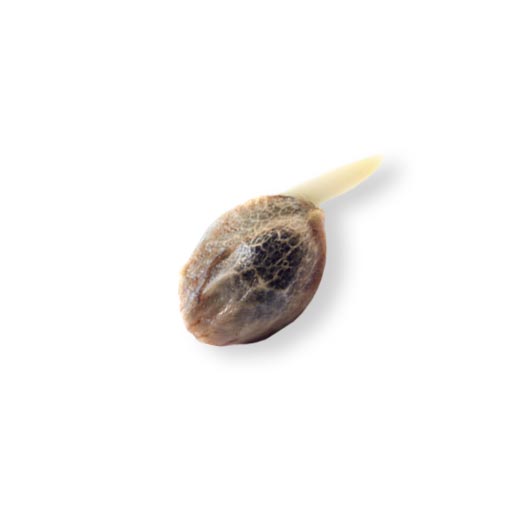
- Radicle Emergence – The embryonic root (radicle) breaks through the seed coat.
- Shoot Development – The shoot (plumule) grows upward, seeking light.
- Seedling Establishment – The seedling develops leaves and starts photosynthesis.
- This complex physiological transformation is tightly regulated by both genetics and the environment.
Factors Affecting Germination (Moisture, Temperature, Light, Oxygen)
Several key factors influence whether a seed will successfully germinate:
- Moisture: Adequate water is essential for initiating metabolic activity. However, excess moisture can cause rot or fungal growth.
- Temperature: Each plant species has an optimal temperature range for germination. Too cold or too hot can delay or prevent sprouting.
- Light: Some seeds require light to germinate (positive photoblastic), while others require darkness (negative photoblastic). Most are indifferent.
- Oxygen: Aerobic respiration during germination requires oxygen. Poorly aerated soils or oversaturation can lead to seed failure.
Understanding these factors allows growers to create ideal germination environments tailored to specific plant types, increasing success rates significantly.

Common Germination Techniques
There are several tried-and-true methods for germinating seeds, each with advantages depending on seed type, growing conditions, and gardener experience. The following are the most popular germination techniques used by hobbyists, horticulturists, and commercial growers alike.
Paper Towel Germination
The paper towel method is a widely used indoor germination technique that offers high visibility and moisture control.
Quick Steps:
- Moisten a paper towel with clean water.
- Place seeds evenly spaced on half the towel.
- Fold it over and place in a zip-top plastic bag or container.
- Store in a warm, dark place (65–75°F / 18–24°C).
- Check daily for sprouting.
Benefits: Easy to monitor; minimizes soil-borne disease risk.

Water Soaking Method
In this technique, seeds are pre-soaked in water to soften the seed coat and kick-start internal metabolic processes.
Quick Steps:
- Place seeds in a glass or bowl of room-temperature water.
- Soak for 8–24 hours (never more than 48).
- Transfer to soil or another germination medium.
Benefits: Breaks physical dormancy, speeds up sprouting.
Direct Soil Planting
Tried and trusted by countless growers over the years, the soil germination method (or “regular” method) takes longer than the paper towel method, but doesn’t require transferring the plant to a separate medium for growth. All you need is a mix of high-quality potting mix with compost. You should also to do a little research on your particular seed strain to determine whether the soil should remain moist throughout the grow process or if watering is only necessary until the seedling pops up. This kind of information should be listed on the back of the seed package but if it isn’t you should be able to find info online.
- Combine 2/3 quality potting soil with 1/3 compost.
- Place your cannabis seeds on the top and cover with a light layer of soil
- Gently pat down the soil so the top layer is slightly compact and the seeds won’t move around
- Water the soil occasionally, if required
Once your seedlings have broken the surface, which can take up to 3 weeks, you can focus on getting your plant from the vegetative stage to the flowering stage
Benefits: Mimics natural conditions; minimal transplant shock.
Hydroponic Germination
Hydroponic germination starts seeds in a soilless, nutrient-controlled environment, often using growing cubes or net pots.
Quick Steps:
- Place seeds in rockwool, peat plugs, or hydroponic sponges.
- Keep the medium moist using pH-balanced water.
- Provide gentle heat and light (grow lights preferred).
Benefits: Clean, efficient, scalable; ideal for year-round growing.
 The Pacific Seed Bank Germination Guarantee
 The Pacific Seed Bank Germination Guarantee
Pacific Seed Bank offers one of the most comprehensive Germination Guarantees on the market. Although we’re confident that we are offering our valued customers some of the highest quality seeds available, all of which have been tried and tested to give you a germination rate of at least 90% (two-seed minimum*), we understand that sometimes external factors can affect your seeds and influence their viability. As long as you follow the method outlined in our detailed germination guide, your purchase is eligible for our 90% Gemination Guarantee*.
*While our ultimate goal is to leave our customers feeling happy and satisfied with their Pacific Seed Bank purchase, we cannot replace single failed seeds. Our Germination Guarantee pertains to two (2) or more non-viable marijuana seeds that still meet the less than 90% germination requirement (i.e. if only 8/10 of your seeds germinate, this equates to an 80% success rate and is eligible for our guarantee, where if 23/25 germinate, this is a 92% success rate and technically not eligible for our guarantee.)
**Seeds that have been germinated using one of the two alternative methods outlined above will not be eligible for our Germination Guarantee.
-
 Space Candy Seeds$34.09Add to cartAdd to cart
 Select options
Space Candy marijuana will take you on an otherworldly adventure. Rich with THC and mouthwatering flavor (thanks to a diverse terpene profile), the versatile strain is famed for being as easy to grow as it is to enjoy.
Select options -
Strawberry Kush Seeds$34.29Add to cartAdd to cart
Select options
Strawberry Kush marijuana delivers euphoric relaxation that will help medical and recreational consumers power through even the most mundane of chores.
Select options -
Sundae Driver Seeds$33.51Add to cartAdd to cart
Select options
Known for their sweet aroma and colorful buds, Sundae Driver seeds evoke glee and a touch of whimsy. A cross between Fruity Pebbles OG and Grape Pie, this hybrid strain produces euphoria, and clarity—and may even leave you a little giggly.
Select options -
 Wizard Punch Seeds$32.79Add to cartAdd to cart
Select options
Wizard Punch Seeds$32.79Add to cartAdd to cart
Select optionsWizard Punch is an indica-leaning hybrid with sweet, fruity flavors and a grape-like finish. It hits fast with a heady buzz that settles into a calm, giggly body high.
Select options -
Papaya Seeds$34.68Add to cartAdd to cart
Select options
Papaya is a highly potent Indica-dominant hybrid strain. It has a noticeable tropical fruit counterpart that tastes and smells fantastic and is also an excellent strain for novice growers.
Select options -
 Pacific Blue Seeds$34.14Add to cartAdd to cart
Select options
Pacific Blue Seeds$34.14Add to cartAdd to cart
Select optionsIf you’re in need of some true, deep relaxation and tuning out your thoughts, Pacific Blue might be just the strain that you’re looking for.
Select options -
Gelato Seeds$33.00Add to cartAdd to cart
Select options
If you like sweet treats, the Gelato strain’s Indica-dominance and 23% THC content will serve you well. It offers a relaxed buzz with a sweet taste and fruity, dessert-like aroma.
Select options -
LA OG Seeds$33.41Add to cartAdd to cart
Select options
Loosening the body and lightening the mind, LA OG is a strain that embodies the laidback Southern California lifestyle.
Select options -
303 OG Seeds$34.02Add to cartAdd to cart
Select options
With Colorado roots and Kush lineage, 303 OG brings bold flavor and heavy-hitting effects. Perfect for winding down after a long day with strong, sticky buds.
Select options -
-40% Blueberry Yum Yum Seeds$29.99
$49.99Add to cartAdd to cart
Select optionsBlueberry Yum Yum is a balanced hybrid with 17% THC, delivering uplifting, happy vibes with a calm, relaxing body feel. Its blueberry-forward flavor and kushy aroma make it a sweet anytime smoke.
Select options -
Romulan Haze Seeds$33.77Add to cartAdd to cart
Select options
Romulan Haze marijuana is a sativa dominant strain with average THC levels that create euphoria, but keep you focused and productive.
Select options -
Black Mamba Seeds$34.59Add to cartAdd to cart
Select options
Black Mamba is a 70/30 indica-dominant hybrid with grape-berry flavor and a calming, relaxing high. Ideal for intermediate growers, it flowers in 55–65 days.
Select options


![shop premium feminized [Romulan Haze Feminized Seeds] [Norcal Farms]](https://www.pacificseedbank.com/wp-content/uploads/2022/07/buy-cannabis-seeds-wholesale-california-750x906-1.jpg)