High-quality cannabis isn’t just about THC. It’s the full package: loud aroma, sticky trichomes, colorful dense buds, and that perfect cure that makes it pop when you crack a jar. Cannabis flower quality comes down to how the plant was grown, what it was fed, and how it was handled after harvest. The right mix of care, timing, and technique can level up your bud from average to top-shelf.
In this guide, we’ll break down exactly how to grow better cannabis by focusing on the factors that shape smell, potency, structure, and bag appeal. From lighting setups to harvest windows and curing methods, every step matters if you’re serious about improving your flower. If you’re looking to upgrade your next run, this is where to start.
What Determines Cannabis Bud Quality?
Not all buds are created equal. The quality of your cannabis flower depends on both the chemistry inside the plant and the way it’s grown. Bud quality depends on chemical composition and cultivation factors, which means it’s shaped by genetics, nutrients, environment, and your technique from seed to cure.
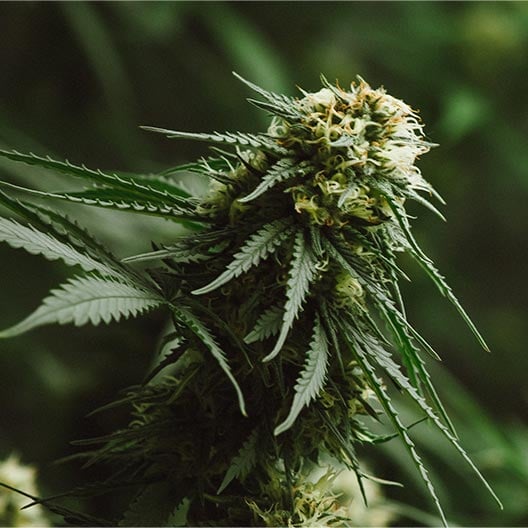
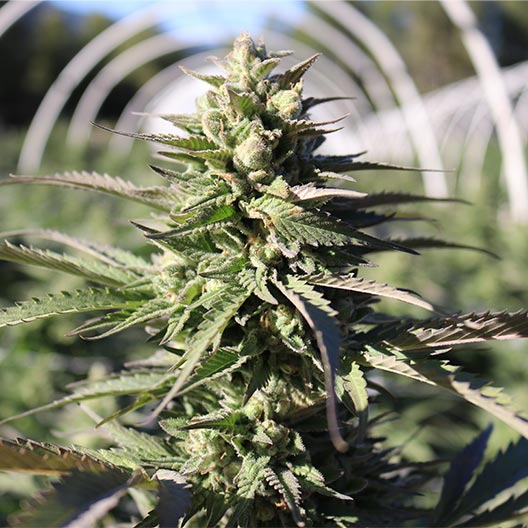
One of the first signs of high-quality cannabis is its appearance. Dense buds with vibrant color, visible trichomes, and a rich terpene profile usually stand out. Those frosty trichomes aren’t just for looks — they’re loaded with cannabinoids and terpenes that drive potency and flavor. A good nose is key too. Strong aroma is a direct sign of a healthy terpene profile and proper drying.
Cannabis bud characteristics to look for include:
- Aroma that’s loud and complex
- Trichome coverage that looks like sugar frosting
- Color that reflects the genetics and grow environment
- Moisture level that’s sticky but not too wet
- Bud structure that’s tight and not full of stems or fluff
Checking these signs helps you understand what makes good bud great. Quality starts early and compounds with every choice you make along the way.

Optimizing Your Grow Environment
If you want high-quality buds, you need to dial in your grow space. Environmental control enhances plant health and potency, so the room you grow in is just as important as the genetics you choose.
Start with lighting. Cannabis plants need a full light spectrum to grow strong and develop rich trichomes. During veg, they thrive under cooler, blue-toned light. During flower, they respond best to warmer, red-toned light. The intensity matters too. Weak lighting can lead to loose, airy buds. Strong grow lights simulate sunlight exposure and help pack on weight.
Next, focus on temperature and humidity. The sweet spot during flower is usually 65 to 80°F with humidity around 40 to 50 percent. Too much heat or moisture can stress the plant or cause mold. Low humidity helps boost resin production and keeps trichomes intact.
Good air circulation and CO2 supplementation also play a role. Stale air and high humidity invite pests and mildew. Fresh airflow strengthens the plant and encourages better bud development. Some growers add CO2 to help increase growth speed and cannabinoid content during flower.
A well-run grow room setup helps your plant hit its full potential. Keep your conditions steady and your buds will show it.
Always Use Top Quality Seeds
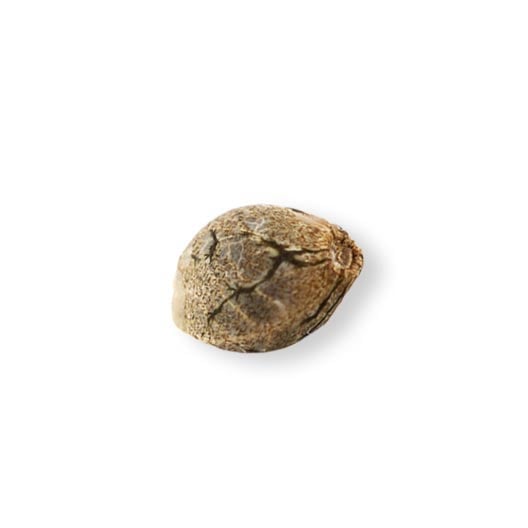
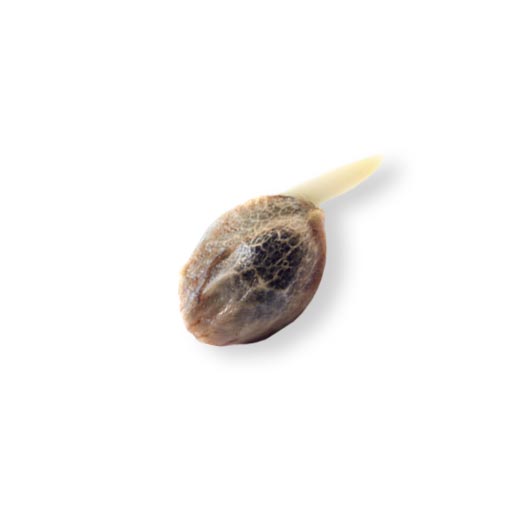
The final tip, which is actually the first step, is to make sure you start with the best quality genetics available to you. There are marijuana seeds and then there are marijuana seeds. When you buy your cannabis seeds from a certified vendor, like Pacific Seed Bank, you’re guaranteed high quality, viable seeds that will produce strong, vibrant plants and top-quality pot.
Nutrient Management for Maximum Bud Development
Your feeding routine plays a huge role in how dense, potent, and flavorful your buds turn out. Proper feeding results in dense, potent buds, so it’s worth getting your nutrient game dialed.
Start by picking the right nutrients for your grow style. Some growers prefer organic inputs like compost teas and worm castings. Others go with synthetic lines for more control. Both can work, but consistency and timing are what really matter. The best nutrients for cannabis will support root health early, then switch to bud-building boosters once flowering kicks in.
Pay close attention to the N-P-K ratio. Vegging plants need more nitrogen, but once you flip to flower, phosphorus and potassium take the lead. Micronutrients like calcium, magnesium, and sulfur also support stronger trichome production and better flavor.
Watch for signs of nutrient issues. Yellowing leaves, burnt tips, or slow growth might mean your plant is hungry—or getting too much. A locked-out plant won’t absorb what it needs, no matter how much you feed it. Soil pH impacts nutrient absorption too, so keep it in the right range (usually 6.0 to 7.0 in soil) to avoid problems.
Near the end of flower, most growers flush their plants with plain water to clear out any leftover salts. This helps bring out smoother flavor and better burn quality when it’s time to smoke.
Feeding your plants right is one of the biggest factors in leveling up your harvest.
Training and Stress Techniques to Boost Bud Quality
If you’re looking to grow better weed, plant training can take your buds to the next level. Stress techniques trigger increased trichome production, boost yield, and help shape your plant to use light more efficiently.
Low-stress training (LST) is a popular method that gently bends stems to open up the canopy. More light reaches more bud sites, which helps increase both density and resin content. Topping is another go-to technique. By cutting the main stem early in veg, you encourage the plant to grow multiple colas instead of one. This spreads out the growth and leads to bigger yields.
Super cropping adds a bit more stress. You soften the inner stem with a gentle squeeze and bend it without breaking. The plant responds by healing itself stronger and pushing more energy toward the buds. This technique is especially good for maximizing light penetration in tight grow spaces.
These stress-based techniques help redistribute hormones like auxins throughout the plant, which encourages better overall growth and bud development. The goal is to create a flat, even canopy so every top gets equal light and airflow.
With a little training and smart stress, you can get fatter, frostier buds without needing extra space or gear.
Timing the Harvest for Peak Potency
You’ve put in weeks of work, and now it all comes down to timing. Harvest timing affects cannabinoid levels and flavor, so pulling your plants at the right moment is key to getting the most out of your crop.
The main thing to watch is trichome color. Use a magnifying glass or jeweler’s loupe to check them up close. Clear trichomes mean the plant isn’t ready yet. Milky or cloudy trichomes mean THC is at its peak. If you see amber trichomes starting to show up, THC is beginning to convert into CBN, which can lead to a more sedating effect.
Aim for mostly cloudy trichomes with a few amber ones mixed in if you’re after strong, balanced potency. For a heavier, more relaxing buzz, let more of them turn amber before you cut.
The pistils on your buds can help too. As cannabis reaches full maturity, those hair-like pistils darken and curl inward. This, along with trichome checks, gives you a solid guide on when to harvest cannabis for the effects you want.
Pulling too early can leave you with weak flavor and mild effects. Waiting too long risks losing potency. Nail the timing, and your buds will hit harder, taste better, and look way more dialed in.
Drying and Curing: The Final Quality Boosters
Even the best-grown buds can fall flat if you don’t handle the dry and cure right. Proper curing preserves terpenes and potency, and it’s the final step that turns decent weed into smooth, flavorful flower.
Start by trimming your buds and hanging them in a dark space with temps around 60 to 70°F and humidity between 50 and 60 percent. Drying cannabis buds slowly over 7 to 10 days helps lock in aroma and prevents harshness. Rush it, and you lose terpenes. Go too slow, and you risk mold.
Once the stems snap instead of bend, it’s time to cure. Place your dried buds in airtight curing jars and keep them in a cool, dark place. For the first two weeks, open the jars once or twice a day for a few minutes. This process—called burping—lets moisture escape and fresh air in. After that, you can ease up and burp them every few days.
Humidity packs help keep your flower stable, especially in dry climates. Aim for 58 to 62 percent RH inside the jars to keep everything fresh without encouraging mold.
The cure takes time—usually at least two to four weeks—but the difference in smell, taste, and smoke is huge. Done right, it brings out the best in your buds and keeps them fresh for months.
Avoiding Common Mistakes that Reduce Quality
A few simple missteps can wreck all your hard work. Poor practices lead to reduced bud quality, so knowing what to avoid is just as important as knowing what to do.
Overwatering is a big one. Too much water can suffocate roots, cause nutrient lockout, and lead to mold or root rot. Let your medium dry out between waterings to keep the roots breathing and healthy.
Another common issue is overfeeding. Loading up your plants with nutrients can burn the leaves and mess with the plant’s ability to absorb what it actually needs. Watch for signs like crispy tips, deep green leaves, or stunted growth. Keep your feeding schedule balanced, and always check your pH to avoid lockout.
Light stress is another factor. Plants exposed to light leaks during the dark cycle—or lights that are too close—can turn hermie or lose resin production. Make sure your dark periods are uninterrupted and your lights are hung at the right distance.
Pests and mold can sneak up fast. Bud rot, spider mites, and powdery mildew can all destroy your crop if you don’t stay on top of it. Integrated pest management, good airflow, and regular plant checks can help catch problems early.
Harvesting too early is another big quality killer. Impatience can leave you with underdeveloped terpenes and weak potency. Stick to your trichome checks and give the plant time to finish.
Avoiding these common cannabis growing mistakes will keep your plants healthy and your buds looking and smoking their best.
-
 Ghost Train Haze Seeds$49.99Add to cartAdd to cart
 Select options
Ghost Train Haze’s high THC content of 25%, combined with its Sativa-dominance, creates a super potent, energetic, and cerebrally euphoric high. The taste and aroma are both citrusy and flowery.
Select options -
Lemon Drop Auto$33.24Add to cartAdd to cart
Select options
Sweet like candy, Auto Lemon Drop marijuana seeds produce tall plants, dense nugs, and the kind of flavors that will keep you coming back for more. With up to 23% THC, medical and recreational users a like will enjoy the fruits of their labor after about 7-8 weeks flowering.
Select options -
 Training Day Seeds$33.36Add to cartAdd to cart
Select options
Training Day Seeds$33.36Add to cartAdd to cart
Select optionsThe effects of Traning Day marijuana seeds target the brain and body differently. The mind feels open to new thoughts, brainstorming, and elevated creativity while the body remains calm, relaxed, and distracted from discomfort. This indica-dominant hybrid also comes with 1% CBD.
Select options -
Sweet Diesel Auto$33.74Add to cartAdd to cart
Select options
As you might have guessed from the name, Sweet Diesel marijuana seeds carry a Diesel aroma that’s similar to gasoline. This sativa-dominant hybrid can help users experience low mood. It’s a happy strain that feels productive and focused.
Select options -
-40%
 Bakerstreet Auto$19.76
$32.94Add to cartAdd to cart
Select optionsBakerstreet Auto is a pure indica auto with sweet sandalwood aroma and sugary diesel flavor. It delivers steady, full-body calm—perfect for relaxing evenings and restful sleep.
Select options -
Glass Slipper Auto$34.44Add to cartAdd to cart
Select options
Glass Slipper Auto is Sativa-dominant with a moderate 18% THC content. The physical and cerebral energy and euphoria create a happy buzz. The flavor is sweet like citrus and pine.
Select options -
Qrazy Train Seeds$39.00Add to cartAdd to cart
Select options
Qrazy Train marijuana is a balanced hybrid that comes from four different strains, with uplifting, euphoric, and relaxed effects.
Select options -
Black Cherry Soda Seeds$33.68Add to cartAdd to cart
Select options
Black Cherry Soda is a sativa-dominant hybrid with sweet cherry and cream soda flavor and a clear, uplifting high. Perfect for social vibes, creativity, and gentle body relaxation.
Select options -
Orange Cookies Seeds$33.05Add to cartAdd to cart
Select options
Orange Cookies marijuana seeds provide a relaxing and gentle high that’s suitable for a variety of smokers. With THC levels around 14-16% this high feels soothing, energizing, and social.
Select options -
Berry White Seeds$33.07Add to cartAdd to cart
Select options
Berry White is an indica-dominant hybrid with bold blueberry-grape flavor and a smooth, balanced high. Expect uplifting euphoria and mellow body relaxation—just like the name suggests.
Select options -
Glass Apple Seeds$33.93Add to cartAdd to cart
Select options
Glass Apple is Sativa-dominant and will help boost your energy and euphoria. The strain boasts a 23% THC content with a tart and tropical flavor to match its apple-like aroma.
Select options -
Green Goddess Seeds$33.99Add to cartAdd to cart
Select options
Experience the cheerful, uplifting effects of a great indica-dominant strain. Green Goddess marjiuana seeds will set you up for chill success, with a solid yield and earthy, citrus flavor.
Select options