



Description
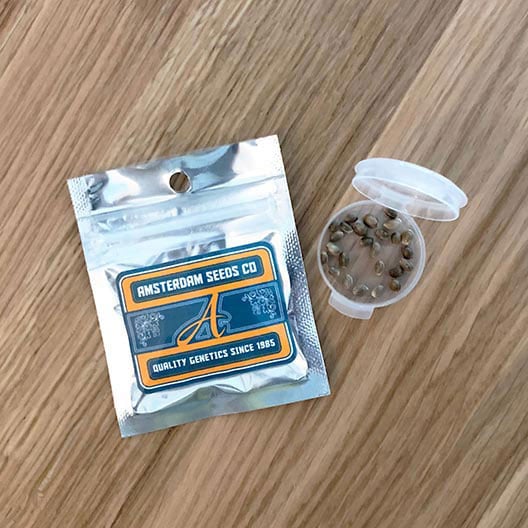
Captain Jack: Set Sail with Hybrid Perfection
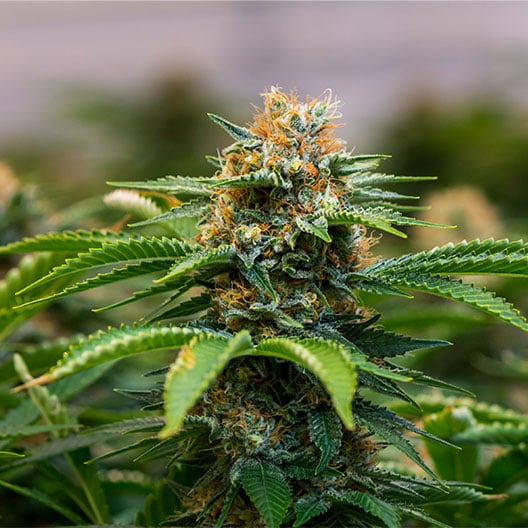
This modern-day strain is a 50/50 hybrid with THC levels of 25% and a euphoric, nuanced high.
Its story traces back to the 1970s, when cannabis cultivator John “Captain Jack” Murtha returned from Afghanistan with Gulzar Afghanica seeds. Through careful maintenance, he produced the earliest version of “Captain Jack,” an Afghan cultivar that became a staple within the New York comedy scene, even being described by Saturday Night Live cast members as “the smell of SNL.”
In the decades that followed, the name “Captain Jack” took on new significance in the form of new cultivars, including the 50/50 hybrid many growers love and know today. As the offspring of Jack Herer and Chemo, this strain provides significant mental uplift and a focused, euphoric high.
Fans note the experience seamlessly pivots between social, cerebral, and comfortably mellow. Meanwhile, its 25% THC content encourages out-of-the-box thinking and enhanced sensory perceptions. The result is a chatty, happy, spaced-out smoke ideal for creative pursuits or kicking back with friends and chatting late into the night.
Captain Jack’s flavor profile is typically earthy and herbal, with a dash of pepper. Its complex terpene profile adds even more dimension to its nuanced high, making Captain Jack seeds a good choice for growers who love the interplay between mental buzz and physical calm.
While it’s best suited to growers with some past experience in the garden, any motivated cultivator can successfully cultivate Captain Jack from the comfort of home.
How to Grow Captain Jack Seeds
Try Low-stress Training
Captain Jack’s interior leaves and bud sites need plenty of light and airflow to reach their full potential. During the vegetative stage, when your plants’ stems are still flexible, gently bend the branches outward and secure them with soft ties. This technique spreads the main branches across the available growing area instead of allowing several stems to stack directly on top of one another. It also avoids wounding your plant, making it an especially useful approach for beginner growers who want to avoid the challenges of a stressed plant. As an added bonus, a flatter, even canopy also allows you to see the interior foliage more clearly, making it easier to check the maturity of the bud sites later on.
Manage the canopy
A flat, horizontal canopy is one of the best ways to ensure your plants receive adequate amounts of airflow and light. When left unchecked, many cannabis plants, such as Captain Jack, have a habit of shooting upward. This commonly results in upper branches that block the lower bud sites from receiving adequate amounts of light and air.
Careful defoliation can also be helpful. If you opt for this technique, remove only the leaves that heavily shade developing flower sites, making sure to make a clean break at the base of the stem. This approach helps support even, plant-wide photosynthesis throughout the flowering phase.
Water conservatively
Knowing how to adapt your watering schedules is one of the most important skills a new grower can know. With Captain Jack, the goal is to give its roots enough moisture to encourage active growth, while avoiding constant saturation. While this may sound tricky at first, getting a sense of how much water your plants will need, and when, is actually fairly straightforward.
Check your growing medium’s surface appearance. If it appears dry, stick a finger into the medium itself. If the soil feels dry further down, that’s typically a good sign your Captain Jack plants are ready to be watered again. When you water, aim for the medium itself, and give the entire surface area a decent soak. This will avoid oversaturating certain areas while leaving others dry.
Yields, Flowering Times, and Harvest
Captain Jack has a reported flowering period of 55–65 days, with yields of up to 550g/m² indoors and up to 600 g per plant outdoors under suitable growing conditions. The flowering period begins once the plant enters its flowering stage and continues until the flowers reach harvest maturity. Actual harvest timing and yield depend on the growing environment, plant development, and cultivation practices.
Aroma and Flavor Profile
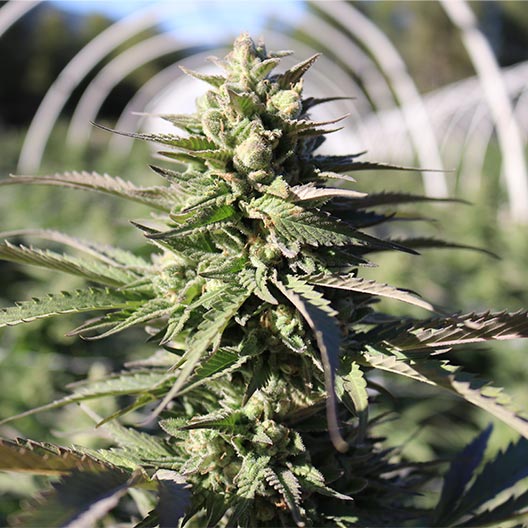
Captain Jack combines sweet and sour notes with a distinctly citrus-forward character. Pine and woody notes add depth to the profile, while myrcene, caryophyllene, and pinene contribute to its terpene composition. The result is an aroma that moves between bright citrus and deeper earthy, piney tones.


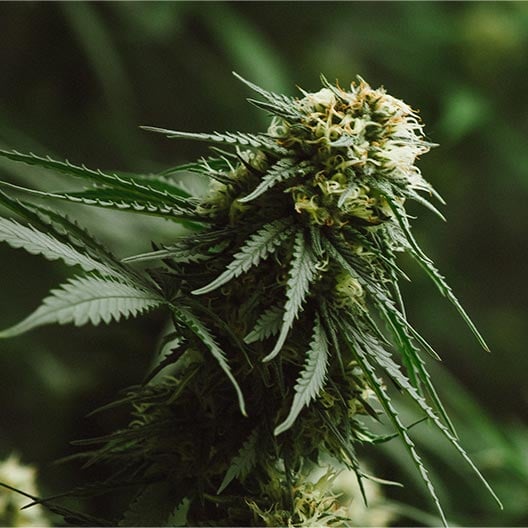



I expected drying to be a dull waiting stage. The gradual change in texture turned out to be interesting, and I liked comparing the fresh flowers with the finished buds. That kept me engaged through the end.
This grow needed a bit more attention toward the finish, mostly because reaching around the fuller plants became less convenient. I wouldn’t call that a serious complaint. The flowers were developing well, and I enjoyed seeing the changes close up. My main satisfaction was getting a result that looked cared for. Some pieces were neater than others, but the finished batch had a good appearance and an aroma I liked. I was pleased when everything was done.
I grew these in a setup I’ve used for a while, so the plants were the new part. They fitted into it well, and the changing flower development kept me interested without constant adjustments.
Late in flowering, I noticed an earthy smell whenever I opened the growing space. It wasn’t overpowering in my setup, but it made that last part of the grow especially memorable.
A few smaller buds were looser than the main ones. That didn’t bother me much. There was enough to like about the flowering stage and the finished appearance to leave me happy overall. No big complaints.
By late flowering, I was barely noticing the marked older leaves. The flowers had become the part I looked at first, and they finished looking good.
My favorite plant had leaves that pointed in all sorts of directions. It wasn’t especially symmetrical, but it grew well and made an interesting change from the tidy picture I’d had in mind.
I’m usually fairly matter of fact about plants, so I wasn’t expecting to become especially invested in these. Then I started recognizing which branches had changed since my last check. That made the whole grow more engaging. I liked the way the plants developed without needing every detail to look perfect. At the end, the flowers had a clean, finished appearance that made the work feel worthwhile.
Reasonable effort, good development, and a harvest I enjoyed handling. That works for me.
Some of the nicest buds were smaller than the ones that had caught my eye during flowering. I only really appreciated them while finishing the harvest. They were neatly formed and kept their character after drying. It was a good reminder to look over the whole plant instead of always noticing the most obvious flowers.