Whether you’re entirely new to cannabis cultivation or are an experienced green thumb, choosing the right growing medium for your seeds is one of the best ways to set yourself up for a high-quality harvest. From soil to coco to hydro, there are many options that each come with their own pros, cons, quirks, and devoted fans. So, where do you begin?
Below, we’ll explore the unique ways each medium can affect your cannabis plants and help you settle on the one that fits your setup best.
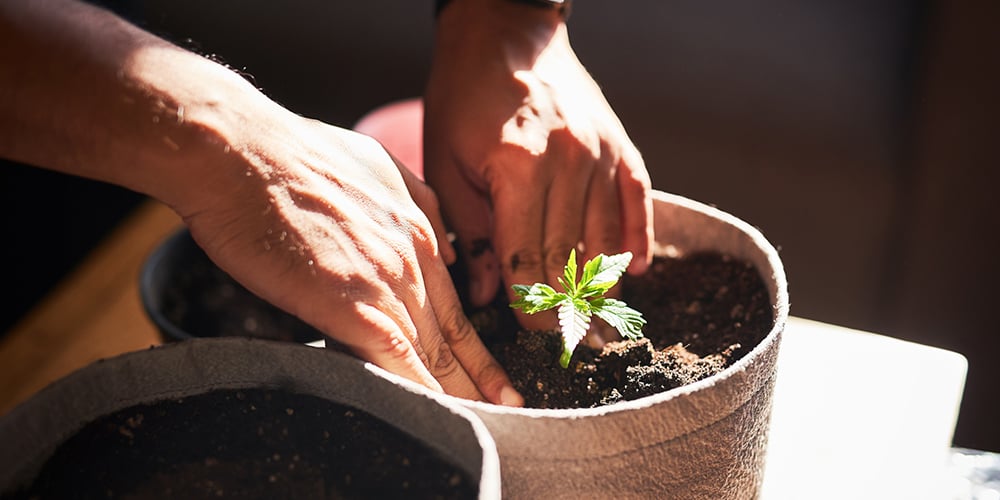
Growing Mediums: What Matters Most?
There are a number of variables that factor into which medium is best for your particular strain, preferences, and growing space. As a general rule, soil is lower-maintenance and more forgiving of mistakes such as overfeeding or underwatering. A hydroponic system, by contrast, is a good choice for those chasing precision, speed, and looking to maximize yields. Other mediums like coco coir, rockwool, and peat mix can be more efficient than soil but less complex than hydro.
Before making a decision, it may be helpful to ask yourself the following questions.
- How much time do I want to spend monitoring nutrients and pH levels?
- Am I growing inside or outside?
- Do I want a set-up that is more low-maintenance, or one that offers more control?
- Am I more interested in higher yields or in enhanced flavor and aroma?
Soil: A Time-Tested Classic
When it comes to cannabis growing mediums, there’s nothing more straightforward than soil. It’s a medium most of us are familiar with, whether from houseplants or backyard tomatoes. Some growers find that growing with soil is a more grounding experience, especially in comparison to newer, more complex mediums. Soil-grown weed tends to have richer, more nuanced flavor, especially when using living or organic soil. Many growers swear that this depth just doesn’t come through in hydro or soilless setups.
That said, not all soil is created equal. The best soil for cannabis (or “weed soil” as some casually call it) should have the following qualities:
- Well-aerated: Loose and fluffy soil lets roots breathe.
- Drains easily: Helps avoid excess moisture, which can lead to mold or root rot
- Moisture-retentive: Holds water without getting waterlogged
- Nutrient-rich: Includes compost, worm castings, or other organics
- pH-balanced: Ideally between 6.0 and 7.0 for healthy nutrient uptake
- Teeming with life: Living soil with microbes and fungi boosts plant health
How Do I Choose the Best Soil for Cannabis?
Some key components in good soil may include peat moss, compost, worm castings, perlite, and the aforementioned coco coir. There are also a few store-bought blends like FoxFarm Ocean Forest or Roots Organics that are well-suited to beginners.
That said, don’t feel as though you need to go for the store-bought option. Some experienced growers even create their own mixtures by combining ingredients such as compost, worm castings, perlite, and peat moss to tailor the soil’s drainage, nutrient content, and microbial life to their plants’ specific needs.

Cannabis Hydroponics: Not Just for Experts
You may have heard that a hydroponic setup can be higher-maintenance, and it is. However, the up-front effort pays off later in the form of vibrant growth and pinpoint-precise nutrient absorption.
Hydro means skipping soil altogether. Rather, your plants’ roots grow directly in nutrient-rich water. Its popularity first surged in the 1960s and 70s as high-intensity-discharge lighting became more readily available, making the possibility of innovative growing techniques a reality.
To use a hydroponic setup, you will need a reservoir to hold the nutrient solution, an air pump to keep it oxygenated, and a physical support system for your plants, such as net pots or a floating platform. Once your setup is dialed in, your plants can absorb nutrients directly and grow at an impressive pace.
Nutrient Delivery with Pinpoint-Precision
When done right, hydro lets you control every variable, from pH levels to electrical conductivity (EC) to the nutrient mixture itself. This means a more efficient vegetative phase, shorter flowering periods, and more generous yields. Many commercial growers even use hydro for these very reasons.
That said, it’s not beginner-proof. While soil serves as a kind of “buffer” for your plants, causing slower water and nutrient absorption, hydroponics delivers food and hydration straight to your plants’ roots. As such, there’s less room for error, meaning it’s important to keep an eye on the following:
- Electrical Conductivity: EC measures nutrient strength and can be measured using an EC meter.
- pH: Measure the acidity/alkalinity levels of the water using a digital pH meter. Ideal levels fall between 6.0 and 7.0
- Water and air temperature: Using a regular and aquarium thermometer, respectively, ensure water temperatures remain between 65–70 degrees Fahrenheit or 18-21 degrees Celsius. Ideal air temperatures fall between 70–85 degrees Fahrenheit or 21–29 degrees Celsius.
Soil vs. Hydro: Which Strains Work Better for Each?
Soil can work well with both indica and sativa strains. Indicas are known for their rich flavor and resin production; these traits tend to be further enhanced by the organic complexity of soil. Old-school strains like Mag Landrace and North American prefer nutrient-dense, moisture-retentive soil, while sativa-dominant hybrids prefer lighter soils with excellent drainage.
That said, sativa-dominant strains like Durban Poison or Super Silver Haze can respond quite well to soil, too, so long as your medium is nutrient-dense and well-aerated. Balanced hybrids play nice with just about anything, so long as the pH levels, feeding, and watering schedule are dialed in.
A hydroponic setup can work well with many kinds of cannabis seeds, but can be especially effective for sativa hybrids like White Widow, Blue Haze Auto, and Amnesia Haze, as more precise nutrient levels support more vigorous growth. Indica strains like Northern Lights and Granddaddy Purple can also respond quite well to hydro.
Other Popular Growing Mediums: Coco, Rockwool, and More
While soil and hydroponics tend to be the most popular choices, growers looking for something a little different may find the following options intriguing.
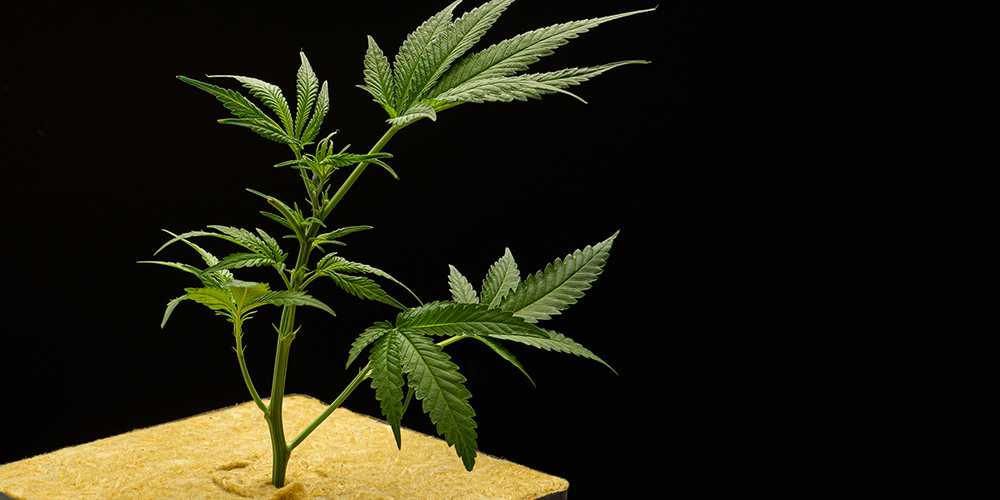
Coco Coir: Made from coconut husks, this medium holds water well but also drains efficiently. It’s technically soilless, like hydroponics, yet some growers find the process of using coco coir feels more organic than high-tech. Many cannabis fans also love it for its ability to support quick root development.
Rockwool: This medium is commonly used in hydro setups and commercial grows. It’s sterile, pH-neutral, and great for managing moisture, although it does need to be pre-treated before planting. It can be less forgiving, but it offers tight control.
Soilless peat mix: Soilless peat mixes also exist, often used by growers who want the texture of soil without the organic nutrients. These require a more active feeding approach but give you full control over inputs.
What’s the Best Cannabis Growing Medium?
There’s no universal best medium, only what’s best for you.
The best soil for weed, or the best-growing medium in general, depends on your environment, goals, and bandwidth. Flavor chasers may lean toward living soil. Yield-maxers might go for deep water culture. Somewhere in between? Coco could be your sweet spot.
However you grow, consistency and attention will take you further than any one medium. The best cannabis soil or hydro setup won’t save a neglected plant. But paired with good habits? That’s when the magic happens. Whether you’re in it for taste, yield, or the satisfaction of growing your own, the right medium is the one you’ll stick with long enough to master.