


Resinous flowers are something every cannabis grower hopes to produce. Characterized by their generous amounts of trichomes, resin-coated buds are well known for their frosty, eye-catching appearance. However, the benefits aren’t limited to looks alone. Resin-rich flowers produce a stronger high, increased hash or rosin return, and terpenes that maintains their strength, even after drying or curing.
Good cannabis resin production comes down to a lot more than choosing a high-THC strain. A cannabis plant can produce meaningfully different cannabinoid levels under different growing conditions. Factors like light, temperature, nutrient levels, stress, and harvest timing all play an important role, regardless of how THC-rich the strain happens to be.
That said, a strain’s genetics do determine its upper potency limit. While the right environment can certainly help a cannabis plant reach its natural ceiling, it cannot turn a naturally low-resin plant into a cannabinoid-heavy strain. Maximized resin production means looking beyond a strain’s genetics.
Below, we’ll reveal some ways new and intermediate growers can encourage greater trichome production in any cannabis strain.
Trichomes on Weed: The Key to Greater Resin Production
If you’re a newer grower, you may be wondering what cannabis resin actually is, and why plants make it in the first place. Below, we cover some helpful terms for new growers.
Trichomes are tiny structures that are believed to help protect a plant against environmental threats and herbivores.
Glandular trichomes are specialized trichomes that fall into two categories.
Bulbous trichomes have small stalks (pedicels) and do not produce large amounts of specialized metabolites such as cannabinoids, terpenes, and flavonoids. A 2023 study published in the Journal of Cannabis Research measured two cannabis genotypes, noting the pedicels were approximately 10–15 µm tall, with heads around 15–30 µm wide—smaller than a fine grain of sand.
Capitate trichomes are moderately-sized, mushroom-shaped, and occur in two forms: sessile and stalked. Sessile trichomes are typically flush with the flower surface and have little or no visible stalk. In one study, their glandular heads were measured as 40–110 µm wide (Punja et al., 2023). Stalked trichomes, by contrast, have elevated heads and become especially abundant on mature flowers. They are also responsible for producing the majority of a plant’s cannabinoids and terpenes.
As flowers mature, the lower sides of these bracts develop more resin-producing stalked trichomes, while younger flowers have more sessile trichomes (Punja et al., 2023). Growers often trim and save the small, frosty sugar leaves around the harvested bud, as they also contain significant cannabinoid concentrations and can be used later for extracts or other cannabis products.
This trichome guide provides more information on the entire trichome life cycle and gives cannabis growers pointers on when to harvest.
The Potential Benefits of Trichomes
Trichomes and their resin may deter insect herbivores and microbes (Stack et al., 2023). An early study also proposed that THC, which is made and stored mainly in glandular trichomes, may help cannabis absorb some harmful UV-B light. (Pate, 1983) However, this idea is still a hypothesis, not proof that trichomes or resin protect the plant from UV damage.
Cannabinoid Production in Flower Tissue vs. Leaves
Cannabinoids are organic compounds produced by cannabis, including THC and CBD. Their production begins with CBGA, a starting compound that can become several major cannabinoids. Enzymes turn CBGA into acidic forms such as THCA and CBDA. When cannabis is heated, THCA becomes THC and CBDA becomes CBD (Tahir et al., 2021).
While leaves are important for photosynthesis and plant growth, they produce far fewer glandular trichomes than mature floral tissue. A 2020 study of three cannabis chemovars found that cannabis flower clusters (known botanically as inflorescences) had total cannabinoid concentrations of 15.77–20.37%, while leaves had concentrations of just 1.10–2.10% (Jin et al., 2020).
That gap makes sense once you know where a cannabis plant develops most of its trichomes: in and around the flowers, not on the large leaves. Cannabis flowers are covered by bracts, small leaf-like structures commonly referred to as “calyxes.” These structures, along with the nearby sugar leaves, carry notable amounts of resin.
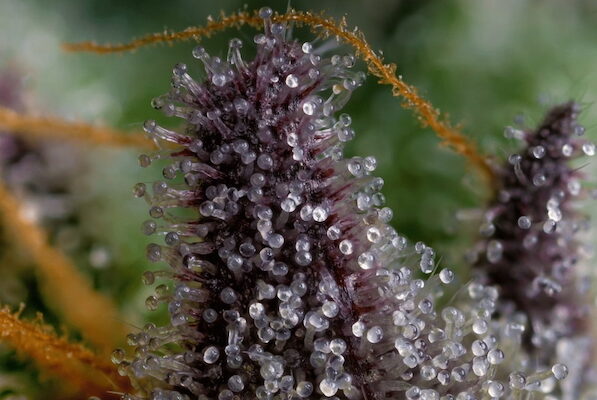
Image credit: Premium Cultivars
Resin Amounts Are Inherited
Earlier, we mentioned that genetics determine a strain’s maximum trichome and cannabinoid production, while environmental conditions impact the likelihood of a plant reaching its potential. In other words, a low-resin cultivar grown perfectly will usually underperform a resin-heavy plant grown under subpar conditions. If you’re growing cannabis for the first time, or simply want some guidance in selecting the right strain, it can be helpful to keep the following in mind.
Read Strain Descriptions
Treat THC ranges as a target rather than definitive proof that the strain will automatically produce those precise amounts. If you spot terms like “hash-making,” “resin-heavy,” or “frosty,” those are clues that the strain is considered resin-rich. Still, it’s always wise to check the strain’s lineage to ensure it has THC-rich parents.
Don’t Rely on Labels Alone
Afghan and other indica-leaning landrace lines are often viewed as having higher amounts of resin, partly because they were historically cultivated in regions that focused on hashish production. While certain patterns and trends are good to keep in mind, they don’t automatically determine the resin-producing potential of any one strain. General cannabis trends can be helpful to know, but resin production and potency depend on the individual strain’s genetics, not the “indica” label alone.
Consider Flowering Type
Photoperiod feminized seeds give growers control over when the flowering stage begins, whereas autoflowers flower on their own and do not require a change in light cycles. This can make photoperiod plants easier to size, train, and finish on a chosen schedule. Still, modern autoflower genetics have narrowed the historical quality gap. Ultimately, the best approach is to read up on the specific cultivar you’d like to cultivate, rather than dismissing autoflowering strains outright.
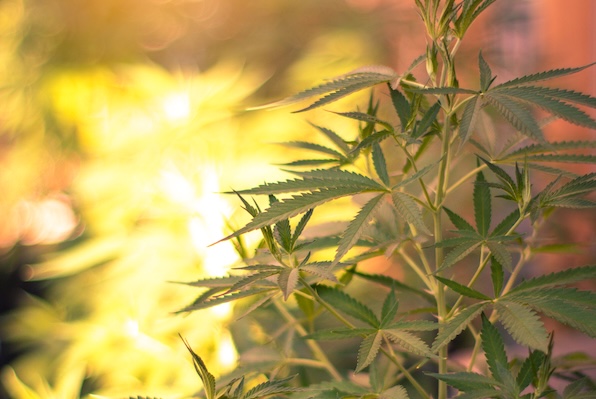
Image source: Jordan Bergendahl
Light Quality and Intensity
Because resin-producing trichomes are concentrated on cannabis flowers, lighting should support healthy flower development without pushing plants beyond what they can use. PPFD measures the amount of usable light a cannabis plant receives. For flowering plants grown without supplemental CO₂, 800–1,000 µmol/m²/s is a commonly cited target range. Higher light levels can increase photosynthesis and flower yield, but the benefits diminish as plants approach their capacity to use that light; excessive intensity can cause light stress or bleaching rather than better resin production (Rodriguez-Morrison et al., 2021a).
UV Light
UV-B supplementation is sometimes viewed as a THC booster because it prompts a plant to produce resin to protect against UV exposure. This mechanism is plausible, but the research remains mixed. An older study found a modest THC increase in one drug-type chemotype, while a controlled 2021 study found no significant THC increase and observed plant damage at higher UV exposures (Lydon et al., 1987; Rodriguez-Morrison et al., 2021b). UV-B supplementation should therefore be treated as an optional experiment, not a guaranteed way to increase potency.
For these reasons, growers curious about the potential effects of UV-B lighting are encouraged to test it carefully in a small, controlled way, without assuming it’s a guaranteed potency booster.
If you use supplemental UV-B, reserve it for late flower, such as the final two to four weeks. Begin with short daily exposure periods, increase only cautiously, and watch for bleaching, leaf injury, and stigma damage. Wear UV-rated eye protection and cover exposed skin whenever the fixture is operating.
To sum it up: Full-spectrum LEDs offer spectral control, lower radiant heat, and the ability to place fixtures closer to the canopy; HPS generally provides strong penetration but adds substantially more heat, which can complicate temperature control and terpene retention. Neither fixture produces uniform resin if the canopy is uneven: maintain an even top surface, measure PPFD at multiple points, and remove or reposition heavily shaded lower sites.
Canopy Management
Full-spectrum LED fixtures generally offer more spectrum control and produce less radiant heat than HPS fixtures, which can make temperature management easier. HPS fixtures produce more heat, which may complicate temperature control and terpene preservation. Regardless of fixture type, keep the canopy level, set lights at an appropriate distance, measure PPFD at multiple points, and avoid heavily shaded lower bud sites. An uneven canopy can lead to uneven flower and resin development.
Trichome and resin production thrive with the right amounts of light. Photosynthetic Photon Flux Density (PPFD) measures how much usable light reaches a plant’s leaves.
For flowering cannabis, 800–1,000 µmol/m²/s PPFD is a practical starting range for many non-CO₂-enriched gardens. More light can increase flower yield, but returns depend on cultivar, temperature, nutrition, irrigation, and CO₂; leaf photosynthesis can saturate before canopy-level yield does. Beyond the plant’s usable capacity, excessive intensity raises the risk of light stress and bleaching rather than resin gains (Rodriguez-Morrison et al., 2021a).
This beginner-friendly guide provides additional information on lighting your cannabis plants.
Dial In Temperature, Humidity, and Airflow
Temperature plays a big role in how efficiently cannabis plants produce resin. Growers are encouraged to aim for temperatures of roughly 68–78 degrees Fahrenheit or 20–26 degrees Celsius during the day, with modestly cooler conditions at night, when the lights are off.
It’s also important to keep conditions stable. Terpenes like myrcene, limonene, and pinene can evaporate at ordinary room temperatures. This process increases gradually as temperatures rise. Their familiar “boiling points” are not appropriate targets for a cultivation guide (Eyal et al., 2023).
Humidity should taper as buds become denser: roughly 60–70% RH in vegetative growth, then lower it stepwise through flower toward around 40–45% RH in the final weeks. This is mainly about avoiding bud rot. Dense flowers hold humid air inside the cola, and Botrytis cinerea can rapidly damage cannabis inflorescences under humid, moderate conditions; risk rises markedly above 70% RH (Mahmoud et al., 2023).
Vapor Pressure Deficit (VPD) measures the difference between the moisture inside a cannabis plant’s leaves and the moisture in the surrounding air. This measurement can help provide vital context, as it combines both temperature and relative humidity.
Maintain gentle air movement above, below, and through the canopy to prevent stagnant, damp pockets. Do not blast colas with a fixed high-speed fan, and avoid unnecessary handling: brushing flowers during defoliation, staking, or inspection can knock off delicate trichome heads. A small nighttime temperature drop may enhance color in genetics capable of expressing it, but it is not a proven resin booster.
Cannabis-specific guidance and data support a flowering range around 0.9–1.3 kPa as a practical target, rather than treating RH alone as the goal. In one controlled study, very high humidity (78–98% RH; 0.25 kPa VPD during flowering) delayed flowering and substantially reduced flower biomass and cannabinoid concentration in a CBD-dominant cultivar (Corredor-Perilla et al., 2025).
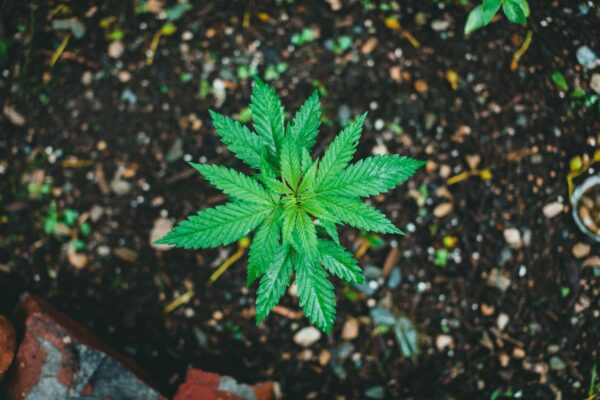
Image credit: Jonathan Cooper
Nutrients That Support Resin Production
The three most important nutrients for a cannabis plant are nitrogen phosphorous, and potassium (NPK). As cannabis moves from vegetative growth into flower, growers usually shift from a nitrogen-forward nutrient mixture to a lower-nitrogen bloom formula. Nitrogen still matters, but excessive late-flower nitrogen can keep plants overly leafy and delay normal ripening.
If you’ve found the nitrogen levels are too high, it may be tempting to overcorrect by simply upping your phosphorus levels. However, a balanced, bloom formula is typically more useful than simply adding more phosphorus or potassium.
Magnesium, Sulfur, and Calcium
Magnesium deficiency usually starts as yellowing between the veins of older leaves. Sulfur deficiency more often appears as overall yellowing on newer growth; sulfur supports amino-acid and protein production and is relevant to sulfur-containing aroma compounds, but it is not itself a standard terpene precursor.
Calcium deficiency affects new growth first, causing distorted leaves, weak growth, and rust-colored or necrotic spots. Cannabis deficiency symptoms can overlap with normal late-flower fade, so diagnose using pH, EC, watering practices, and—where possible—tissue testing, not leaf color alone (Rodriguez-Morrison et al., 2021).
Ideal pH Levels
Keep root-zone pH roughly 6.0–7.0 in soil and 5.5–6.5 in coco or hydroponics. Outside those ranges, nutrients may be present but chemically unavailable to roots—a problem called nutrient lockout.
“Bud boosters” deserve skepticism. Most are expensive P–K blends; solid genetics, light, environment, irrigation, and correct harvest timing matter far more. Carbohydrate and kelp products have plausible uses, but limited controlled evidence shows they reliably increase resin.
Late-flower flushing is widely practiced but weakly supported.
In an RxGreen trial of one cultivar, flushes at day zero, seven, and twenty-one produced no significant differences in yield, THC, terpenes, flower mineral content, flavor, smoothness, or ash color. Treat flushing as a grow-style choice—not a proven resin or smoke-quality enhancer (Wedryk et al., 2019).
Controlled Stress: Myth vs Reality
Brief, controlled stress can sometimes shift plant chemistry, but sustained stress usually lowers photosynthesis and flower production. Because resin develops over time, a severely struggling plant has less energy to devote to growth and secondary metabolites.
Keeping plants in complete darkness for 24–72 hours before harvest is a popular approach, but currently, there isn’t evidence to suggest it reliably increases trichomes, cannabinoids, or terpenes. The same applies to ice-water flushing and sudden cold shock.
Low-stress training and selective defoliation can improve flower quality for a simpler reason: they level the canopy, expose more bud sites to usable light, and improve airflow. They are canopy-management tools—not reliable “stress” triggers. Avoid excessive leaf removal, since leaves supply the energy that supports flower development.
Controlled Deficit Irrigation
Controlled deficit irrigation is a planned, closely monitored reduction in water or nutrient solution to create temporary drought stress without permanently damaging the plants. While this technique can be promising, it is not something beginners should try casually, since giving plants too little water at the wrong time or for too long can reduce growth and flower yield.
In a 2019 study of one chemotype II cultivar, growers withheld fertigation for 11 days in week 7 until plants reached severe water stress. THCA and CBDA concentrations increased 12% and 13%, respectively, with no statistically significant reduction in flower dry weight. However, this was a specific, carefully monitored protocol, rather than a recommendation to routinely wilt plants.
Beneficial microbes may also provide benefits, although this isn’t proven. Some mycorrhizal inoculants, products containing beneficial fungi that form symbiotic relationships with plant roots, have improved growth and cannabinoid concentrations in individual trials (Seemakram et al., 2022). Outcomes can depend on the cultivar, microbial strain, substrate, and fertility program.
Harvest Timing: Where Most Growers Lose Resin
While day count and pistil color are useful clues for determining when to harvest, checking trichome maturity is typically the more accurate approach. As flowers mature, stalked trichomes and cannabinoid content increase; as glands age beyond maturity, their contents can oxidize and degrade.
This article discusses using floral maturity and trichome development as harvest indicators, although it’s worth noting that there is no single trichome-to-color ratio that automatically indicates peak THC.
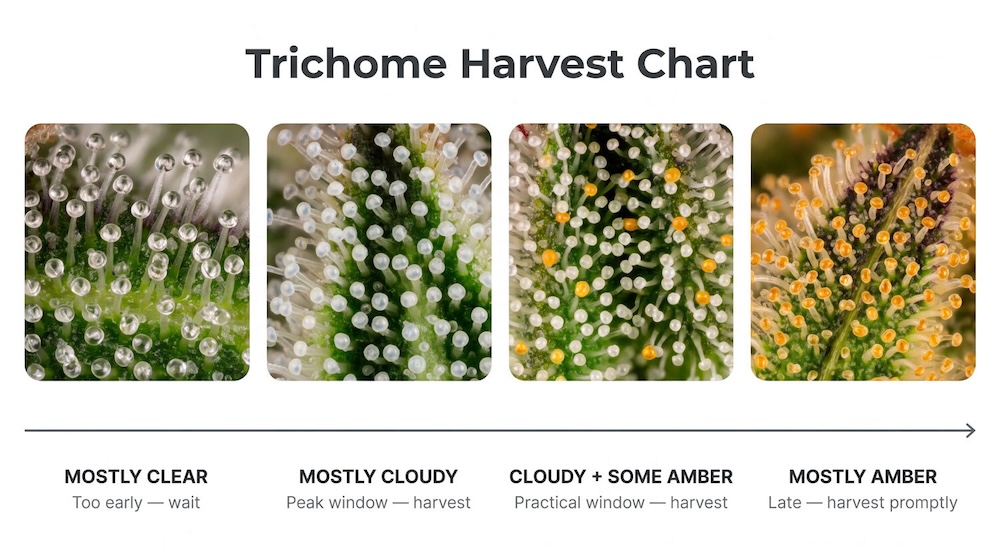
| Trichome appearance | What it means | Harvest guidance |
| Clear | Glands are still developing | Usually too early; harvesting now can sacrifice flower development and cannabinoid accumulation |
| Milky white or cloudy | Mature, opaque resin heads | The main target for most growers seeking a THC-forward, balanced harvest |
| Amber | Later-stage gland aging | THC can degrade over time, including toward CBN; amber does not automatically guarantee a sedating effect |
| Mixed cloudy + amber | Mature flowers with some aged glands | A practical real-world target for many growers |
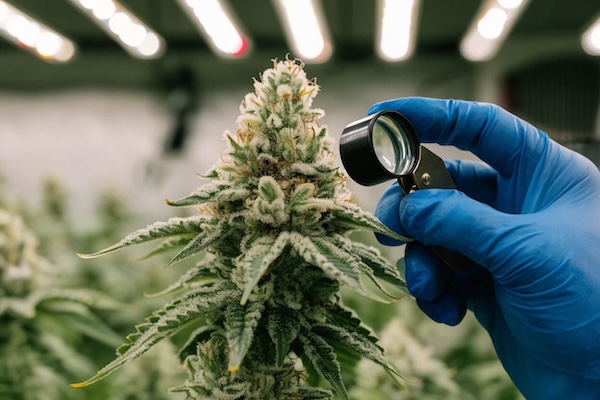
It can be helpful to use a trichome magnifier, such as a 60–100× jeweler’s loupe or USB digital microscope. Examine trichomes on the calyxes/bracts, rather than sugar leaves, because sugar-leaf trichomes often mature earlier and can make the plant appear more finished than it is. Check several sites across the plant: upper colas may mature before lower, shaded flowers, so harvesting tops first and allowing lowers more time is a legitimate approach.
Postharvest handling matters too. Rough trimming, fast or hot drying, and over-aggressive bucking can damage or remove trichome heads already produced. A slow dry near 60°F (16°C) and 60% RH is a widely used practical baseline.
High-Resin Strains Worth Growing
-
 White Widow Seeds$33.59Add to cartAdd to cart
 Select options
A crowd-pleaser for years, White Widow marijuana seeds deliver the same great effects you’ll recognize from your top bud supplier. Pain and stress fade into the background, while creativity surges alongside euphoria. This hybrid is worth a try.
Select options


White Widow
This Brazilian sativa × South Indian indica cross is arguably one of the most famous “frosted” cultivars. White Widow’s reputation for dense trichome coverage and forgiving growth makes it a sensible, high-resin choice for beginner growers.
Northern Lights
Northern Lights is a time-tested strain that’s remained popular for decades. Its Afghani and Thai lineage produce resin-coated buds and equip this strain with an above-average resilience. As such, it’s best for beginners who want a compact, dependable, indica-leaning plant that produces sparkling, resin-rich flower.
-

 Northern Lights Seeds$33.77Add to cartAdd to cart
Select options
Northern Lights Seeds$33.77Add to cartAdd to cart
Select optionsNorthern Lights (NL) is an indica-leaning classic cultivar with a well-known Afghani x Thai lineage and a big legacy in modern breeding. Expect dense, resin-heavy flowers with a pungent sweet-and-spice profile, plus occasional purple tones and lots of crystal coverage.
Select options


-
Original Glue Seeds$34.04Add to cartAdd to cart
Select options
Reward your body with a break with this indica-dominant hybrid. Original Glue marijuana starts with a happy body buzz and wears off to a deep bodily stone that leaves you in a state of couchlock.
Select options
![shop premium feminized [Original Glue Feminized Seeds] [Advanced Genetics]](https://www.pacificseedbank.com/wp-content/uploads/2019/05/Buy-Original-Glue-Feminized-Marijuana-Seeds-750x749-1.jpg)


Original Glue
Original Glue is an indica-leaning hybrid with a 55–65 day flowering period. Its sticky, pungent flower profile makes it a strong choice for growers prioritizing resin-rich material.
Bruce Banner #3
Bruce Banner #3 is the offspring of OG Kush and Strawberry Diesel. Prized for its generous trichome coverage and vigorous growth, it’s an especially good fit for growers who have the space to train and manage a larger canopy
-
 Animal Cookies Seeds$33.77Add to cartAdd to cart
Select options
Animal Cookies Seeds$33.77Add to cartAdd to cart
Select optionsAnimal Cookies is a potent indica-leaning hybrid with nutty, sweet-spicy flavor and a heavy, full-body high. Perfect for deep relaxation, stress relief, and nighttime chill.
Select options


-
Godfather OG Seeds$39.00Add to cartAdd to cart
Select options
These Godfather OG seeds will grow an Indica-dominant hybrid with a 25% THC content. Making users feel euphoric and relaxed, the strain is also known for its sweet, woody taste and piney aroma.
Select options


Godfather OG
Bred from XXX OG and Alpha OG, Godfather OG produces dense, crystal-coated flowers. It is best for growers who love resinous flowers but want a more compact, manageable-sized plant.
Final Thoughts
The most important things to keep in mind are that a strain’s genetics set the ceiling for resin production, but cultivation practices determine how closely a plant can come to reaching its potential. Growers curious to know more about topics such as lighting, temperature, humidity, nutrition, harvest timing and others are encouraged to explore our collection of beginner-friendly cannabis guides.
While no additive, dark period, or last-minute trick will make or break your results, consistent conditions, careful observation, and choosing the right plant to begin with can reward growers of all skill levels with resin-coated buds.
If you’re looking to cultivate your own high-resin strain, our collection of high-THC seeds can be a great jumping-off point. Remember to focus on the fundamentals, such as keeping the canopy even, avoiding excessive heat and humidity late in flower, and harvesting based on trichome maturity, not just the calendar alone.
FAQs
Do LED lights produce more resin than HPS?
Neither LED nor HPS lighting automatically produces more resin. LED grow lights offer greater spectrum control and generate less heat, which can help with terpene retention, while HPS fixtures provide high-intensity light and strong penetration at a relatively low cost. In practice, fixture quality, light intensity, and the growing environment can matter more than whether the light source is LED or HPS.
Does UV light actually increase THC and resin?
UV light may influence cannabinoid and resin production, but the evidence isn’t conclusive. The proposed mechanism is plausible, and UV supplementation is widely believed to increase THC, yet controlled research has produced mixed results. At least one significant study found no increase in THC and observed plant damage at higher UV doses. For that reason, UV light is better treated as an experimental cultivation technique than a reliable way to increase resin production.
When do trichomes stop producing resin?
Resin accumulation generally slows toward the end of flowering, after which trichomes gradually begin to degrade. Allowing plants to go too far past their optimal harvest time can therefore mean losing some of the resin and cannabinoids that have accumulated during flowering. The trichome harvest chart provides a useful reference for recognizing this transition.
Can you increase resin production on an autoflower?
Autoflowers can produce substantial resin, but their compressed life cycle leaves less room for cultivation mistakes. Light intensity, environmental conditions, and overall plant health need to be dialed in early because there is no extended flowering period to compensate for setbacks. Late-stage training can also be more stressful for autoflowers, making gentle, early interventions the safer approach.
Why are my buds not frosty?
There are a number of reasons buds may not produce as many visible trichomes as expected. This can be due to factors such as:
Genetics: Some cultivars naturally produce far more trichomes than others.
Light intensity: Insufficient light can limit overall flower and resin development.
Late-flower temperature: Excessive heat during flowering can interfere with resin preservation.
Excess nitrogen: Too much nitrogen late in flowering can divert the plant away from optimal flower development.
Harvest time: Harvesting too early may mean trichomes haven’t fully developed.
Handling: Rough drying, trimming, or handling can knock trichomes from the buds after they’ve formed.
References
Punja, Z. K., Sutton, D. B., & Kim, T. (2023). Glandular trichome development, morphology, and maturation are influenced by plant age and genotype in high THC-containing cannabis (Cannabis sativa L.) inflorescences. Journal of Cannabis Research, 5, Article 12. https://doi.org/10.1186/s42238-023-00178-9
Tahir, M. N., Shahbazi, F., Rondeau-Gagné, S., & Trant, J. F. (2021). The biosynthesis of the cannabinoids. Journal of Cannabis Research, 3(1), 7. https://doi.org/10.1186/s42238-021-00062-4
Stack, G. M., Snyder, S. I., Toth, J. A., Quade, M. A., Crawford, J. L., McKay, J. K., Jackowetz, J. N., Wang, P., Philippe, G., Hansen, J. L., Moore, V. M., Rose, J. K. C., & Smart, L. B. (2023). Cannabinoids function in defense against chewing herbivores in Cannabis sativa L. Horticulture Research, 10(11), uhad207. https://doi.org/10.1093/hr/uhad207
Pate, D. W. (1983). Possible role of ultraviolet radiation in evolution of Cannabis chemotypes. Economic Botany, 37(4), 396–405. https://doi.org/10.1007/BF02904200
Punja, Z. K., Sutton, D. B., & Kim, T. (2023). Glandular trichome development, morphology, and maturation are influenced by plant age and genotype in high THC-containing cannabis (Cannabis sativa L.) inflorescences. Journal of Cannabis Research, 5, Article 12. https://doi.org/10.1186/s42238-023-00178-9
Lydon, J., Teramura, A. H., & Coffman, C. B. (1987). UV‐B radiation effects on photosynthesis, growth and cannabinoid production of two Cannabis sativa chemotypes. Photochemistry and Photobiology, 46(2), 201–206. https://doi.org/10.1111/j.1751-1097.1987.tb04757.x
Eyal, A. M., Berneman Zeitouni, D., Tal, D., Schlesinger, D., Davidson, E. M., & Raz, N. (2023). Vapor pressure, vaping, and corrections to misconceptions related to medical cannabis’ active pharmaceutical ingredients’ physical properties and compositions. Cannabis and Cannabinoid Research, 8(3), 414–425. https://doi.org/10.1089/can.2021.0173
Mahmoud, M., BenRejeb, I., & Punja, Z. K. (2023). Understanding bud rot development, caused by Botrytis cinerea, on cannabis (Cannabis sativa L.) plants grown under greenhouse conditions. Canadian Journal of Botany, 101(7), 467–479. https://doi.org/10.1139/cjb-2022-0139
Corredor-Perilla, I. C., Kwon, T.-H., & Park, S.-H. (2025). Elevated relative humidity significantly decreases cannabinoid concentrations while delaying flowering development in Cannabis sativa L. Frontiers in Plant Science, 16, Article 1678142. https://doi.org/10.3389/fpls.2025.1678142
Rodriguez-Morrison, V., Llewellyn, D., & Zheng, Y. (2021). Cannabis inflorescence yield and cannabinoid concentration are not increased with exposure to short-wavelength ultraviolet-B radiation. Frontiers in Plant Science, 12, Article 725078. https://doi.org/10.3389/fpls.2021.725078
Wedryk, S., Wall, T., & Bennett, R. (2019). Flushing trial: Impact of different flushing times on quality and taste in Cannabis sativa L. Rx Green Technologies. https://www.rxgreentechnologies.com/wp-content/uploads/2019/11/FlushingTimes_TrialReport.pdf
Seemakram, W., Chaiyasen, A., & Suwanarit, A. (2022). Enhancement of growth and cannabinoid content in Cannabis sativa L. using arbuscular mycorrhizal fungi. Frontiers in Plant Science, 13, Article 845794. https://doi.org/10.3389/fpls.2022.845794
Livingston, S. J., Quilichini, T. D., Booth, J. K., Wong, D. C. J., Rensing, K. H., Laflamme-Yonkman, J., et al. (2020). Cannabis glandular trichomes alter morphology and metabolite content during flower maturation. The Plant Journal, 101(1), 37–56. https://doi.org/10.1111/tpj.14516 Cited by: 398


