Do Marijuana Plants Really Smell?
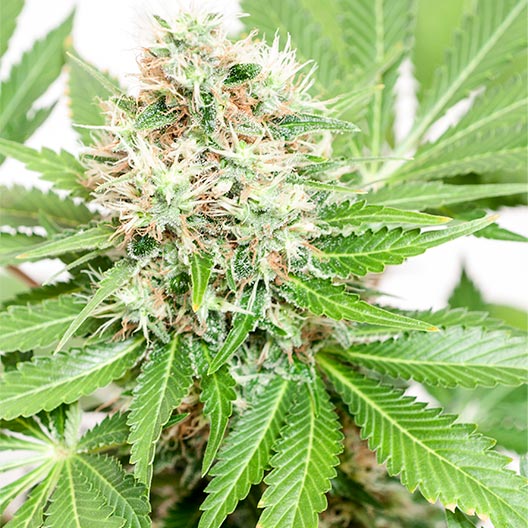
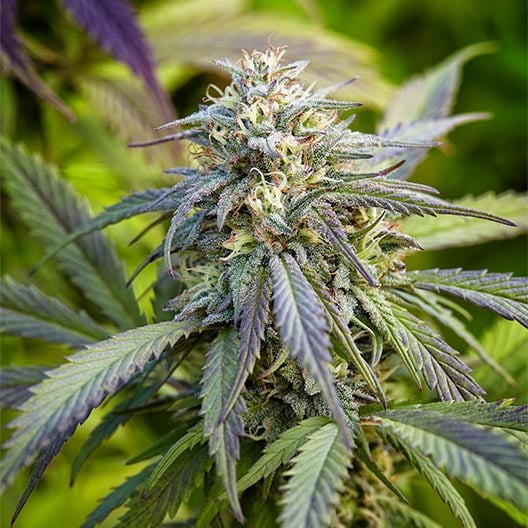
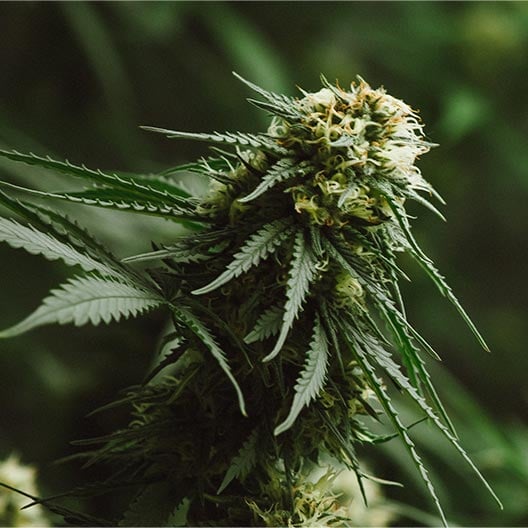
Yeah, marijuana plants definitely smell. If you’ve ever walked past a grow room or even just a single plant in someone’s backyard, you’ve probably noticed that strong, skunky scent. It’s one of the most recognizable things about cannabis.
The smell comes from natural compounds in the plant called terpenes. These are the same kinds of things you’ll find in herbs, pine trees, and citrus fruits. Cannabis just happens to produce them in much higher amounts, especially when the plant is healthy and maturing.
What’s interesting is that the smell isn’t always the same. Some strains give off that classic weed funk that reminds people of skunk or fuel. Others might smell more like lemon, pine, or even sweet berries. The exact scent depends on the strain, how it’s grown, and the stage the plant is in.
So yeah, if you’re growing or spending time around cannabis, expect it to smell. It’s part of the plant’s natural chemistry and one of the first things people notice when they’re around it.

When Do Marijuana Plants Start to Smell?
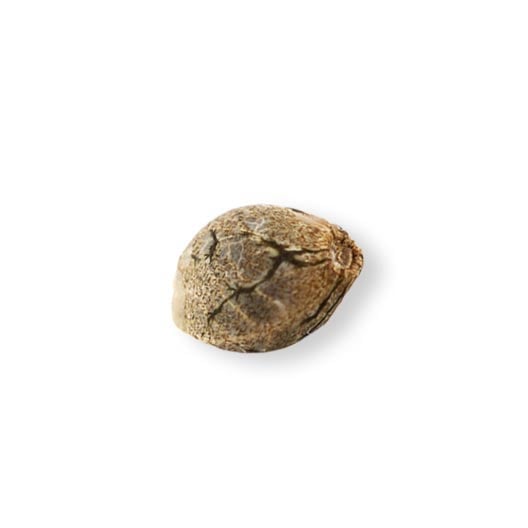
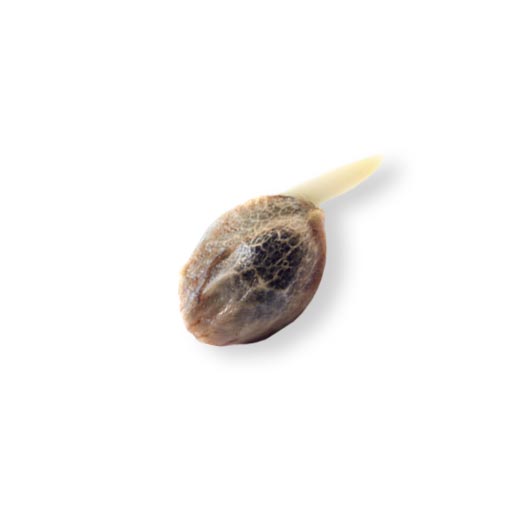
Marijuana plants don’t start smelling right away. If you’re growing from seed, you’ll notice they’re pretty much odorless for the first couple of weeks. The scent really starts to show up once the plant enters the vegetative stage, but it’s still pretty mild at that point. You’d probably have to get up close to notice anything.
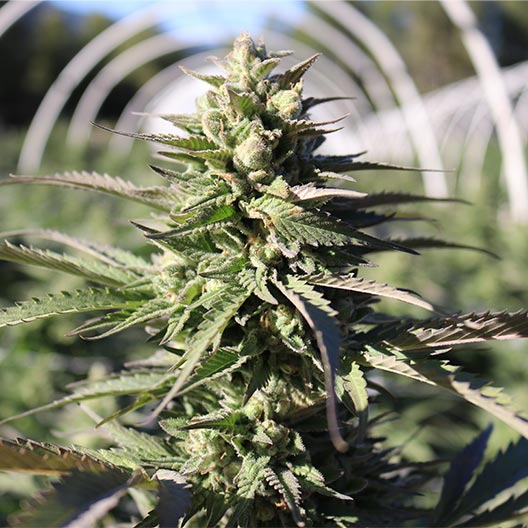
The real smell kicks in during the flowering stage. That’s when the plant shifts its energy into producing buds and, along with that, starts pumping out a lot more terpenes. You might walk into the room one day and suddenly realize it smells like skunk, pine, citrus, or whatever the strain’s profile leans toward.
Indoor grows tend to trap that smell a lot more than outdoor ones, especially in smaller spaces like closets or grow tents. So if you’re growing indoors and not using any kind of odor control, the smell will definitely build up fast during flowering.
In short, marijuana plants start to smell a little during veg but get way more noticeable once they start flowering.
Why Do Cannabis Plants Smell?
Cannabis plants smell the way they do because of something called terpenes. These are aromatic compounds the plant produces naturally, and they’re found in tons of other plants too. Lavender, oranges, pine trees, even basil — they all have their own terpene profiles. In cannabis, though, these compounds show up in really strong concentrations.
Terpenes aren’t just for smell. In nature, they help protect the plant by keeping bugs away or attracting helpful insects. Some people also believe terpenes have effects on the body and mind, but in this context, they’re mainly what makes weed smell the way it does.
Different strains have different terpene combinations, which is why some weed smells earthy and musky while others smell fruity or sour. The mix can include things like myrcene (musky and herbal), limonene (citrusy), pinene (pine), and caryophyllene (peppery). It’s kind of like the plant’s own version of a fingerprint.
So when you catch that strong weed scent, you’re basically smelling a cocktail of natural chemicals the plant is pumping out — and those chemicals vary depending on the strain and how it’s grown.
Top 10 Most Common Marijuana Terpenes
- Myrcene
- Limonene
- Pinene
- Linalool
- Delta-3-Carene
- Eucalyptol
- Beta-Caryophyllene
- Humulene
- Borneol
- Terpineol
Factors That Affect How Strong the Smell Is
Not every marijuana plant smells the same, and not every grow is going to stink up the whole place. A bunch of different factors come into play when it comes to how strong that smell gets.
Strain genetics are a big one. Some strains are naturally louder than others when it comes to smell. Stuff like Sour Diesel or Cheese can fill a room fast. Other strains are more low-key and have a lighter, cleaner scent. It all depends on the terpene profile built into the plant’s DNA.
Then there’s the growth stage. Like we said earlier, plants in the flowering stage are way smellier than they are in veg. That’s when they start pumping out the most terpenes and the scent really takes over.
Growing conditions matter too. Indoor grows tend to trap odors because there’s less airflow. If you’re using a tent, closet, or small grow room without proper ventilation, that smell builds up quick. On the flip side, outdoor grows have more open air, so the scent spreads out and isn’t as concentrated.
Temperature and humidity also play a role. Warmer temps can make the smell more intense, especially when it gets stuffy in a closed space. Humid environments can sometimes trap that smell and make it linger even longer.
The strain, stage of growth, setup, and even the room’s climate all work together to determine how strong your plants are going to smell.

How to Control the Smell of Marijuana Plants
If you’re growing weed and trying to keep things low-key, smell control is going to be a big deal. Once your plants hit the flowering stage, the scent can get real strong real fast, especially indoors. The good news is there are ways to manage it without killing the vibe or drawing attention.
First off, carbon filters are your best friend. They’re usually attached to an exhaust fan and work by pulling air through activated charcoal, which traps all those funky-smelling particles. If you’re growing in a tent or small room, a carbon filter setup is almost a must.
Next up, think about your airflow and ventilation. The more stale the air is, the more the smell hangs around. A solid exhaust system with ducting can help push that air out and keep things moving. If you’re just using fans without any kind of filtration, you’re basically blowing the smell around, not getting rid of it.
There are also things like ozone generators and odor neutralizers, but be careful with those. Ozone can mess with your plants if it’s not used right, and some sprays just mask the smell instead of removing it.
Some growers use sealed grow tents or grow cabinets with built-in filtration. These setups are designed to trap odor and filter it before it escapes. They’re more expensive but way more discreet.
Bottom line, if you want to control the smell, start with a solid carbon filter and make sure your air is moving and filtering out. That combo goes a long way.
-
 Recon Auto$33.65Add to cartAdd to cart
 Select options
This indica-dominant hybrid works serious damage to stress and bad moods. The high is described as euphoric in the head and soothing in the body.
Select options -
 Blackberry Kush Seeds$34.74Add to cartAdd to cart
Select options
Blackberry Kush Seeds$34.74Add to cartAdd to cart
Select optionsBlackberry Kush is a heavy indica hybrid with sweet blackberry flavor and a strong, relaxing body high. Perfect for unwinding, easing stress, and drifting off to sleep.
Select options -
Strawberry Haze Seeds$33.40Add to cartAdd to cart
Select options
Strawberry Haze is a sativa-dominant hybrid that is well-liked for its ability to energize, uplift and relax its users
Select options -
White Durban Seeds$33.89Add to cartAdd to cart
Select options
The Sativa-dominant White Durban strain is known for being a high-energy, cerebrally uplifting cannabis variety. It offers focused mental clarity and creativity, perfect for artists and cannabis fans who want to be more socially involved.
Select options -
Golden Pineapple Seeds$39.99Add to cartAdd to cart
Select options
A tropically delicious and well-balanced hybrid, Golden Pineapple boasts a happy, relaxed, and uplifted physical and cerebral buzz with its 23% THC content. The flavor and aroma are equally sweet.
Select options -
Purple Gelato Seeds$34.38Add to cartAdd to cart
Select options
The slightly Indica-dominant Purple Gelato strain is just as delicious as it sounds. Its joyful cerebral buzz is complemented by its relaxing and calming physical high. Making it a good choice for nighttime tokers.
Select options -
-
Mad Scientist Auto$32.87Add to cartAdd to cart
Select options
Mad Scientist takes much of its genetics from Herijuana, a mostly Indica hybrid that is known for the numbing body high.
Select options -
Zen CBD Seeds$33.65Add to cartAdd to cart
Select options
Need deep relaxation without the hallucinations of THC? Choose Zen marijuana seeds. Featuring an impresive 9% CBD, these mildly fragrant plants will offer the intermediate and master grower a small yield of potent, healing bud.
Select options -
 Shark CBD Seeds$33.38Add to cartAdd to cart
Select options
Shark CBD Seeds$33.38Add to cartAdd to cart
Select optionsWhether to relax at the end of a busy week, CBD Shark marijuana is a pungent and flavorful therapeutic strain that’s durable, sturdy, and perfect for beginners.
Select options -
-10% Yummy CBD Seeds$29.91
$33.23Add to cartAdd to cart
Select optionsThe intensely sweet aroma and high THC content of indica-dominant CBD Yummy marijuana seeds will have expert growers singing this medical strian’s praises.
Select options -
Cookies and Cream Seeds$33.35Add to cartAdd to cart
Select options
Cookies and Cream is a balanced hybrid with up to 26% THC, offering euphoric, creative effects and a calm body buzz. It’s flavorful with sweet, earthy, and creamy notes.
Select options