Why Yield Matters
When you’re growing weed, getting a solid yield isn’t just about bragging rights. It actually tells you a lot about how well you handled the whole process. From the setup to the feeding schedule to the way you trained the plant — it all adds up. More yield usually means you nailed the environment, gave your plant what it needed, and didn’t run into a bunch of grow issues along the way.
Some people grow for fun or just to have their own stash, and others are trying to really dial in their cannabis cultivation for consistent results. Either way, no one’s out here trying to pull a few scraggly grams off a whole plant. You want those big, dense buds. You want the plant to reach its full potential.
There are a lot of things that go into maximizing yield. It’s not just one trick. Light cycles, feeding routines, training techniques, strain selection — even the humidity in your room plays a role. This guide breaks down how to get the best yield from your marijuana plants in a way that actually makes sense if you’re not trying to turn your grow tent into a science lab.
5 High-Yielding Marijuana Strains
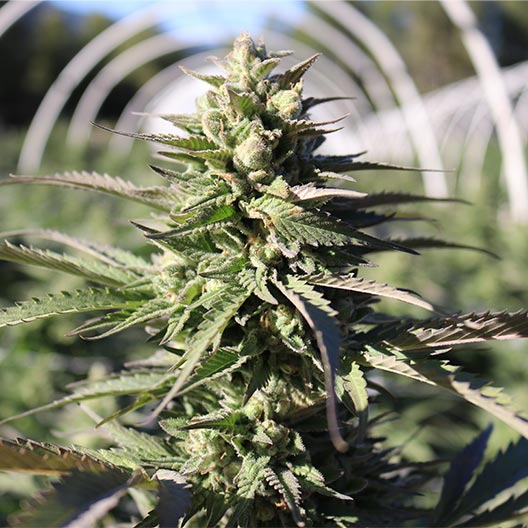
If you’re trying to pull solid weight from your plants, your strain choice actually matters a lot. Some strains just naturally produce more buds, while others focus more on flavor or potency. You could have a perfect setup and still end up with a weak harvest if you’re growing a low-yield strain.
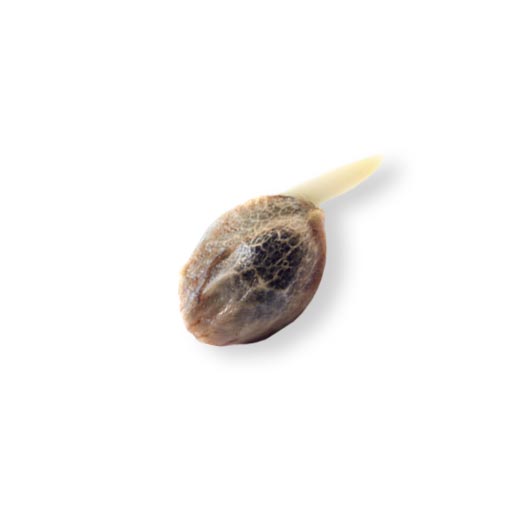
Indicas are usually shorter and bushier, which makes them great for indoor grows. A lot of high-yield strains come from the indica side because they tend to stack fat, dense buds. Sativas grow taller and take longer to flower, but they can stretch like crazy and give you a decent yield if you’ve got the space. Hybrids are somewhere in the middle, and a lot of breeders have made them specifically to get the best of both sides — solid yields and good effects. Also, don’t sleep on genetics. Just because two plants are the same strain doesn’t mean they’ll grow the same. Good seeds from a legit source are way more likely to grow strong, healthy plants that give you the yield you’re after.

Optimize the Grow Environment to Boost Yield
You can have the best strain in the world, but if your grow setup is off, your yield’s gonna suffer. The environment your plants grow in seriously affects how much bud you get, especially during the flowering stage.
Light is the biggest factor. Cannabis needs the right amount of light intensity to produce big buds. For indoor grows, most people go with LED or HID grow lights. Make sure you’re not just blasting them with random light though; the light spectrum actually matters. More blue light helps in the vegetative stage, while red light boosts bud growth during flowering.
Your light cycle also matters. Keep it 18 hours on and 6 off during veg, then switch to 12/12 once you want the plant to start flowering. If you mess with that timing too much, the plant can get confused and stressed, which kills yield.
Next up, think about temperature and humidity. During veg, aim for temps around 70 to 85°F and humidity around 50 to 70 percent. Once you hit flowering, drop the humidity to avoid mold and bud rot — aim for around 40 to 50 percent. Too much moisture when buds are fat is a problem.
If you really want to go advanced, consider CO₂ enrichment. Adding CO₂ into your grow space (especially with sealed rooms and strong lights) can actually boost photosynthesis and help plants grow faster and fatter. Not totally necessary for beginners, but it’s a cool trick once you’ve got the basics locked down.
Good airflow, strong lights, proper temp and humidity, and your plants will thank you with way better yields.
Feeding and Nutrient Management to Boost Yield
If you’re not feeding your plants right, you’re leaving yield on the table — simple as that. Cannabis needs different nutrients depending on where it’s at in the grow cycle. You can’t just toss it the same stuff from seed to harvest and expect fat buds.
During the vegetative stage, your plants want more nitrogen. It helps them grow tall and leafy. That’s what you want early on, since bigger plants = more space for bud sites later. Once they hit the flowering stage, it flips. Now they need more phosphorus and potassium to help with bud development. Keep the nitrogen lower at this point or you’ll end up with leafy buds instead of dense ones.
A solid feeding schedule makes a big difference. Don’t just wing it. Most nutrient brands give you a weekly chart you can follow, but you still have to watch how your plants respond. If you see yellow tips on the leaves, it could be nutrient burn. If growth slows down or leaves start curling, it might be nutrient lockout or a pH issue.
Speaking of pH — that’s another big one. Your plants can only absorb nutrients properly if the pH in your water or soil is dialed in. Aim for around 6.0 to 7.0 for soil and 5.5 to 6.5 for hydroponics. Even if you’re feeding perfectly, the wrong pH can block everything and kill your yield.
Flushing your plants a week or two before harvest helps clean out excess salts and makes for smoother smoke too. And yeah, it can also help with how the buds finish developing.
Bottom line: pay attention to your feeding, check pH often, and adjust based on what your plants are telling you. They’ll give you better buds if you treat them right.
Training Techniques to Boost Yield
If you’re growing weed and not training your plants, you’re missing out on a ton of potential yield. Training helps spread out the canopy, open up bud sites, and let more light hit every part of the plant. More light = more growth = more buds. Simple math.
One of the easiest things you can start with is LST, or low stress training. That’s where you bend the branches and tie them down so your plant grows more sideways than up. It keeps the canopy flat and lets more light reach the lower parts. It’s super beginner-friendly and can seriously help with bigger buds across the whole plant.
If you’re down to get a little more aggressive, there’s HST, or high stress training, which includes stuff like topping and FIMing. With topping, you snip off the main top of the plant during veg, and it splits into two new main colas. FIM is similar but a little less clean — it kinda stunts the top and encourages bushier growth. Both methods help your plant grow wider instead of just tall.
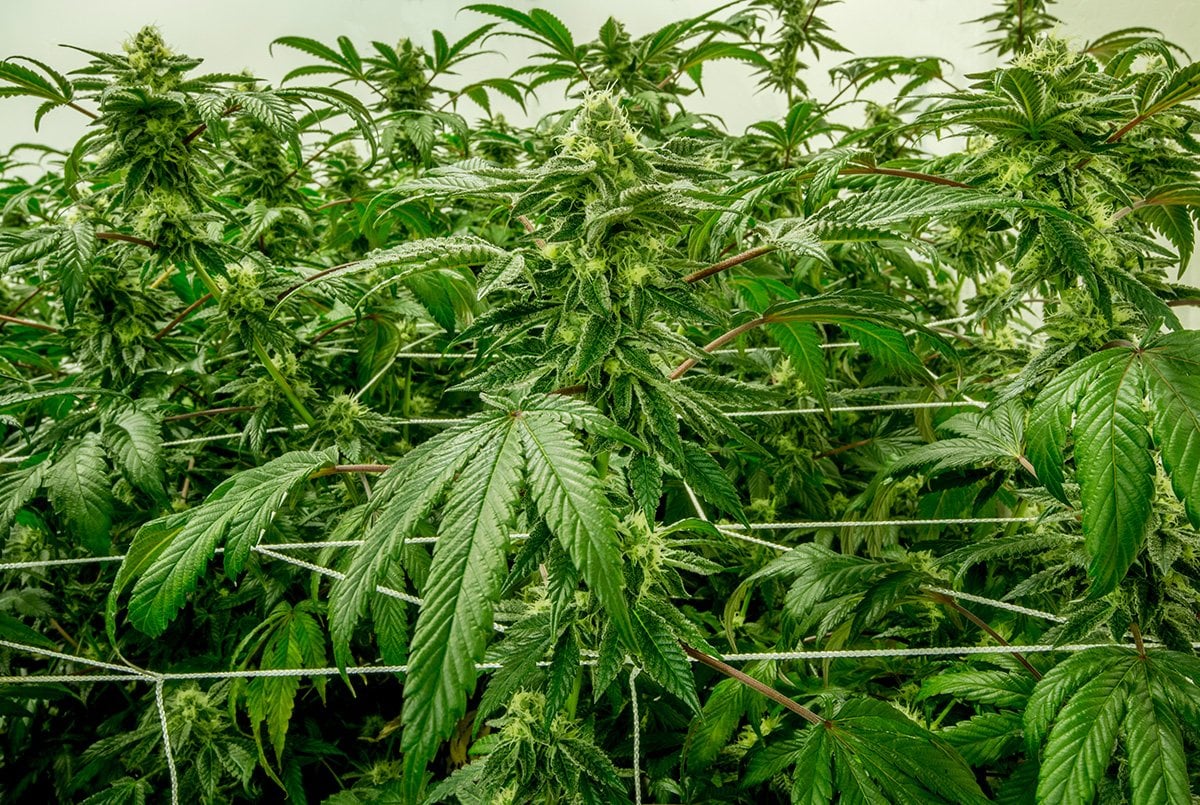
You’ve probably also heard of SCROG (Screen of Green). That’s when you use a net or screen to guide the branches and keep everything even under the lights. It takes a little setup, but it forces all the buds to grow at the same level, which can seriously boost your yield if you do it right.
Defoliation is another move worth learning. It’s just trimming off some of the fan leaves during veg and early flower to help light and air get deeper into the plant. Just don’t go too crazy or you’ll stress it out.
These techniques might sound like extra work, but they make a big difference. You’re not just growing a plant — you’re shaping it to grow the way you want. And when it comes time to harvest, you’ll be glad you took the time to train it right.
Watering Techniques to Boost Yield
Getting your watering right sounds basic, but it’s actually one of the most common ways people mess up their yield. Too much water, too little, watering too often…any of that can screw with your plant’s root system, and if your roots aren’t happy, your buds won’t be either.
One of the first things to lock in is your watering schedule. You don’t need to water every day unless you’re in a really hot or dry setup. It’s better to let the top couple inches of soil dry out before you water again. That helps the roots grow deeper and stronger. Just sticking your finger into the soil works, or get a moisture meter if you want to be fancy.
Overwatering cannabis is super common, especially for new growers. It can lead to root rot, which makes your plant wilt and slows down growth fast. On the flip side, underwatering makes the leaves droop and the soil dry out too much, which also stresses the plant and can hurt your yield.
Drainage is another big deal. If your pots don’t have proper drainage holes or you’re using heavy, compact soil, the water just sits there and drowns the roots. Fabric pots are a solid option because they let your roots breathe and help prevent overwatering by letting extra moisture escape.
Healthy roots need oxygen, so don’t flood the soil constantly. If you’re doing hydroponics, make sure your system has proper oxygenation with air stones or pumps. In soil, you can improve things with perlite or coco coir to keep the mix light and fluffy.
Good root health = better nutrient uptake = bigger, better buds. Keep the watering simple, consistent, and smart, and your plants will reward you later.
Timing the Perfect Harvest
Picking the right time to harvest is one of the most important steps if you’re trying to get the best yield — and not just in weight, but in quality too. Pull your plants too early and you’ll lose out on size and potency. Wait too long and the buds might get overripe or lose their punch.
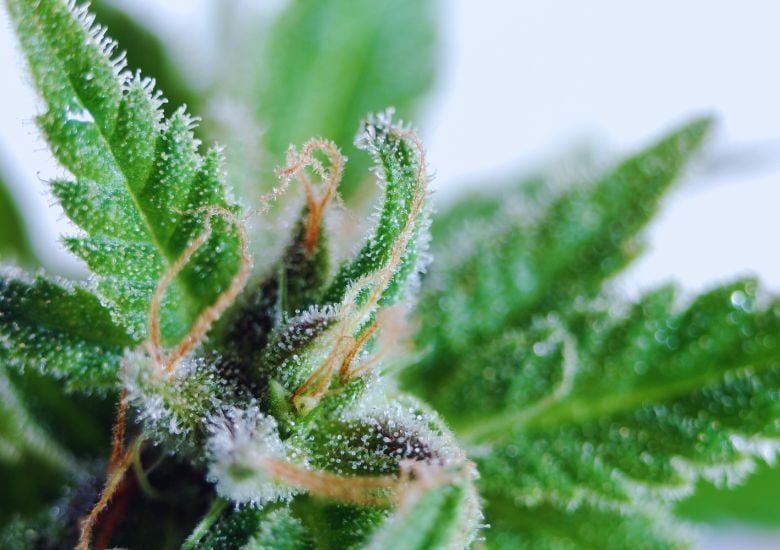
The easiest way to tell if your plant’s ready is by checking the trichomes, those tiny crystal-like things on your buds and leaves. Grab a cheap jeweler’s loupe or a phone macro lens and take a close look. If the trichomes are still clear, it’s too early. When they turn milky or cloudy, that’s peak THC and where you’ll get the strongest high. If they start going amber, the effects will be more relaxing or sleepy.
Pistils — those little hairs on the buds — are also a decent clue. When most of them have darkened and curled in, your plant’s getting close. But don’t just go off pistils alone. Trichomes tell the real story.
Another thing to keep in mind is that different strains have different flowering times. Some finish in 7 to 8 weeks, others take 10 or even longer. That’s why keeping track of time since the flowering stage started helps a ton. If you’re not sure, aim for somewhere between 8 to 10 weeks as a ballpark, but always check the trichomes before chopping.
Rushing the harvest is a common mistake. You might get buds sooner, but they won’t be as big, dense, or potent. Waiting just a few more days can seriously level up your yield and your smoke.
Once you’ve got the timing right, make sure you dry and cure your buds properly. It makes a huge difference in flavor, smoothness, and how long your stash lasts.
-
 Colorado Clementines Seeds$34.02Add to cartAdd to cart
 Select options
Colorado Clementine is an indica-dominant hybrid made from Tangie and Lemon Skunk, with 22 to 24 percent THC. It delivers a relaxing buzz and is best for nighttime use.
Select options -
-18% Grape Cookies Auto$27.39
$33.40Add to cartAdd to cart
Select optionsGrape Cookies Auto provides users with a sedative, Indica-dominant high due to its 20% THC content. The flavor is sweet like berries, while the aroma is herbal and pungent.
Select options -
-18%
 Orange Bud Auto$27.66
$33.73Add to cartAdd to cart
Select optionsOrange Bud gives you an extra pep in your step with feelings of happiness, energy, and creativity. Your room will smell like an orange grove.
Select options -
AK-48 Auto$34.04Add to cartAdd to cart
Select options
AK-48 Auto is a balanced hybrid with uplifting and relaxing effects, perfect for anytime use. It delivers sweet citrus flavor with earthy, skunky undertones and a smooth buzz.
Select options -
 Chronic Seeds$32.85Add to cartAdd to cart
Select options
Chronic Seeds$32.85Add to cartAdd to cart
Select optionsChronic is a legendary cultivar made famous by Dr. Dre with over 30 years of hype. It offers balanced effects, 20% THC, and a chill, euphoric experience.
Select options -
-16% B-52 Auto$28.18
$33.55Add to cartAdd to cart
Select optionsB-52 Auto is a potent indica hybrid with sweet, skunky flavor and a lively, focused high. It balances energetic buzz with mellow body calm—perfect for creative, laid-back vibes.
Select options -
Green Ribbon Auto$33.67Add to cartAdd to cart
Select options
Green Ribbon marijuana doesn’t need a blue to prove its mettle – lifting you up and gently setting you down, its a perfect hybrid with a subtle aroma and beneficial effects.
Select options -
Strawberry Cough Muha Seeds$33.91Add to cartAdd to cart
Select options
The Strawberry Cough strain is a sativa-dominant hybrid with bright, focus-promoting effects. As the same strain featured in ready-to-use faves by Muha Meds, this hybrid can be conveniently grown from the comfort of home. Ideal for morning use, its nimble high brings added enthusiasm to daily tasks. Generous yields and a respectable THC content of 18% round out its profile, helping solidify Strawberry Cough Muha seeds as a go-to choice for many cannabis enthusiasts.
- 18% THC levels
- 80% sativa 20% indica
- Energizing, mood-boosting, motivating
- Total time from seed to harvest: 55-65 days
- Growing experience level: Beginner
Select options -
Cherry Kush Auto$34.45Add to cartAdd to cart
Select options
Cherry Kush Auto is celebrated for its soothing, euphoric effects, making it a go-to pick for cannabis fans who prefer a balanced, flavorful smoke. Its THC levels of up to 17% make for a euphoric high that is pronounced, yet is still relatively moderate compared to powerhouse picks like Bear Dance Auto. Imbued with ruderalis lineage, this strain is tough, resilient, and low-maintenance, making it the perfect pick for newbie growers.
- Up to 17% THC levels
- 70% Indica, 20% Sativa, 10% Ruderalis
- Happy, relaxed, and uplifted effects
- Total time from flowering stage to harvest: 55-65 days
- Growing experience level: Beginner
Select options -
Cherry OG Auto$33.56Add to cartAdd to cart
Select options
The Cherry OG Auto strain is known for its pop of cherry flavor and easy-to-grow nature. As such, it tends to draw in flavor-chasing growers, or many cannabis cultivators who love a mood-lifting high. This hybrid’s THC levels can reach up to 20%, making for a psychoactive strain that provides strength and flavor in one compact package. Factor in its low-maintenance autoflowering traits, and it’s easy to see why Cherry OG Auto seeds appeal to newer growers and seasoned cultivators alike.
- THC levels up to 20%
- 50% Sativa, 40% Indica, 10% Ruderalis
- Relaxed, euphoric, and focused
- Total time from flowering stage to harvest: 60-70 days
- Growing experience level: Beginner
Select options -
Power Kush Seeds$46.00Add to cartAdd to cart
Select options
Kiss stress goodbye and creative euphoria hello with easily-grown Power Kush, developed carefully to bring you peace, clarity, and relaxed focus.
Select options -
Jack Herer Seeds$49.88Add to cartAdd to cart
Select options
Jack Herer is a mood-enhancing strain that provides a clear-headed high, inspiring creativity and productivity. This happy high strain will uplift your mood to take the day on with much-needed energy and mental clarity.
Select options


![shop premium feminized [Orange Bud Autoflowering Seeds] [Mendocino Farms]](https://www.pacificseedbank.com/wp-content/uploads/2019/02/Wholesale-Orange-Bud-Autoflowering-Marijuana-Seeds-1.jpg)